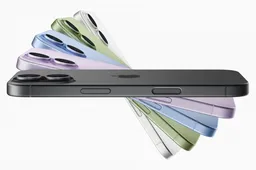
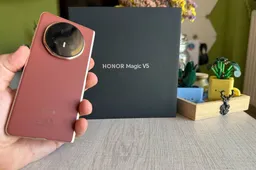
Apple Still Leads, But Xiaomi Surges in Premium Market
Xiaomi NewsWednesday, 10 September 2025 at 10:26
The premium smartphone market is changing fast in 2025. Phones above $600 grew by 8% worldwide. Xiaomi, however, did far more. According to CounterPoint Research, its premium sales jumped by 55% year on year.

This kind of growth shows that Xiaomi’s long push to move upscale is finally working. The Xiaomi 15 series has been well received. Its expanding ecosystem, from wearables to electric cars, keeps customers tied to the brand. And at the center of it all is HyperOS, a system that links devices together in one smooth experience.
A Market in Transition
Consumers used to chase specs: faster chips, sharper screens, better cameras. Now the story is different. Buyers want a whole package that works across devices. If your phone talks to your car, TV, or smartwatch without effort, that’s value.
This shift helps companies like Xiaomi and Google. They are building ecosystems that make switching less painful. Loyalty no longer belongs only to Apple or Samsung.
Apple Still Rules, But Faces Pressure
Apple continues to lead the premium tier. It holds a 62% market share and even grew sales by 3% this year. Yet the picture is more complex in China. There, Xiaomi’s rise is cutting into Apple’s base. Chinese buyers see Xiaomi as offering solid design, strong features, and better local value.
Xiaomi’s Big Advantage: Ecosystem
Xiaomi’s success is not only about smartphones. Its “premiumization” effort stretches across many products. Smart home gear, EVs, wearables—they all tie back to the phone.

The result is what analysts call a halo effect. Once you buy one Xiaomi device, you are more likely to add another. Even software plays a role. Apps like the MemeOS Enhancer on Google Play allow users to tweak system apps and unlock features. This adds to the feeling of a living, connected ecosystem.
Rivals Keep Moving Too
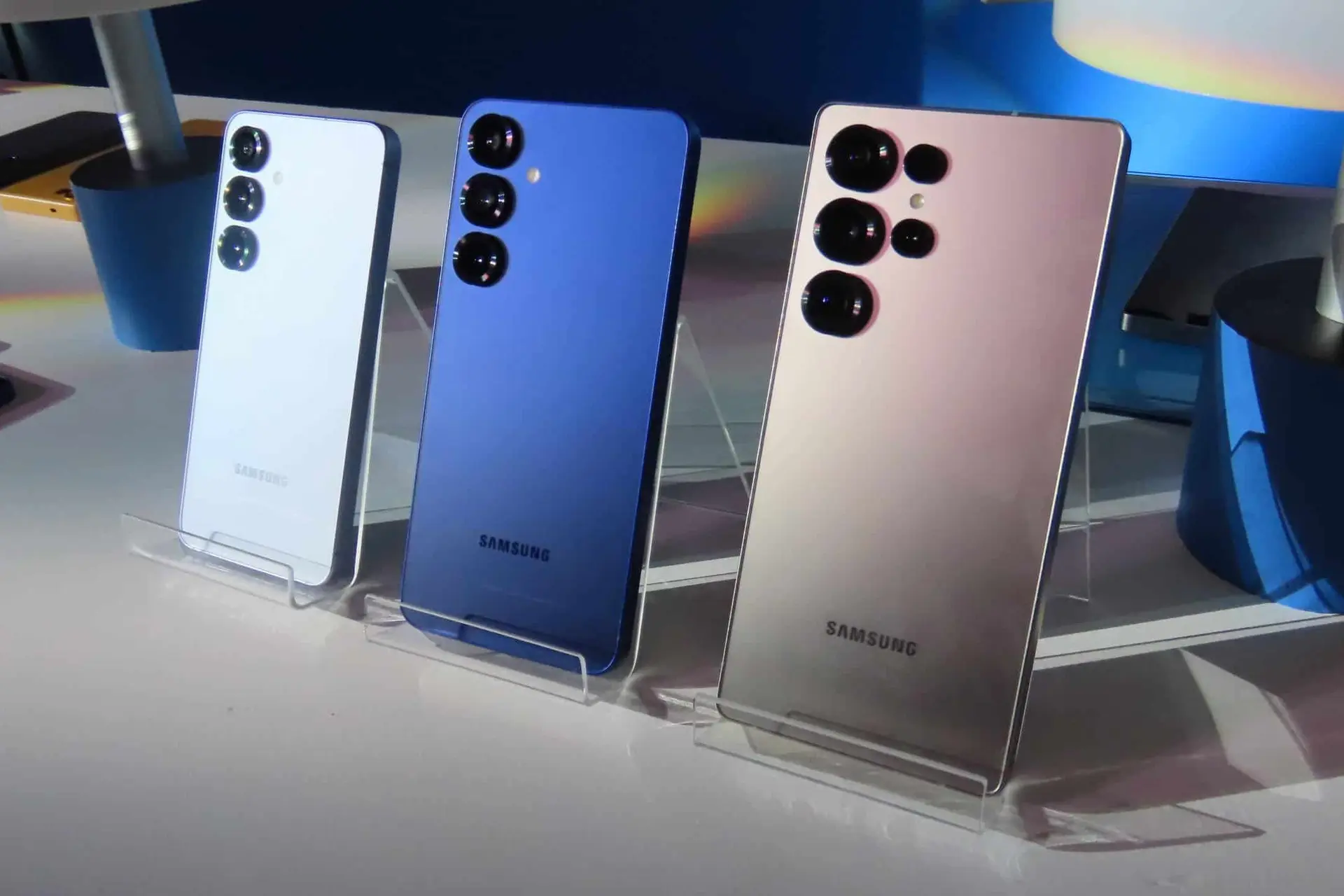
Huawei is staging a comeback. Its high-end sales rose 24% thanks to loyal fans and fresh models. Samsung posted a 7% gain, driven by the Galaxy S25 series.
But the surprise story comes from Google. Pixel sales more than doubled, up 105% year on year. The Pixel 9’s AI tools and clean Android experience clearly struck a chord. For the first time in years, Google is back in the global top five premium brands.
The premium smartphone market is growing, but not evenly. Apple is still number one. Yet Xiaomi’s 55% surge shows that the field is shifting. With its blend of flagship phones, EVs, and HyperOS-driven connectivity, Xiaomi is no longer chasing the leaders. It’s becoming one of them.
Popular News
Latest News
Loading