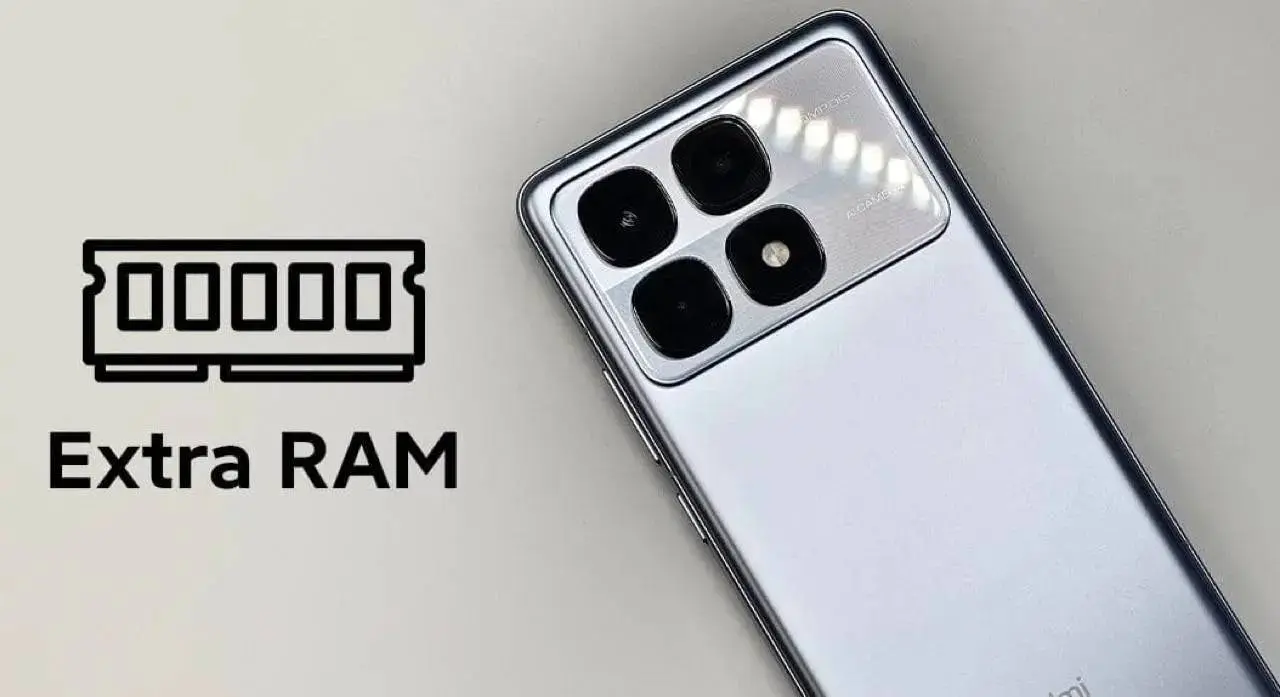
Xiaomi’s Memory Extension feature—often called Extra RAM—sounds like a magic bullet for speed, right? It promises to borrow space from your phone's storage (UFS) and turn it into virtual memory (3GB, 5GB, or 8GB).1 The short answer is: Yes, it works, but only if you have a budget phone.

Understanding the Speed Difference
To understand why this feature is limited, you need to know the difference between the two types of RAM:
- Physical RAM: This is super-fast. It holds the data for the apps you are actively using (Chrome, Instagram, your game).
- Virtual RAM (Memory Extension): This is slower. It’s just a piece of your regular storage that the phone is borrowing.
The Trick: Better Multitasking, Not Faster Speeds
When your phone runs out of fast, physical RAM, the system needs to do something with the background apps. Instead of completely closing less active apps (which makes them slow to relaunch), Xiaomi moves them to this slower Virtual RAM.
- The Benefit: When you switch back to Instagram from a game, the app opens much quicker than if the phone had to launch it from scratch. It cuts down on relaunch time.
- The Limit: It is never as fast as if the app stayed in the physical, fast RAM.

Is It Useful for Your Phone?
This is where the feature truly shines or totally flops.
| Your Phone's RAM | Effect of Memory Extension | Why It Matters |
| 4GB or 6GB RAM (Budget/Mid-Range) | Very Useful | Your phone runs out of physical RAM often. This feature stops apps from closing entirely, making multitasking smoother. Great for Redmi Note and POCO mid-rangers. |
| 8GB or 12GB+ RAM (High-End/Flagship) | Minimal Benefit | Your device rarely, if ever, uses its full physical RAM. The extra virtual space provides no noticeable improvement in daily use. |
What It Absolutely Does NOT Do
It's vital to know its limitations so you don't get the wrong idea:
- No Gaming Boost: Games rely on the fast, physical RAM and the GPU. Virtual RAM has zero effect on frame rates (FPS) or game performance.
- Minor Storage Wear: Since the phone is constantly reading and writing data to this virtual space, it technically adds tiny wear and tear to your phone's internal storage (UFS) over years of use. It's usually negligible, but it's happening.

Final Verdict
Xiaomi’s Extra RAM is a clever optimization tool. It’s a huge help for cheaper devices struggling with multitasking. But if you own a high-end model—like a Xiaomi 17 or POCO F8 Pro—you can probably switch the feature off and not even notice a difference.
Popular News


Latest News
Loading