Xiaomi Vision Gran Turismo Concept Supercar Set for Domestic Debut at 2026 Beijing Auto Show
Xiaomi NewsWednesday, 22 April 2026 at 01:15
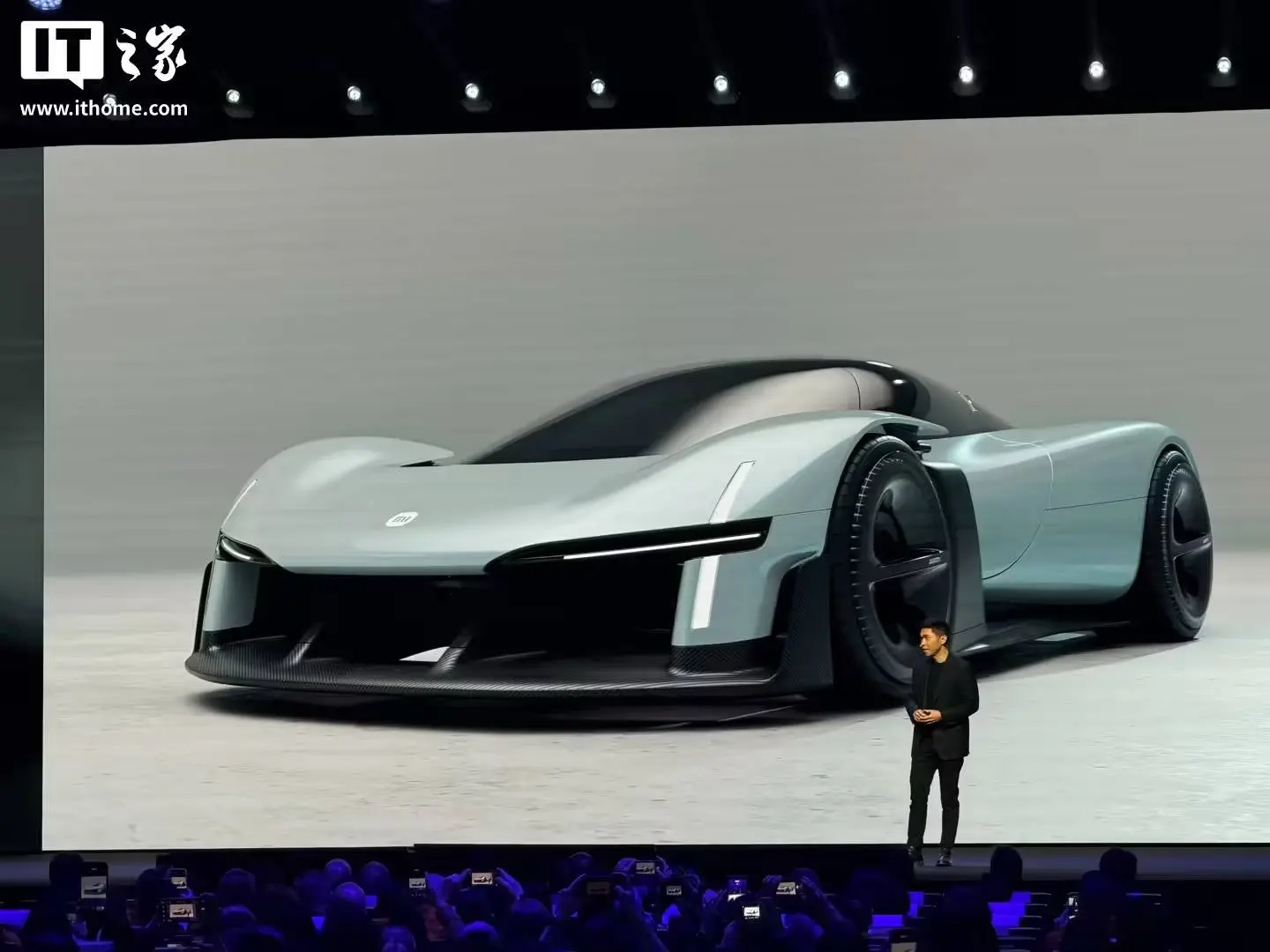
Xiaomi's Vision Gran Turismo concept is heading to the 2026 Beijing International Auto Show for its domestic China premiere. The car first appeared at MWC 2026 in Barcelona on February 28 — now Chinese audiences get to see it in person for the first time.
It's not just a design exercise. This is a 1,900hp electric hypercar built on a 900V silicon carbide platform. And it's eventually coming to Gran Turismo 7.

Key Points
- Xiaomi Vision Gran Turismo makes its domestic China debut at the 2026 Beijing Auto Show — the car had its global premiere at MWC Barcelona on February 28
- Xiaomi is the 36th brand and first Chinese company ever invited to the Vision Gran Turismo project, which has previously featured Ferrari, Porsche, and Mercedes-Benz
- Specs confirmed at MWC: 1,900hp, 900V SiC platform, 0.29 drag coefficient, -1.2 downforce, aerodynamic efficiency rating of 4.1
- Magnetically fixed Accretion Rims stay stationary while the car moves to reduce drag — "Sofa Racer" interior merges seats, dashboard, and door panels into a single ring structure
- The concept will be playable in Gran Turismo 7 — it won't go into production

The Design Story: Sculpted by the Wind
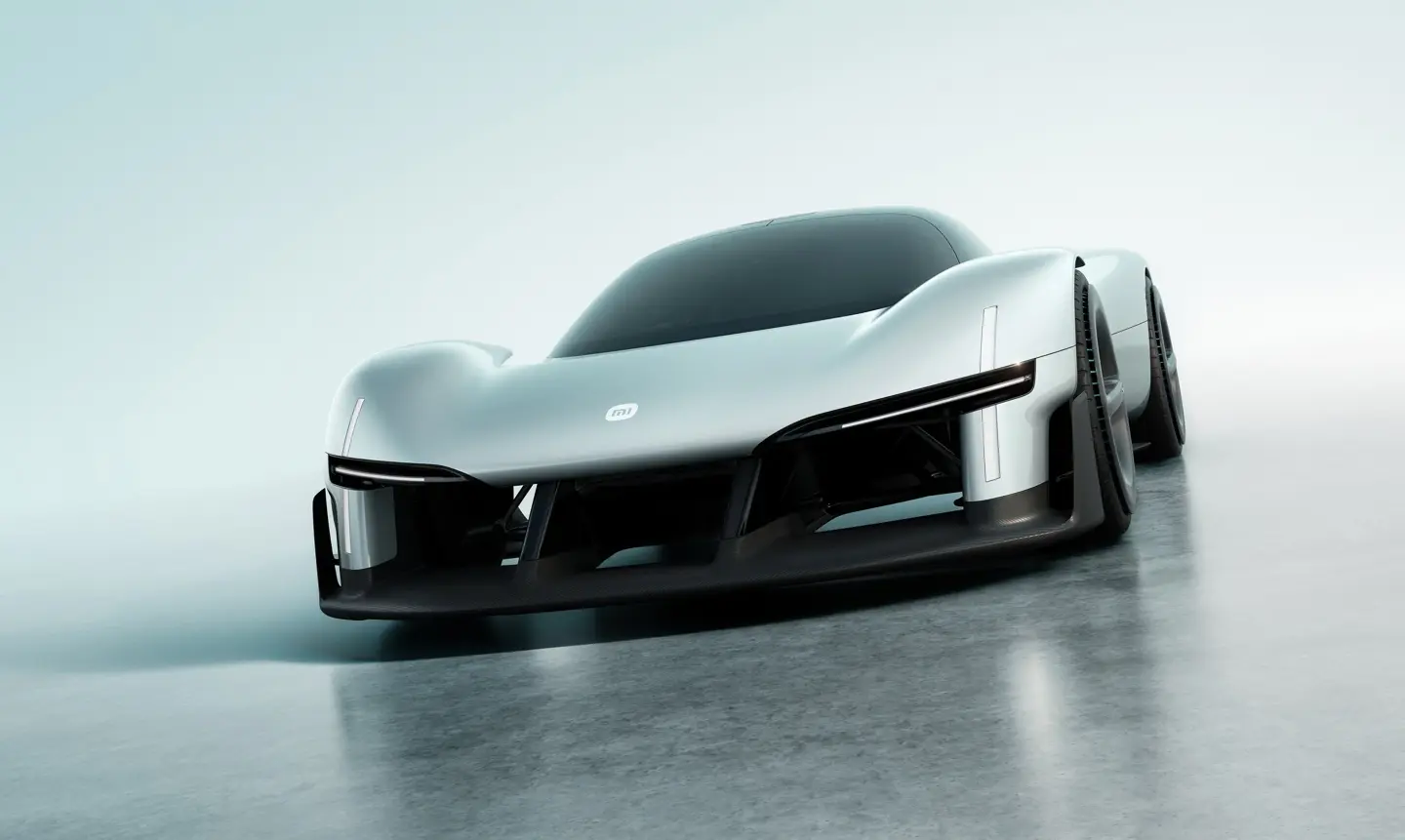
Most hypercars choose between low drag for straight-line speed and high downforce for cornering. Xiaomi's design team — working across studios in Munich, Beijing, and Shanghai — rejected that trade-off entirely. Their "Sculpted by the Wind" philosophy treats aerodynamics as a design principle rather than a compromise, achieving a 0.29 drag coefficient alongside meaningful downforce in the same body.
The result is a low-slung teardrop silhouette where the cockpit bubble is the only disruption to an otherwise continuous aerodynamic form. A shark-fin roofline adds high-speed stability. Carbon-ceramic brakes and center-lock wheels handle the stopping and control demands of 1,900 horsepower.

The Accretion Rims are a genuine engineering detail worth noting — magnetically attached wheel covers that remain stationary while the wheels rotate, cutting aerodynamic drag at speed. It's a solution borrowed from aerospace thinking applied to automotive design.
Inside: The Sofa Racer Cabin
The interior concept is called "Sofa Racer" — an unusual name that describes an unusual philosophy. Rather than the traditional aggressive bucket seat layout of a hypercar, the dashboard, door panels, and seats merge into a single continuous ring that wraps around the driver. Natural 3D-knitted fabric, borrowed from sportswear manufacturing, creates a breathable, supportive surface throughout.
The Xiaomi Pulse AI system sits at the center of the driving experience — a 360-degree smart assistant that reads the driver's status and the surrounding environment, communicating through light and sound. It connects to Xiaomi's Human x Car x Home ecosystem, meaning the car knows who you are before you're inside it.
Why the Beijing Show Matters
Gran Turismo Producer Kazunori Yamauchi called the concept "a role model for this era" — specifically praising Xiaomi's resolution of the drag-versus-downforce contradiction that defines hypercar design. Getting that kind of recognition from one of motorsport's most respected voices puts Xiaomi in credible company.
The Beijing Auto Show gives Chinese consumers their first physical encounter with a concept that put Xiaomi alongside Ferrari and Porsche in one of gaming's most prestigious design programs. That's a statement about where the brand is heading — in China and eventually in Europe, where Xiaomi has confirmed it plans to begin car sales in 2027.
Popular News



Latest News
Loading