Leaked iPhone Foldable Case Reveals Potential Design and Dimensions
AppleWednesday, 22 April 2026 at 00:12

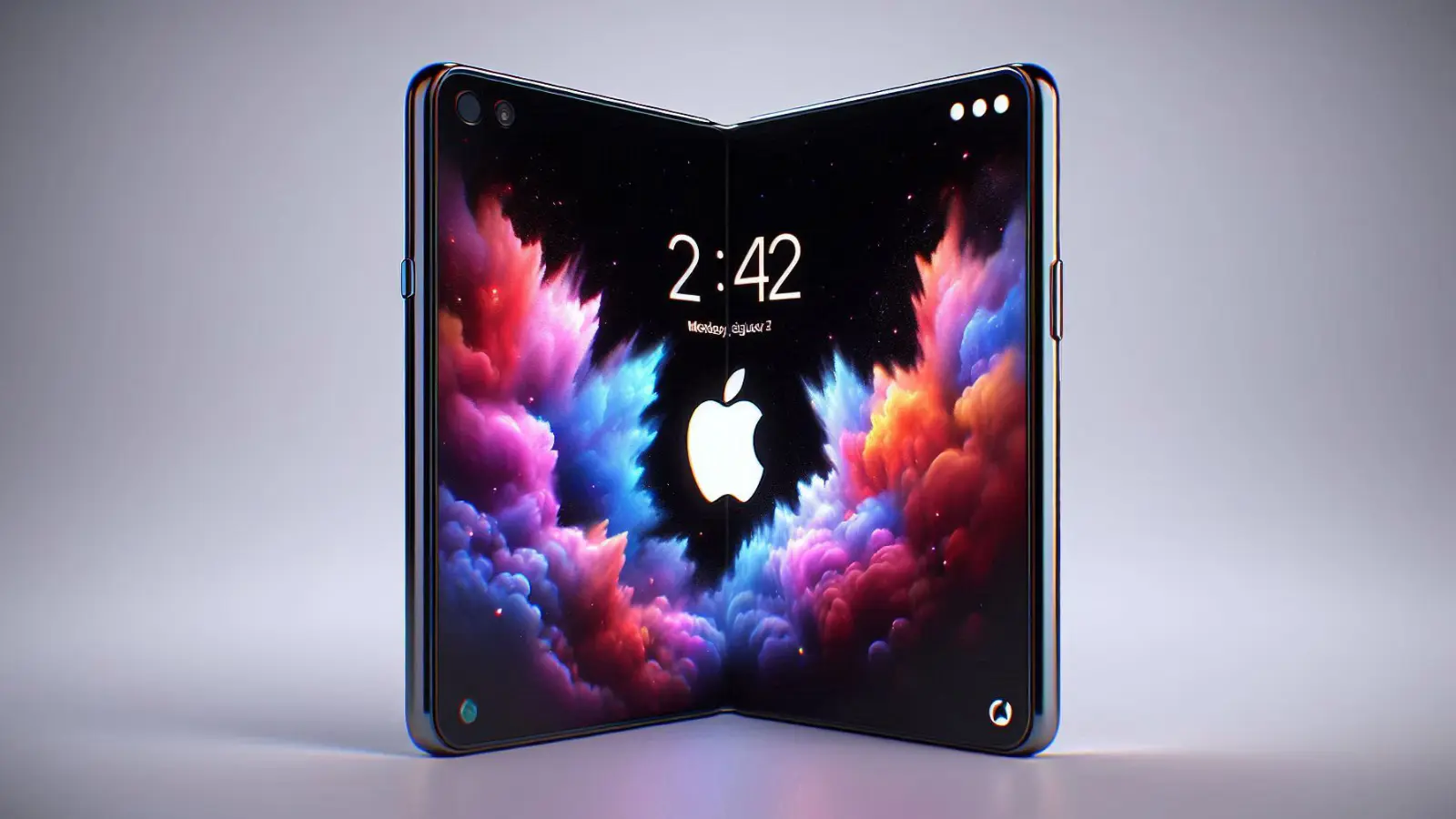
Cases for Apple's first foldable iPhone surfaced on X, shared by leaker Majin Bu. They confirm what dummy unit leaks have been pointing to for weeks: the iPhone Fold is unusually wide. When folded, it's closer to square than any other book-style foldable on the market. When open, it's essentially a 7.8-inch tablet.

There's also something unexpected hiding in the cases themselves.
Key Points
- Case leaks from leaker Majin Bu confirm a wide book-style foldable design — shorter and wider than Samsung Galaxy Z Fold or Google Pixel Fold when closed
- 5.5-inch outer display and 7.8-inch inner display confirmed across multiple sources — near-creaseless hinge technology expected
- Dummy units show no internal MagSafe magnets — but all leaked cases include built-in MagSafe rings, suggesting Apple may have offloaded the function to the case to hit 4.5mm thickness
- Dual 48MP camera bar runs horizontally across the top-right of the rear panel — similar aesthetic to iPhone Air but doesn't span the full width
- Launch expected alongside iPhone 18 Pro in September 2026 — shipping could slip to December — pricing widely expected above $2,000

The Shape Is the Story
Most book-style foldables are tall and narrow when closed — optimized for one-handed use. The iPhone Fold is going the other direction. Physical dummy units from leaker Sonny Dickson, viewed over 670,000 times on X, show a device that looks squat and wide — much closer to a passport than a traditional phone silhouette.
Open it up and that wide format becomes genuinely tablet-like. A 7.8-inch inner display with near-creaseless technology is the payoff for that unusual closed proportions. The wider aspect ratio is already being praised by analysts as well-suited for split-screen multitasking, video viewing, and apps like Final Cut Pro or Keynote.

The MagSafe Problem
Here's the interesting part. Dummy units of the iPhone Fold consistently show no MagSafe magnet array inside the device. Yet every leaked case for the phone includes integrated MagSafe magnets. That's not a coincidence — it suggests Apple may have made a deliberate choice to remove the internal magnets to achieve the 4.5mm unfolded thickness the company is reportedly targeting.

Four and a half millimeters would make the iPhone Fold thinner than the iPhone Air's 5.6mm when unfolded — and competitive with the Galaxy Z Fold 7's 4.2mm. Getting there requires removing anything non-essential. The trade-off: MagSafe functionality requires keeping a case on. For a product already expected to cost above $2,000, that's a notable concession.
Hardware and Launch Window
Touch ID via the power button replaces Face ID — a design constraint from the foldable form factor. The A20 Pro on a 2nm process powers the device. A horizontal dual 48MP camera bar sits at the top right of the rear — described as similar to the iPhone Air's arrangement but not spanning the full width. Color options reportedly include white with one other yet unconfirmed.
September announcement alongside iPhone 18 Pro is the primary target. December shipping is the backup if manufacturing complexity causes delays. Either way, 2026 is Apple's confirmed entry point into foldables.
Popular News


Latest News
Loading