Xiaomi 17T Pro quietly surfaces — a faster release cycle takes shape
XiaomiSunday, 05 October 2025 at 20:17
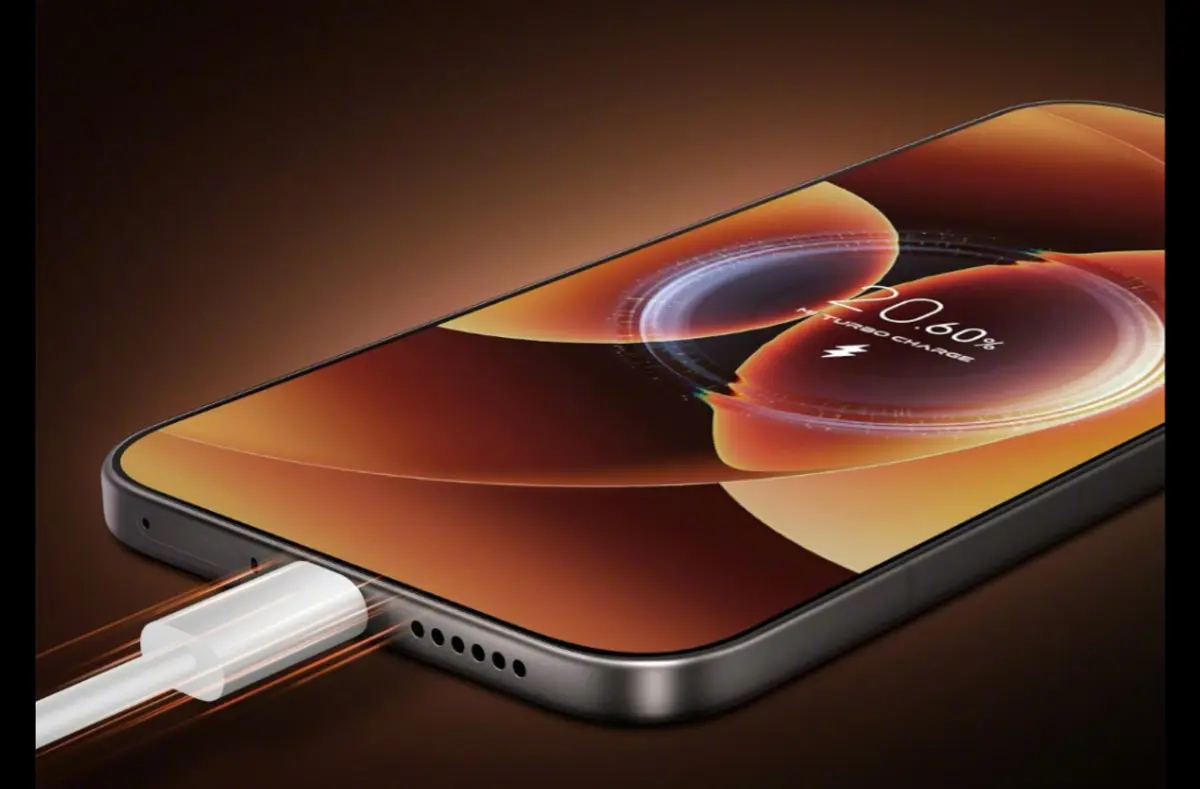
It looks like Xiaomi’s next performance phone, the 17T Pro, isn’t far off. Recent certification records show the model numbers 2602EPTC0G and 2602EPTC0R, clear signs that the company is already moving the device through its approval stages. The listing arrived only days after the regular Xiaomi 17T appeared on the GSMA database, which all but confirms that both versions are well on their way.
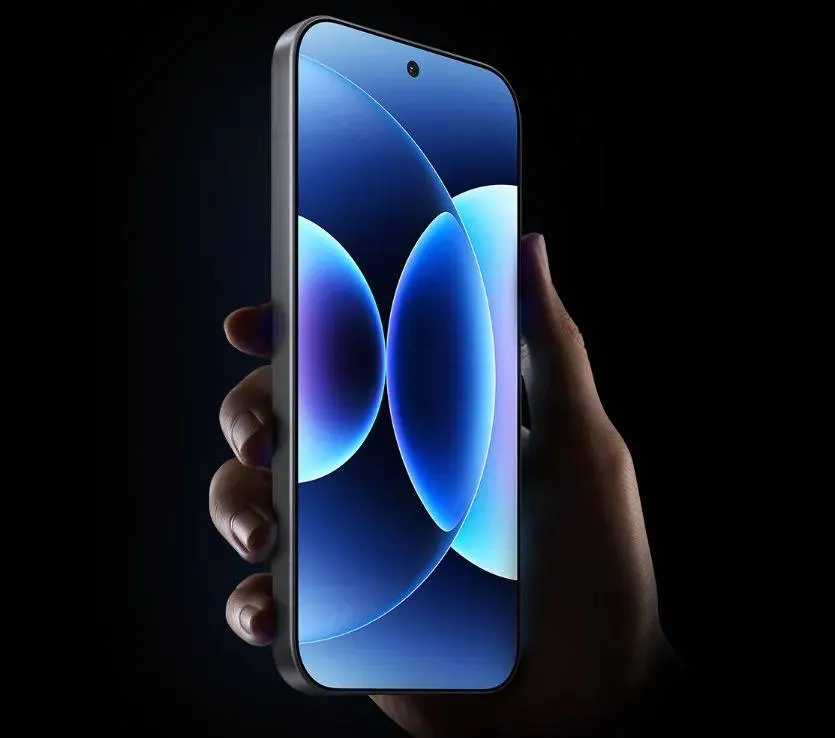
The pace of these updates suggests something bigger than a routine refresh. Xiaomi may be rewriting its own schedule. For years, the brand’s T-series devices landed around October, usually serving as the global counterparts to the Redmi K Ultra phones sold in China. This time, however, things are unfolding much sooner. The 15T range only went on sale on September 24, 2025, yet its successor is already turning up in paperwork. By skipping a “16” generation altogether, Xiaomi seems intent on tightening its product cycle and staying visible as the new year begins.
Reading the model codes
Those numbers aren’t random. The “2602” prefix often links to Xiaomi’s internal calendar, hinting that the 17T Pro could debut in February 2026. If so, it would mark a significant break from tradition, pulling the T-series from its autumn slot to the front of the year. Such timing would also place it neatly ahead of Mobile World Congress (MWC)—a perfect stage for global exposure.
Key Points
- Xiaomi 17T Pro appears in certification records (model 2602EPTC0G / 0R)
- The T-series launch window may shift from autumn to February 2026
- Internal codenames “chagall” and “warhol” hint at two distinct models
- Expected chipsets: Dimensity 8500 (base) vs. Dimensity 9500 (Pro)
- Strategic benefits: independence from China releases, early competition, sustained momentum
Two codenames, two identities
Every Xiaomi project carries its own internal tag, and this generation goes by “chagall” and “warhol.” No one outside the company knows yet which label belongs to which phone, but the twin names confirm two distinct builds.

Under the hood, early chatter points to the MediaTek Dimensity 8500 for the standard model and the beefier Dimensity 9500 for the Pro. Both are expected to run on HyperOS, the company’s latest interface designed to streamline multitasking and heavy-duty gaming.
Why the shift matters
Moving the launch window could give Xiaomi several advantages. Releasing earlier means:
- Meeting rival flagships head-on in the first quarter
- Loosening dependence on China’s Redmi lineup and its own launch cycle
- Keeping brand momentum high with shorter gaps between major releases
If this strategy sticks, Xiaomi could start 2026 with a splash. The 17T Pro, with its upgraded silicon and polished software, might set the tone for how aggressively the brand plans to compete in the coming year.
Popular News



Latest News
Loading