Is Your Xiaomi Phone Safe? The Consequences of Losing Official Support
xiaomi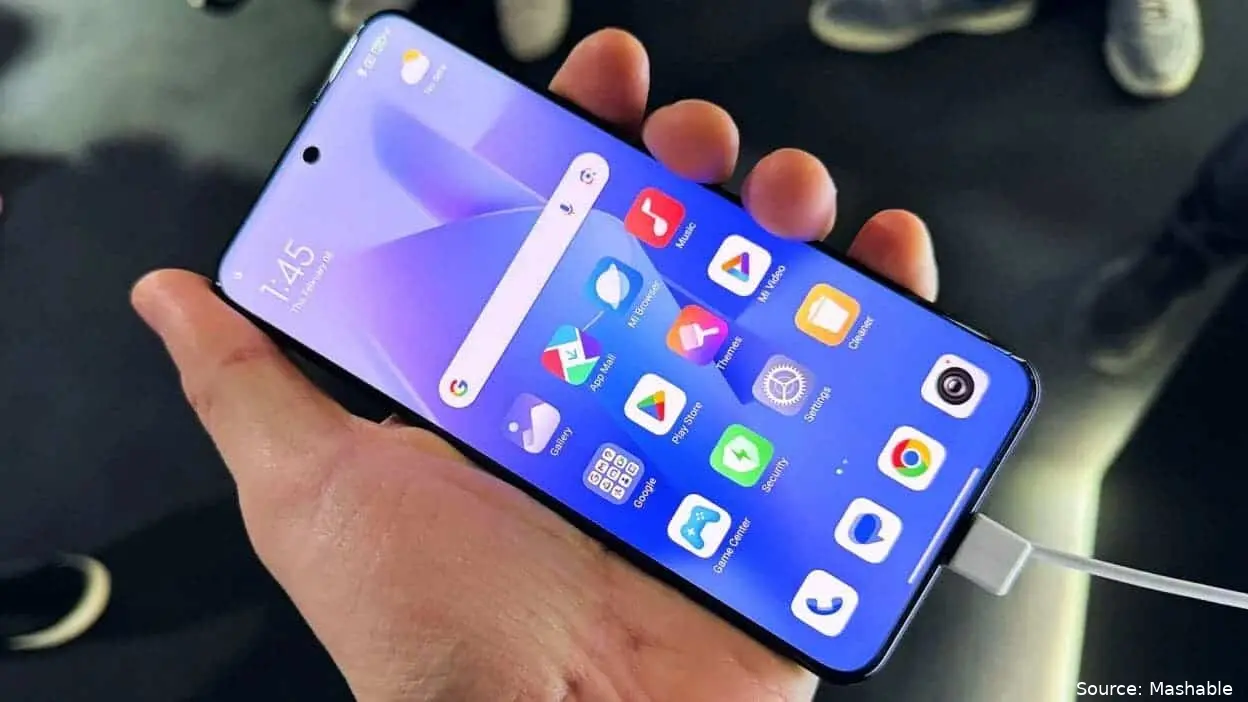
The Importance of Official Support: How It Keeps Your Xiaomi Phone Safe and Updated

Understanding the Risks of Losing Official Support
Security: Software updates often encompass critical security patches that address vulnerabilities discovered in the operating system and applications. These vulnerabilities can be exploited by malicious actors to gain unauthorized access to your device, steal personal data, or introduce malware. Without these updates, your phone becomes increasingly susceptible to such attacks, putting your sensitive information at risk.
Functionality: Manufacturers frequently introduce new features and functionalities through software updates. These updates can enhance the user experience by improving performance, adding new features, or refining existing ones. Additionally, updates can address bugs and glitches that may be hindering the overall performance of your device. Once official support ceases, you'll no longer have access to these advancements. Potentially limiting your phone's capabilities and hindering its ability to perform optimally.
Checking for Official Support on Your Xiaomi Phone
- Visit the Xiaomi Security Center website.
- Navigate to the section dedicated to update information. This section may vary depending on the website's layout. Look for keywords such as "update status" or "end-of-life updates."
- Search for your specific Xiaomi, Redmi, or POCO phone model on the list.
The Importance of Regular Updates for Continued Security and Functionality
Enhanced Security: Regular updates include crucial security patches that address newly discovered vulnerabilities in the Android operating system and pre-installed applications. These patches are vital for maintaining a robust defense against cyberattacks and protecting your personal data.
Improved Performance: Updates often introduce optimizations that enhance the overall performance of your phone. This can manifest in faster processing speeds, smoother app functionality, and a more responsive user experience.
New Features and Functionalities: Xiaomi frequently introduces new features and functionalities through software updates. These enhancements can range from innovative camera capabilities and improved multitasking options to refined user interface elements and system-wide optimizations.
Bug Fixes: Updates often address reported bugs and glitches that may be hindering the performance of your phone. By installing updates, you ensure a smoother and more stable user experience.

Extending the Functionality of Your Phone Beyond Official Support
Custom ROMs: The Android community is known for its vibrant development scene. Skilled developers create custom ROMs, which are alternative operating systems built upon the Android Open Source Project (AOSP). These custom ROMs can breathe new life into older devices by providing them with updated versions of Android, access to new features, and potentially improved performance. However, installing custom ROMs can be a complex process and may void your warranty. It's crucial to conduct thorough research and ensure compatibility with your specific phone model before proceeding.
Third-Party App Updates: Even if your phone no longer receives official updates from Xiaomi, individual app developers may continue to provide updates for their applications. It's essential to maintain an eye on app updates within the Google Play Store.
Considerations Before Moving Beyond Official Support
Increased Security Risks: Custom ROMs, while offering updated features, often lack the rigorous security testing procedures employed by major manufacturers like Xiaomi. This can introduce vulnerabilities and expose your device to potential security threats.
Potential Instability: Installing custom ROMs can be a complex process, and even minor errors during the installation can result in an unstable phone with unpredictable behavior. This instability can manifest as app crashes, system freezes, or even complete system failure.
Warranty Voiding: Installing custom ROMs typically voids your phone's warranty. This means that if you encounter any hardware issues after installing a custom ROM, you won't be eligible for free repairs or replacements from the manufacturer.
Loss of Features: Not all custom ROMs are created equal. Some may lack specific features or functionalities that were present in the official Xiaomi software. It's essential to research the specific ROM you're considering to ensure it aligns with your needs.
Technical Expertise Required: The process of installing custom ROMs often requires a certain degree of technical expertise. If you're not comfortable with flashing ROMs and navigating technical forums, it may be best to stick with the official software offered by Xiaomi.
Alternatives for Extending Functionality:
Utilize Third-Party App Stores: Explore alternative app stores like F-Droid, which offer open-source applications that may provide features or functionalities not available on the Google Play Store.
Invest in Peripherals: Consider using external peripherals such as power banks, wireless chargers, or additional storage devices to enhance your phone's capabilities and user experience.
Explore Lite Versions of Apps: Many popular apps offer "lite" versions designed for older devices with limited hardware resources. These lite versions may offer a stripped-down but functional user experience with minimal resource consumption.
Embrace Cloud-Based Solutions: Cloud-based storage services and applications can alleviate the pressure on your phone's internal storage while providing access to data and functionality from anywhere with an internet connection.
Conclusion: Balancing Security With Functionality




Loading