Elon Musk Says AI Will Surpass Human Intelligence Within Three Years
aiFriday, 27 March 2026 at 10:58
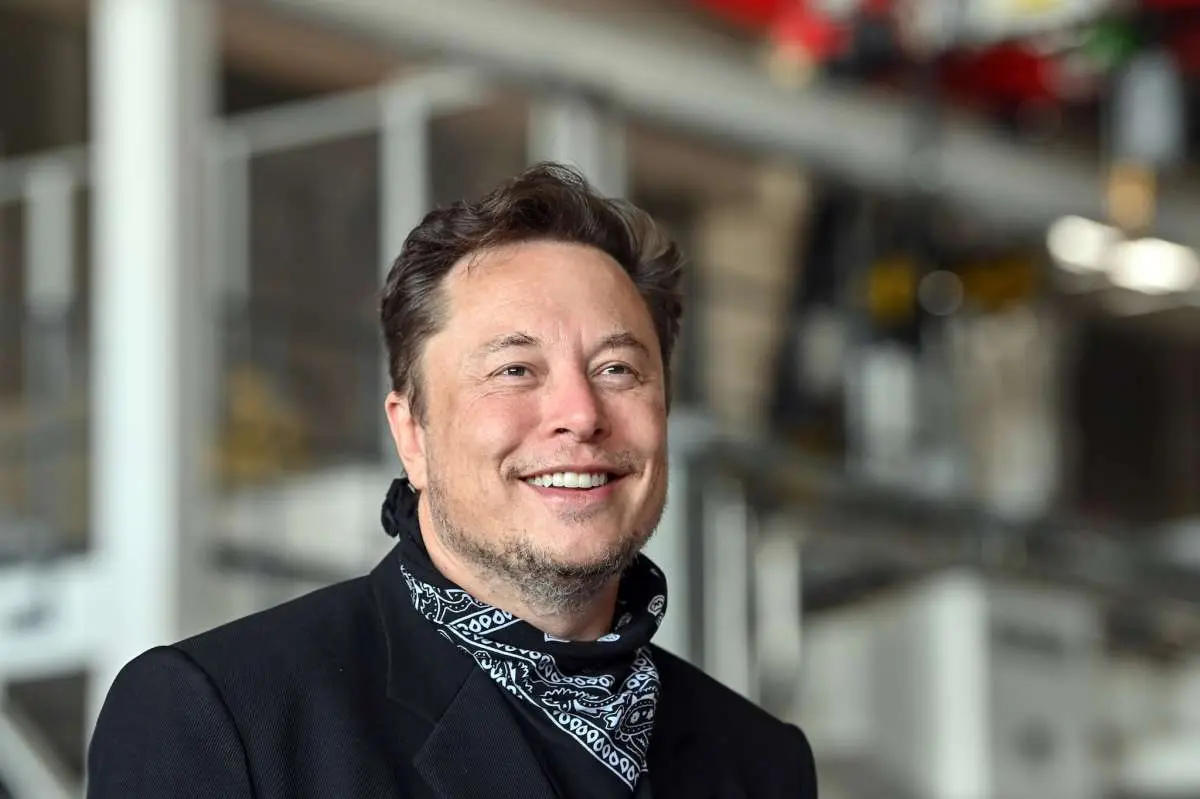
Musk is at it again with the AI timeline predictions, and this time the comment came as a response to a social media post rather than a formal interview. A member of NAG shared a video claiming humanity has three years left — Musk replied that AI surpassing human intelligence in roughly three years sounds about right to him.

Casual delivery. Significant claim. Very on-brand.
Key Points
- Musk responded to a social media post suggesting AI will surpass human intelligence within approximately three years
- This aligns with his earlier prediction that AGI — Artificial General Intelligence — would arrive around 2026
- Musk has also projected that by 2029-2030, AI will exceed the combined intelligence of all humanity
- These are Musk's personal predictions, not Anthropic, OpenAI, Google DeepMind, or any research institution's official position
- The comments add to an ongoing public debate about AI development timelines among researchers and industry figures

Musk Has Been Saying This for a While
This isn't a new position for him. Musk has been publicly predicting aggressive AGI timelines for years, and the three-year window he referenced here fits neatly alongside his earlier 2026 AGI estimate. The consistency is notable — he's not walking back previous predictions or hedging. If anything, the timeline has stayed roughly the same across multiple public statements spanning different contexts and platforms.
Whether that consistency reflects genuine conviction or effective personal branding is a question worth asking.

What "Surpassing Human Intelligence" Actually Means
Here's where it gets genuinely complicated. AI already surpasses human performance on specific narrow tasks — chess, protein folding, certain coding benchmarks. What Musk appears to mean is something closer to general cognitive capability across domains — the kind of flexible reasoning that humans apply to novel problems without prior training.
That threshold is considerably harder to define, let alone measure. Researchers disagree sharply on whether current AI architectures are even on a path toward it, regardless of timeline. The three-year prediction assumes a trajectory that many AI scientists consider optimistic at best and misleading at worst.
The Gap Between Prediction and Consensus
Musk's timeline sits well outside mainstream AI research consensus. Most serious researchers avoid specific AGI timelines entirely — the problem is considered too complex and the variables too uncertain for confident prediction. Some prominent voices in the field have pushed back directly on the kind of near-term AGI framing Musk favors.
That doesn't make him wrong. It does mean taking the three-year figure as a fact rather than one person's strongly held opinion would be a mistake.
Popular News


Latest News
Loading