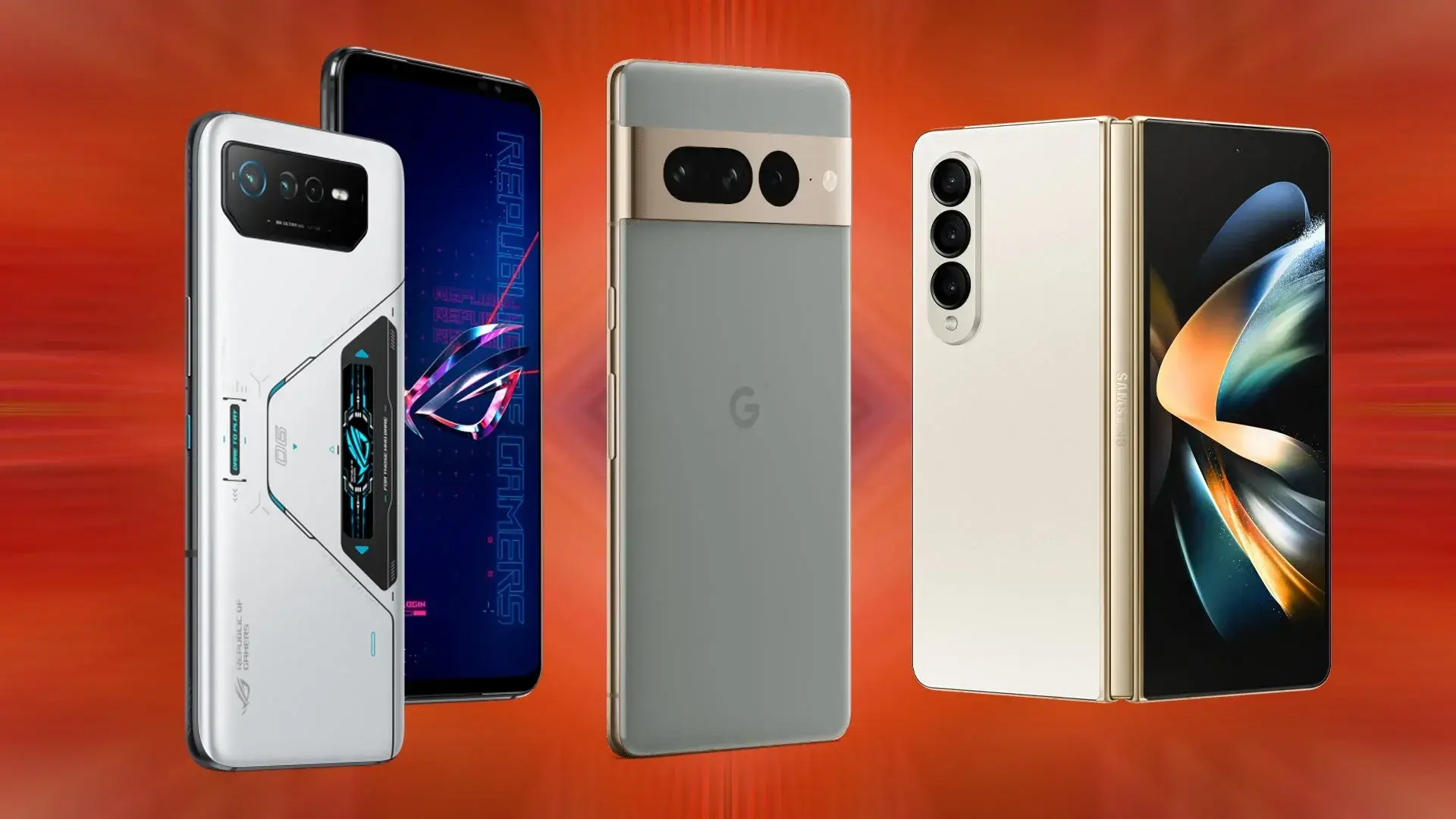
Budget Android phones have come a long way. Just
a few years ago, devices under $300 felt sluggish and cramped.
Today, many
offer fast processors, smooth screens, and capable cameras.
You can scroll,
play games, and snap photos without waiting for the phone to catch up.
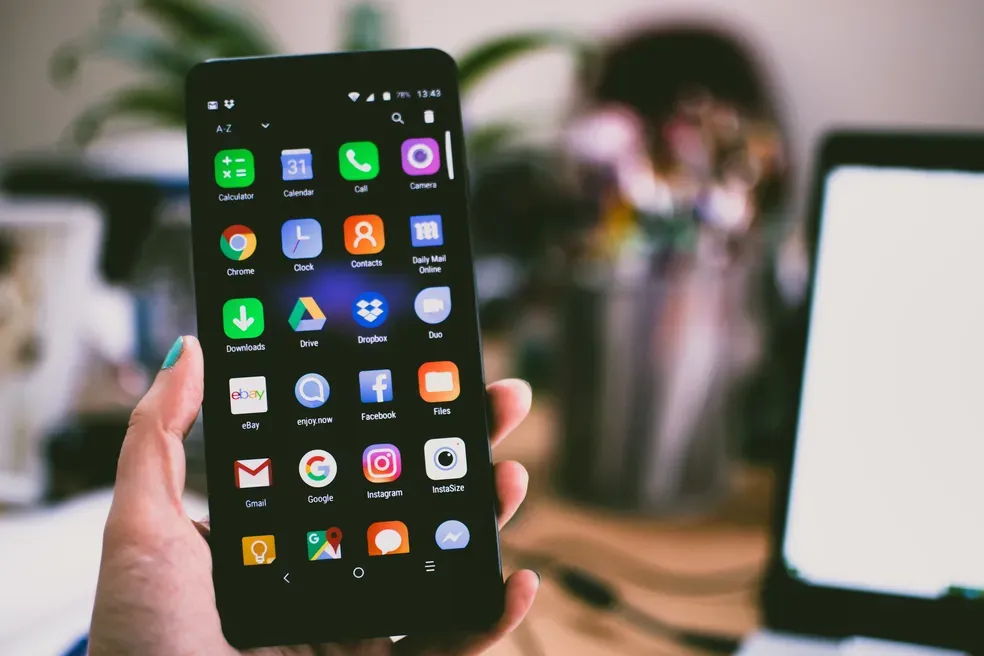
For
everyday use, these phones often feel like mid-range models from the past.
Manufacturers are
packing more power into smaller packages.
Some now run the same processors
found in premium devices, though with less RAM or storage.
That trade-off
usually doesn’t hurt daily tasks. For casual users, these phones often
outperform their price tag, giving a sense of real value.
Software that disappoints
All that performance can vanish if the software
falls behind.
Affordable phones often ship with an Android version that’s
current at launch but stops receiving updates quickly.
Security patches may
arrive late, or not at all, leaving the device exposed.
Updates aren’t just
about security. New versions of Android bring features and improvements.
Without them, a phone can feel outdated within a year. Apps may start crashing
or fail to install.
It’s frustrating to see a phone handle tasks well yet
struggle with software that should run smoothly.
Short lifespan, real cost
You might save $200 or $300 upfront, but a phone
with limited updates can cost more over time.
Users often replace phones sooner
than they should. A device that could last four years may only remain secure
for two.
That short lifespan undermines the sense of value that made budget
phones appealing in the first place.

Some brands have
started promising longer support.
Google’s Pixel “a” series now gets at least
three years of updates, and Samsung offers four years for certain models.
Still, many smaller brands continue to cut corners, leaving buyers with devices
that age quickly.
The human side of updates
A phone isn’t just about specs. You might love it
at first, but a year later, broken features can be really frustrating.
People
remember that more than how fast it was in the beginning. The excitement of a
smooth interface fades when updates fail to arrive.
Manufacturers could
make a huge difference by thinking long-term.
Even small updates, like getting
security updates on time, can make a budget phone feel much better.
People
notice when brands keep caring about their experience long after the purchase.
Balancing power and patience
For now, choosing a budget phone requires
trade-offs. You can enjoy high performance, bright screens, and decent cameras,
but you may need to accept shorter support.
Some users decide to spend more
upfront for a longer software lifespan, while others tolerate a phone that
might feel old sooner than expected.
The gap between
performance and longevity is widening. Affordable phones can rival expensive
models in speed and features, yet they falter where durability truly
matters—software updates and ongoing support.
That mismatch often shapes the
long-term experience more than raw specs.

Looking ahead
Buyers can push for better practices, such as talking
about updated policies in reviews and expecting clear communication from brands
can make a real difference.
Companies that commit to four or more years of
updates are more likely to earn our trust—and keep us coming back. Those who
don’t risk frustration and early replacements.
Budget Android
phones have improved immensely. They feel faster, smarter, and more capable
than ever. But the shortfall in software support reminds us that price is only
part of the story.
Longevity matters, and manufacturers need to take it
seriously if they want to build devices that truly satisfy users.
Popular News



Latest News
Loading