Apple’s Upcoming AI Smart Glasses: Design and Hardware Details Revealed
AppleMonday, 13 April 2026 at 01:50
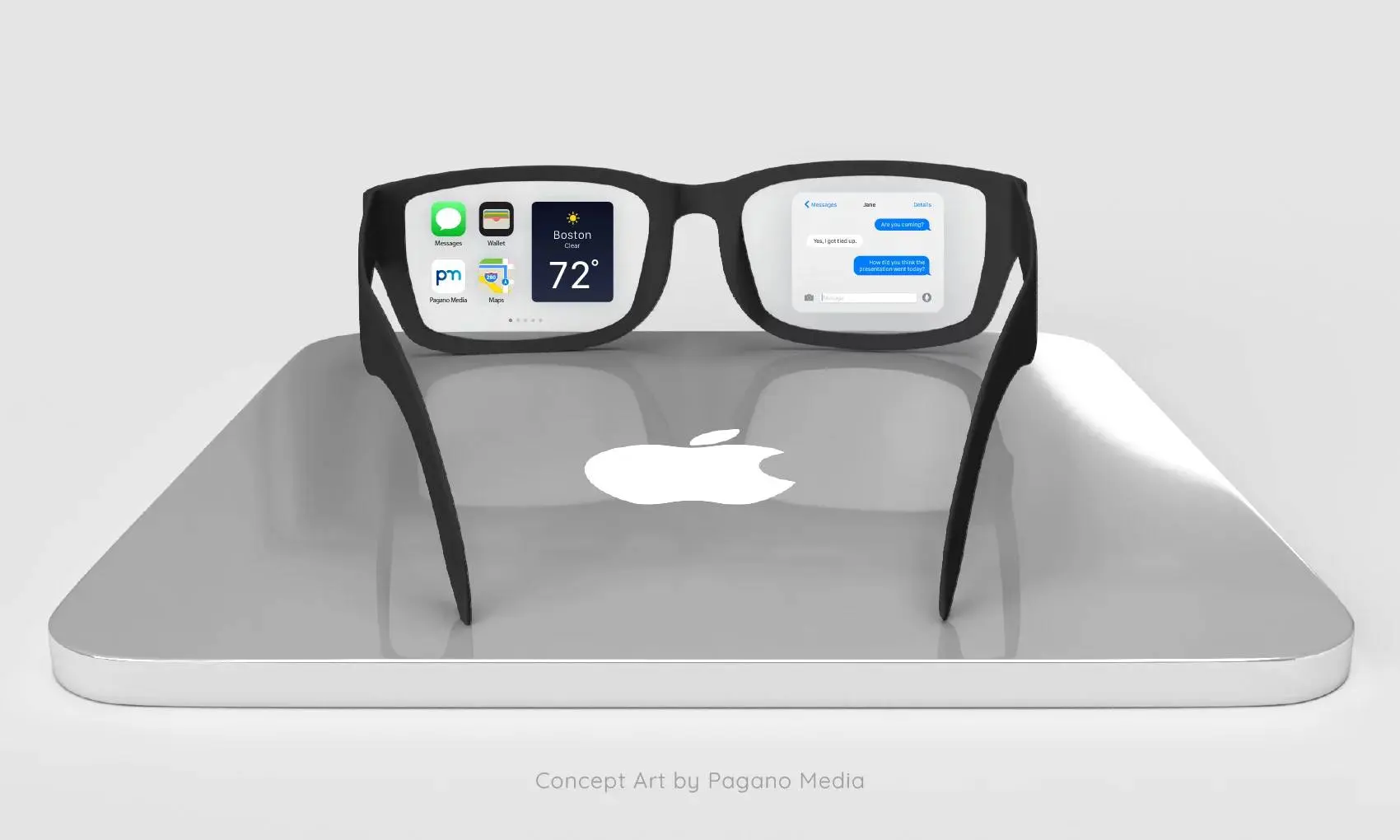
Four frame styles. Premium acetate. An oval camera module with indicator lights. A product announcement before year end and a public release in 2027. At some point, this stops being speculation and starts being a product briefing.

Summary
- Apple's AI smart glasses, internally codenamed N50 (now also referenced as N401), are confirmed to be in active prototype testing, with production targeting December 2026 and a public launch expected in spring or summer 2027.
- The glasses use acetate — a durable, premium material — rather than standard plastic, with at least four distinct frame styles in testing spanning large and narrow square formats and large and small round formats.
- The front camera module uses a distinctive oval arrangement paired with LED indicator lights, a deliberate design decision to create an instantly recognizable visual identity separate from circular-lens competitors like Meta's Ray-Ban glasses.
- The device is screenless — no display of any kind — relying instead on built-in cameras, microphones, and speakers for Siri interaction, photo and video capture, phone calls, live translation, and contextual AI assistance.
- Apple rejected the partnership route taken by Meta (EssilorLuxottica) and Google (Warby Parker), choosing instead to develop fully in-house frame designs in multiple sizes and colors, maintaining full control over industrial design and hardware integration.
The company that took a decade to enter the smartwatch market and then dominated it isn't rushing this. But it is moving.
The Design Bet Apple Is Making
Start with the materials choice, because it matters more than it sounds. Acetate is what premium independent eyewear brands use. It's heavier than plastic, takes color better, feels more substantial, and ages differently — it develops a patina rather than yellowing. Using it signals that Apple isn't positioning this as a technology gadget with glasses attached. It's positioning this as eyewear that happens to contain technology. That distinction shapes everything from the retail experience to who buys it.
Four frame styles in prototype testing is unusually broad for a first-generation hardware product. There's a large square frame — reportedly reminiscent of the Ray-Ban Wayfarer silhouette — alongside a narrower square style, a large round or oval frame, and a smaller refined round option. This range mirrors how Apple launched Apple Watch with multiple case sizes, ensuring the product doesn't fail because of fit and fashion mismatches rather than technology limitations.
The oval camera module and LED indicator lights are the recognizable design signature — Apple's equivalent of the AirPods stem or the Apple Watch crown. You'll know what they are when you see them, which is frankly the point.

Screenless, and That's the Strategy
No display. Not in this generation. The N50 relies entirely on cameras, microphones, and speakers embedded in the frame. Users get Siri, contextual awareness, live translation, photo and video capture, and phone calls — without any visual overlay. That might sound like a limitation. It's actually a deliberate scope decision.
The Vision Pro taught Apple one expensive lesson: hardware that requires users to look different from everyone else around them doesn't achieve mass adoption, regardless of the technology inside it. A pair of premium acetate glasses that happen to have AI built in is a product people will actually wear to dinner, not just to a tech demo. Here's the catch, though — Apple is banking on Siri being meaningfully better by 2027. The assistant's current limitations would make a screenless AI device frustrating rather than useful. Whether that gap closes in time is the real question.
What Comes Next
Two cameras are confirmed in multiple reports — one for high-resolution photo and video, one for computer vision tasks similar to what the Vision Pro uses for spatial awareness. Production starts December 2026 if development stays on schedule. A possible WWDC 2026 preview in June would give developers a window to build for the platform before glasses reach retail. Early pricing speculation circles around $499 at the entry level, targeting Meta's Ray-Ban territory while justifying Apple's ecosystem premium.
The AR version — with actual displays — is a separate project entirely, and isn't expected until 2028 at the earliest.
Popular News

Latest News
Loading