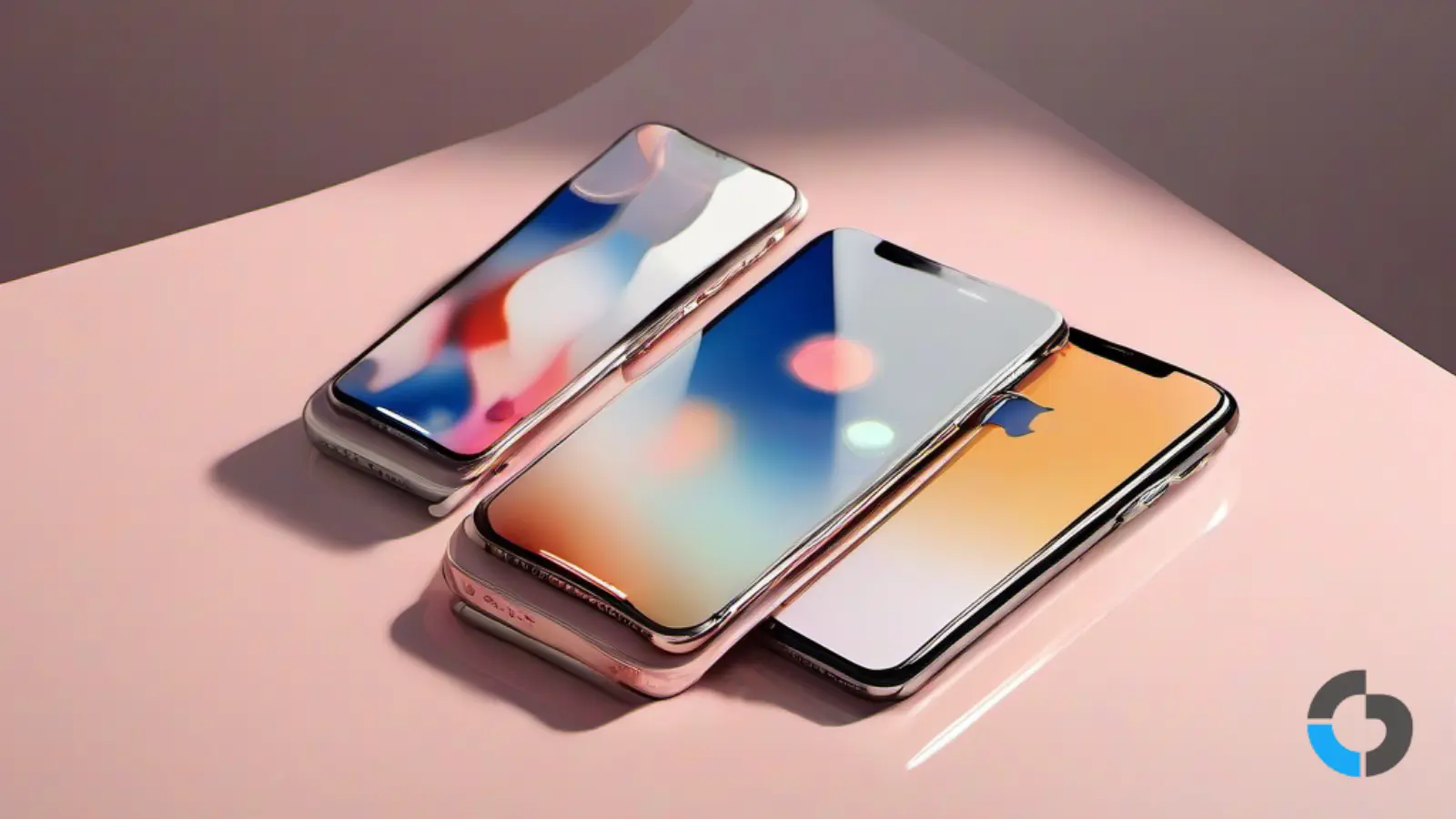
Apple doesn't do this. Except apparently now it does.
Summary
- Apple is reportedly planning six iPhone models across the iPhone 18 generation, split into two distinct launch waves roughly six months apart — a significant departure from its traditional single September event.
- The first wave, expected in fall 2026, will include the iPhone 18 Pro, iPhone 18 Pro Max, and Apple's first-ever foldable iPhone — rumored to be called "iPhone Ultra" or "iPhone Fold" and priced above $2,000.
- The second wave, expected in spring 2027, will deliver the standard iPhone 18, the budget-focused iPhone 18e, and the iPhone Air 2 — targeting broader market segments and mainstream buyers.
- The A20 chip, built on TSMC's 2nm process, is expected across the Pro and foldable models, with the Air 2 also rumored to adopt it in a later refresh focused on battery efficiency improvements.
- The iPhone Air's first generation underperformed on sales, which may partly explain the Air 2's delayed timeline — Apple has time to add a second camera and better justify the $999 starting price before relaunch.
For the first time in iPhone history, if you want a standard iPhone 18, you'll have to wait past the fall. Apple is deliberately holding it back. That's either brilliant portfolio management or a sign the foldable needs every spotlight it can get. Probably both.
Fall 2026: The Expensive Stuff First
The three devices arriving in fall 2026 share one thing in common — none of them are cheap. The iPhone 18 Pro and Pro Max are expected to run on the A20 chip, built on TSMC's 2nm process, with under-display Face ID finally moving from rumor to reality. The Dynamic Island may shrink further, though recent leaks suggest the design refresh is more modest than originally hoped.
Then there's the foldable. It opens book-style, with a smaller external display and a larger inner panel — Samsung Display supplying the panels exclusively under a three-year deal, using CoE technology to minimize crease visibility. Starting price is expected to cross $2,000. Some leaked configurations top out near $2,900. I suppose Apple's betting its loyal base will pay it.

Spring 2027: The Volume Play
Here's where it gets strategically interesting. The iPhone 18, iPhone 18e, and iPhone Air 2 are all arriving together in spring 2027, roughly six months after the flagship wave. This is the first time Apple has intentionally delayed its volume seller — the standard iPhone — past a fall release.
The iPhone 18e continues the budget-conscious "e" series, though pricing specifics for Western markets haven't been confirmed. The Air 2, frankly, needs to work harder than its predecessor. The original iPhone Air disappointed commercially, prompting Apple to reportedly explore adding a second camera and potentially reconsidering the $999 price point before the sequel arrives.

Why This Strategy Actually Makes Sense
Spread your launches, sustain your news cycle. Apple's moving toward a model that keeps iPhones in headlines throughout the year rather than consolidating everything into a single September moment. But here's the catch — consumers who typically buy the standard iPhone now face a six-month gap while competitors keep shipping. That window won't go unnoticed.
Whether this becomes Apple's permanent cadence or a one-cycle experiment depends entirely on how the foldable performs.
Popular News


Latest News
Loading