
The leaked cases for Apple's first foldable — expected to be called the iPhone Ultra — keep building the picture. Multiple case manufacturers have produced protective covers matching the same book-style wide foldable design, confirming the dual horizontal rear camera module, side-mounted Touch ID in the power button, and the wide aspect ratio that makes it closer to a small tablet than a conventional foldable when open.

Key Points
- Leaked cases from multiple manufacturers confirm iPhone Ultra's book-style wide foldable design — 5.3-5.5-inch cover display and 7.8-inch near-creaseless inner display consistent across all leaks
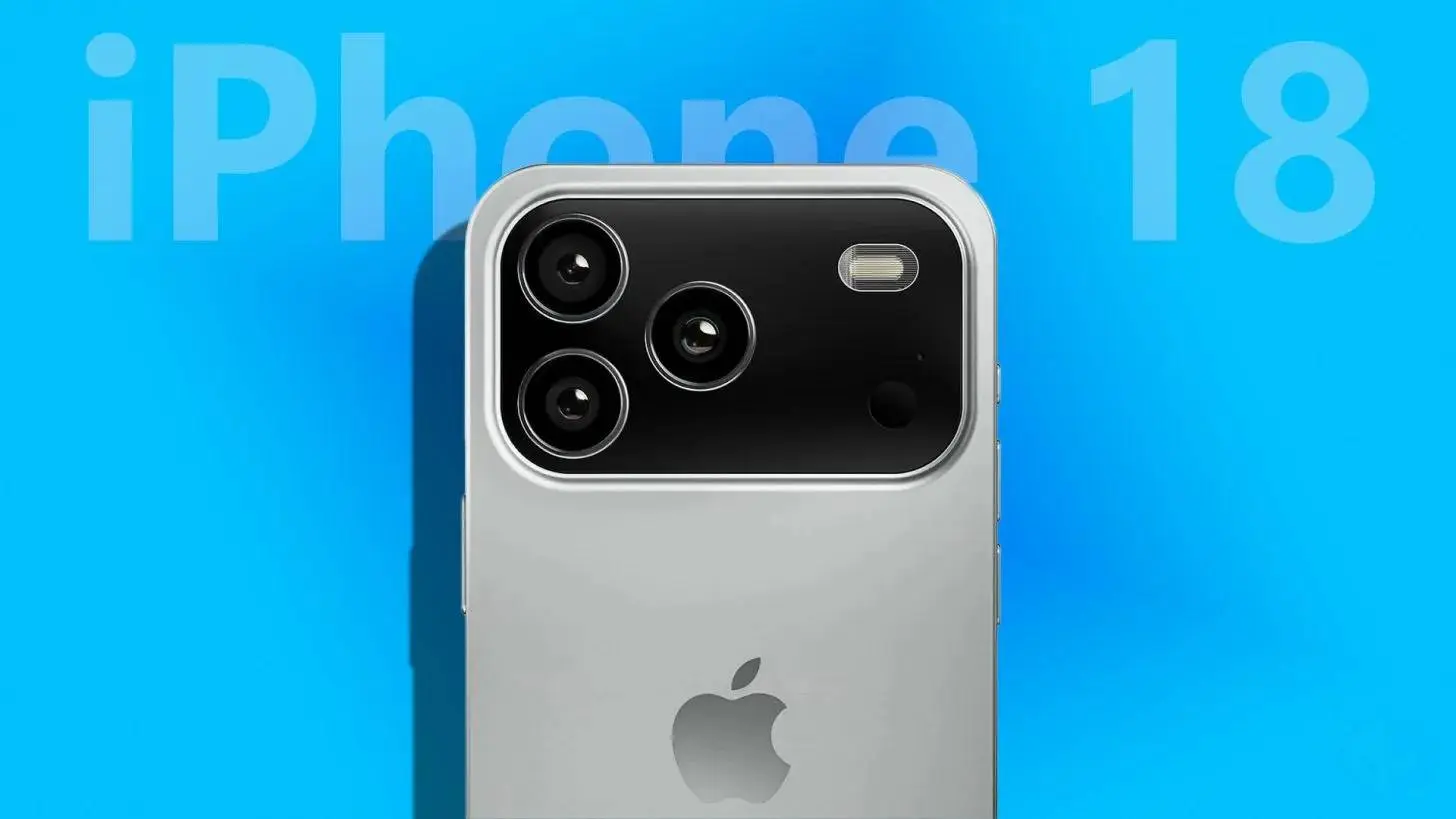
- Dual horizontal rear camera module confirmed via case cutouts — dual 48MP wide and ultra-wide setup, no telephoto, horizontal bar layout similar to iPhone 17 Air
- Touch ID integrated into the power button replaces Face ID — a practical concession for a foldable where the camera angle for face recognition is frequently compromised
- MagSafe mystery ongoing — dummy units show no internal magnets, but all cases include MagSafe rings, suggesting Apple may have offloaded magnets to the case to achieve 4.5mm unfolded thickness
- A20 Pro on 2nm, 12GB RAM, 5,000-5,800mAh battery with 30W+ charging, starting price expected around $2,300 — September 2026 launch target alongside iPhone 18 Pro

The Case Leaks Are the Most Reliable Signal
Case manufacturers need final or near-final device dimensions months before launch to have inventory ready at retail alongside the phone. When multiple independent manufacturers produce cases with identical cutout positions, it's a strong signal the design is locked. The iPhone Ultra cases from leaker Majin Bu and subsequent manufacturer discoveries all show the same horizontal rear camera bar, same power button placement, and same wide aspect ratio — meaning the design is almost certainly final.
The 4.5mm unfolded thickness is what the case manufacturers are working around. Getting a book-style foldable this thin is the engineering achievement Apple has been targeting — and the MagSafe trade-off appears to be the cost. Offloading magnets to the case rather than embedding them in the device saves internal volume that goes toward the thinness target.
September 2026 launch alongside the iPhone 18 Pro remains the primary target. Some reports suggest December is possible.
Why Touch ID Instead of Face ID
Face ID requires precise depth sensing from specific angles. A foldable phone in half-folded or tent mode — or being held at an unusual angle during one-handed use of the cover screen — presents Face ID with angles it struggles to handle cleanly. Touch ID in the power button solves this cleanly: one thumb press, regardless of how the phone is oriented or folded. Apple uses this exact solution on the iPad mini and iPad Air. Applying it to the iPhone Ultra is the logical extension.

The Display Is the Device
A 7.8-inch near-creaseless inner display at a wide 4:3 aspect ratio is genuinely tablet-like. Apple's current iPad mini uses a 8.3-inch display at a similar aspect ratio. The iPhone Ultra's open state is essentially a pocketable iPad mini with phone capability. The 5.3-5.5-inch cover screen handles one-handed phone use when folded — smaller than any current iPhone, which is the trade-off for the wide form factor when closed.
The near-creaseless claim is the most ambitious display specification. Every current foldable has a visible fold line. Apple eliminating or nearly eliminating it would be the single most important foldable display achievement since Samsung reduced the Z Fold crease in the Fold 6.
loading
Popular News


Latest News
Loading