iPhone 18 Pro Tested With 15-Minute 50 Percent Fast Charging Capabilities
AppleThursday, 17 September 2026 at 14:17
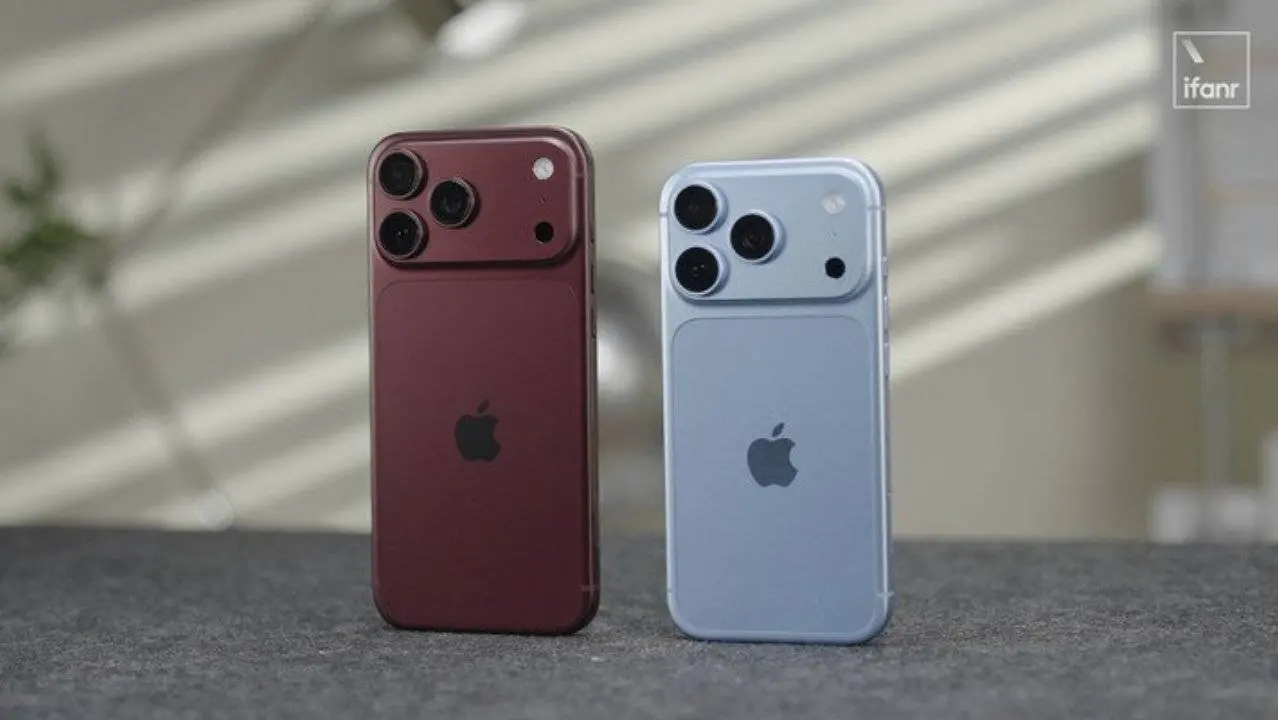
The new iPhone 18 Pro lineup is drawing attention for its fast charging. According to Apple, the phone charges to about 50% in roughly fifteen minutes, five minutes faster than last year's iPhone 17 Pro. A detailed test by the Chinese magazine iFanr now shows that Apple can genuinely come close to that figure, and also explains what's actually behind the speed.
Read also
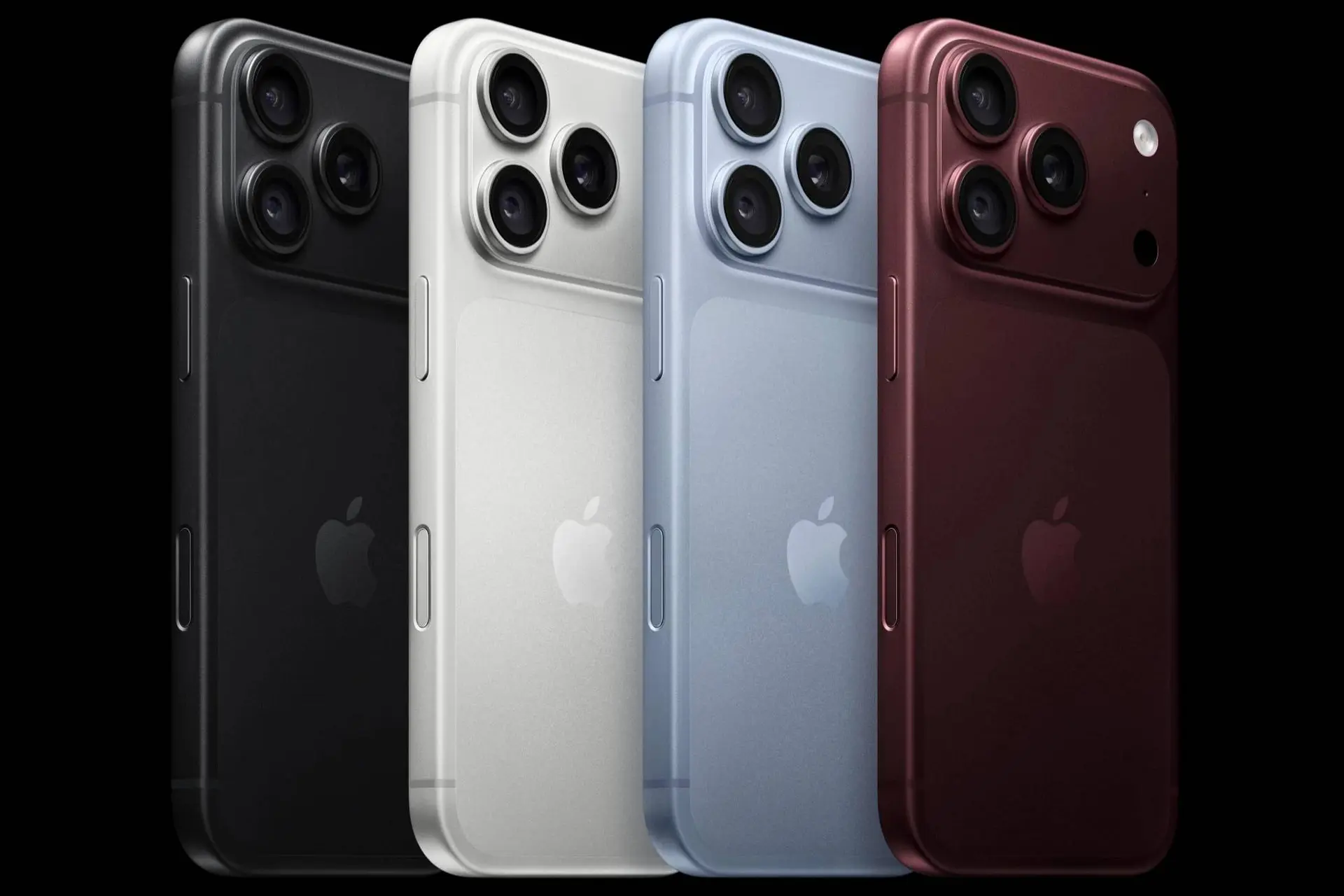
Testers charged both new models for eight hours, logging progress every minute. The iPhone 18 Pro held roughly 40 watts of power for thirteen minutes, reaching 57% in the first fifteen minutes and 84% after half an hour. The larger iPhone 18 Pro Max did even better, holding a steady 54 watts for the first ten minutes, reaching 50% in fifteen minutes and 80% after thirty minutes.
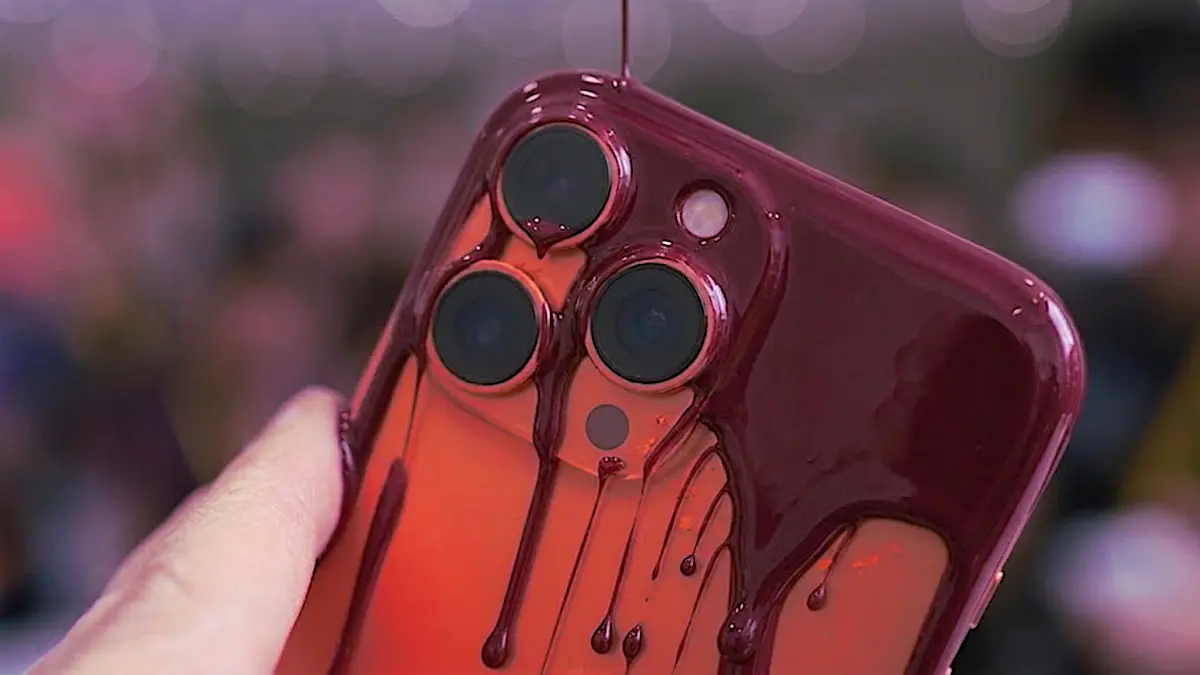
iPhone 18 Pro: the secret lies in "SPR AVS"
To hit peak charging speed, the phone needs a compatible 60W power adapter that supports Adjustable Voltage Supply - specifically SPR AVS (Standard Power Range / Adjustable Voltage Supply). This is a USB PD standard that can adjust voltage smoothly, in very small increments. A typical charger only offers a few fixed voltage levels, such as 5, 9, 15, or 20 volts; if a device needs something in between, its own internal circuitry has to make up the difference. AVS lets the adapter itself supply a more precisely matched voltage, which can reduce energy loss during conversion. SPR AVS goes a step further, delivering exactly the voltage the phone needs and cutting power loss accordingly.
Interestingly, last year's iPhone 17 charger already supported this technology, but the phone itself never actually used it. The iPhone 18 Pro is the first to put it to real use, holding 18 volts for nearly the entire charge until the battery reaches about 95%. After that, it switches to a lower voltage and finishes the last stretch of charging noticeably more slowly.

Temperature stays surprisingly low
Fast charging usually comes with higher heat, but that's not the case here. The iPhone 18 Pro's body reached a peak of just 38.7°C during the first thirty minutes, even though most of the charging happened in that window. Two things help with that: the higher efficiency of transferring power at 18 volts, and a new vapor chamber with roughly three times the surface area of the previous generation.

Anyone who actually wants to take advantage of this charging speed needs a charger that genuinely supports SPR AVS. Simple PPS support, which many Android devices use, isn't enough. The test even warns that some 65W chargers with AVS support list their charging profiles in the wrong order in their menus. In that case, the iPhone might fail to correctly detect AVS and switch to a different charging mode instead. It's worth choosing a charger Apple directly recommends, or one that clearly states SPR AVS support.


Loading