Anyone who saw JerryRigEverything’s bend test of the iPhone Air probably remembers the wince-inducing crunch as Zack forced the frame to bow under about 97 kg of weight. That same battered phone has now been taken apart, slowly and with a bit more care, to show what’s hiding under the thin aluminium and glass.

The opening step is almost gentle. Warm the back just enough to soften the adhesive, undo two tiny pentalobe screws and the glass panel starts to lift with the help of a plastic pick. Under the lid it’s calm and uncluttered: a 3,149 mAh battery in a slim metal sleeve takes up most of the centre. Around it sit the MagSafe ring and copper charging coils — small but essential for wireless charging.
Taking off the screen is less forgiving. A strong layer of glue, a tri-point screw and a couple of ribbon cables hold it fast. It’s the kind of job that rewards patience; a hasty tug could ruin the connectors or crack the panel.

Apple’s choice of electrically-released adhesive for the battery makes life easier once you reach it. A controlled jolt of current releases the pull-tab so the cell can be lifted without scraping or prying. The same system appeared in last year’s iPhone 16 models.
Further in, the teardown reveals the mainboard, the multi-lens camera cluster and a titanium, 3-D-printed sleeve around the USB-C port. It’s a neat touch — light but sturdy, exactly where the cable gets the most strain.
Key Points
- Back glass panel comes off with minimal tools and heat.
- 3,149 mAh battery with metal enclosure dominates the interior.
- MagSafe magnets and copper coils visible for wireless charging.
- Electrically-released adhesive simplifies battery removal.
- Titanium 3D-printed USB-C housing underscores durability.
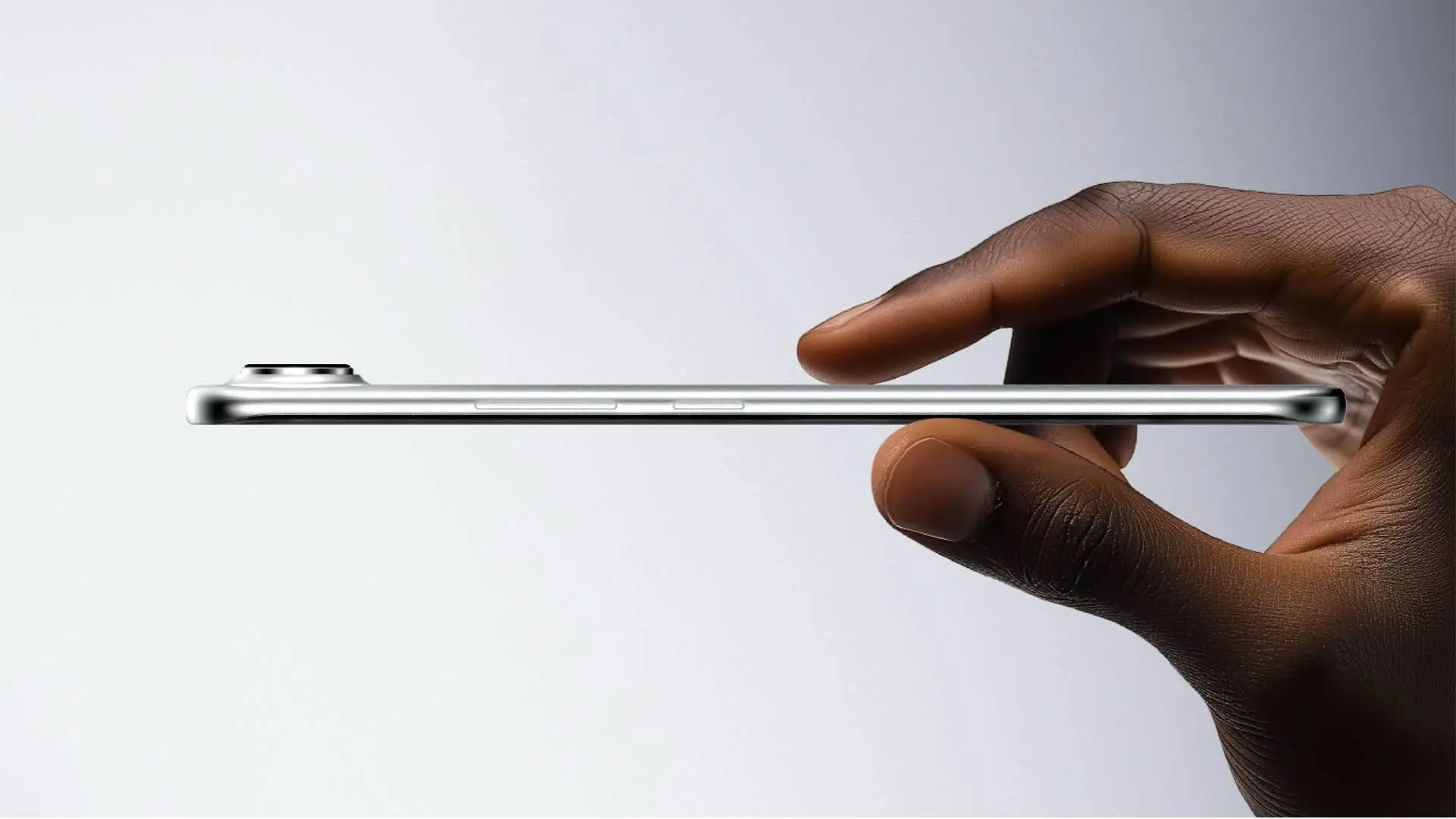
Layer by layer the phone feels less like a gadget and more like a tightly packed instrument. The symmetry inside is oddly satisfying, and it explains how the Air manages to be thin yet still hold its shape.
The full teardown video is worth a watch if you enjoy seeing precision work up close. It’s a reminder that a product we slide into a pocket every day hides a small feat of engineering.
Popular News



Latest News
Loading