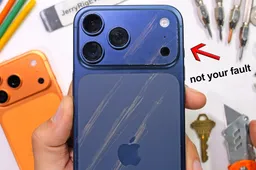
Apple’s newest iPhone is pulling off
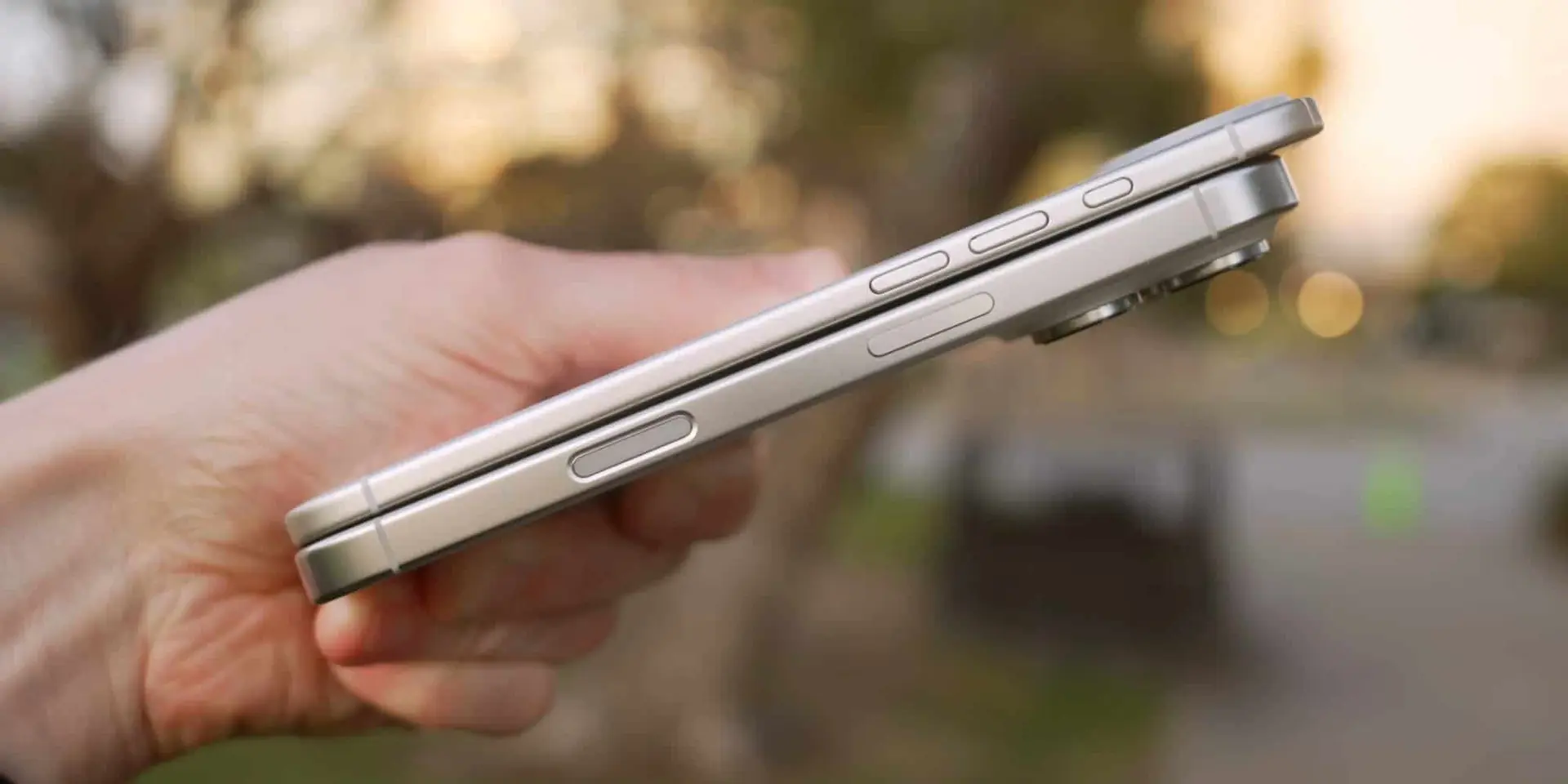
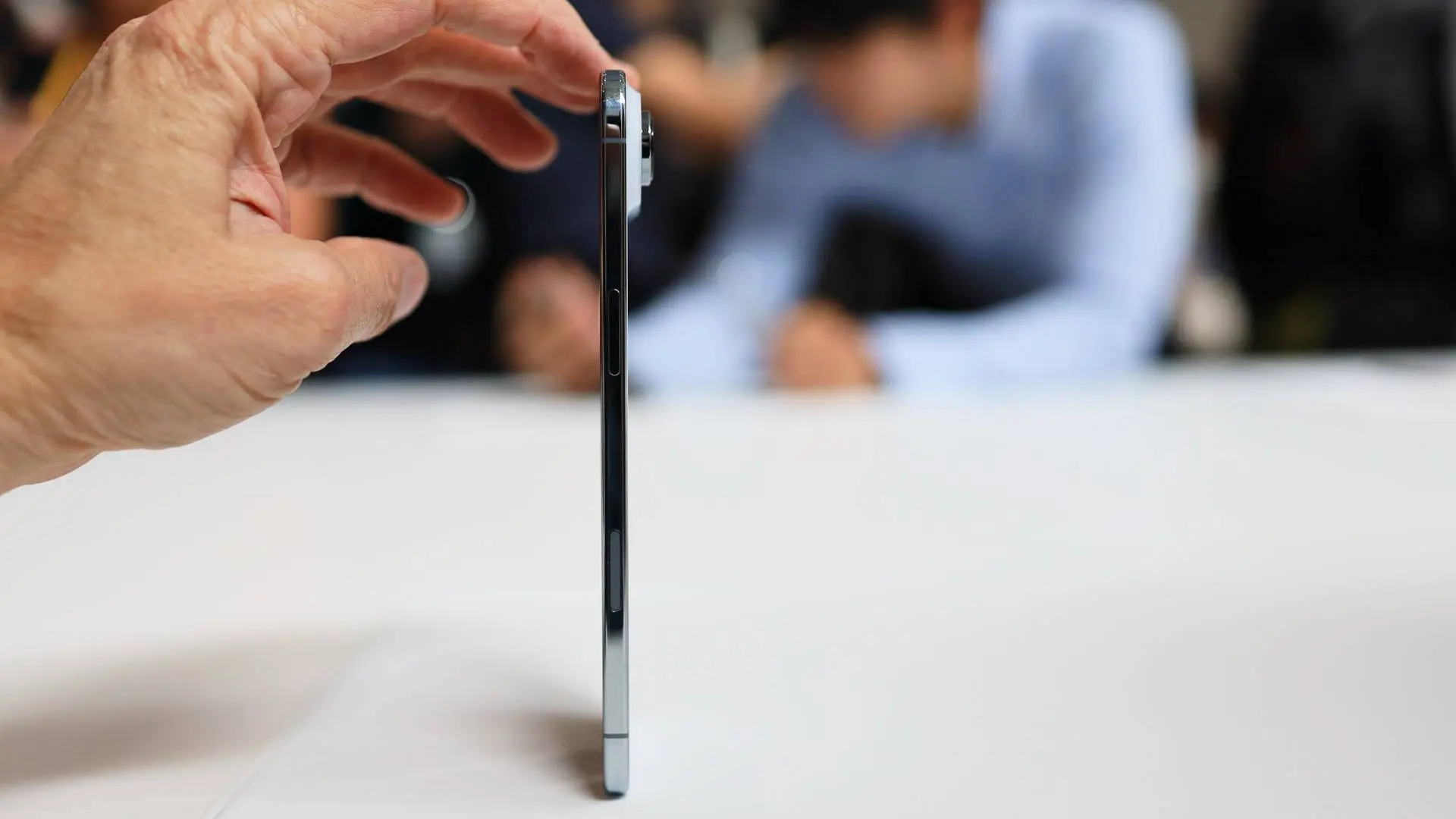
something unexpected. The iPhone Air, the thinnest phone in Apple’s lineup,
comes with a modest 3,149 mAh battery.
That number looks small compared to
today’s Android devices, many of which push past 5,000 mAh. But early tests
show the Air can last longer than Samsung’s Galaxy S25 Edge, which has a bigger
3,900 mAh cell.
Read also
Test Results Show Apple’s Advantage
Popular reviewer XEETECHCARE put
both phones through a full battery drain test. The iPhone Air delivered 8 hours
and 57 minutes of screen time.

Source: TechRadar
The Galaxy S25 Edge shut down at 8 hours and 45
minutes. On paper, Samsung had the advantage, but Apple’s efficiency helped the
Air cross the finish line first.
Tom’s Guide ran its own battery
trials and found the same pattern. In a continuous web browsing loop, the Air
lasted 12 hours and 2 minutes. The S25 Edge managed 11 hours and 48 minutes.
In
streaming tests, the difference grew wider. After five hours of video playback,
the iPhone Air still held 81% charge. Samsung’s phone had already dropped to
67%.
Efficiency Over Size
These results highlight Apple’s
long-time focus on optimisation. Instead of relying on larger hardware, the
company squeezes more out of what it has.
Reports suggest Apple is now using
AI-powered resource management to push efficiency even further. That could
explain why this year’s iPhones are showing such strong results.
XEETECHCARE also tested the larger
iPhone 17 Pro Max. It lasted 11 hours and 53 minutes, far ahead of the Galaxy
S25 Ultra’s 9 hours and 18 minutes.
Even the iPhone 17 Pro, with a smaller
3,988 mAh cell, outperformed last year’s iPhone 16 Pro Max, which carried a
much bigger 4,685 mAh battery. Something significant has clearly changed in
Apple’s approach.
What It Means for the Future
The efficiency gap may pressure
rivals. Leaks suggest Samsung won’t increase the Galaxy Ultra’s battery size in
2026. If that’s true, the company will need to match Apple’s software tricks to
stay competitive in real-world endurance.
For now, the iPhone Air proves that
bigger isn’t always better. With smart optimisation, even a small battery can
punch above its weight. What looked like a weakness on paper has turned into
one of the Air’s most surprising strengths.
Popular News
Latest News
Loading