The rumors of Black Shark’s resurrection as a smartphone titan have been greatly exaggerated. I’ve spent two decades watching brands rise and fall in this cutthroat industry, and frankly, the "comeback" narrative surrounding this Xiaomi-adjacent label feels more like nostalgic wishful thinking than a cold business reality. Despite a sudden burst of activity in the tablet space, the specialized gaming phone market remains a graveyard that Black Shark isn’t quite ready to dig itself out of just yet.

Key Points
- Reliable industry insiders report zero evidence of a new Black Shark smartphone in production.
- The brand’s recent Snapdragon 8 Gen 3 tablet is a standalone project, not a phone teaser.
- Black Shark has officially separated from Xiaomi, losing its former ecosystem support.
- New hardware has pivoted to Stock Android, moving away from custom Xiaomi software.
- The company currently prioritizes gaming accessories and tablets over the competitive phone market.

The tablet mirage
The spark that lit this particular fire was the release of a high-end gaming tablet powered by the Snapdragon 8 Gen 3. It’s a beast of a machine, sure. But here’s the catch: building a high-performance tablet is a vastly different beast than surviving the smartphone meat grinder. Tipster Digital Chat Station has been blunt about the situation, noting a complete lack of supply chain movement regarding a handheld device. I suppose it’s easier for fans to jump to conclusions than to face the fact that a single tablet doesn't equate to a full-scale mobile return.
Life after the Xiaomi divorce
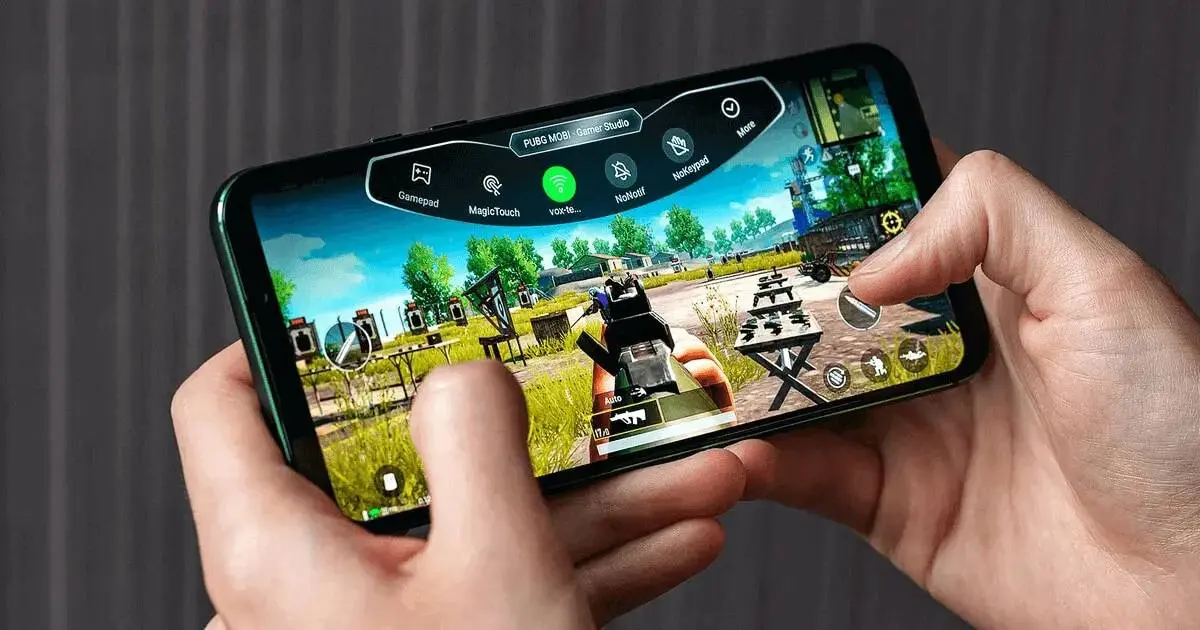
For years, Black Shark lived comfortably under the massive wings of the Xiaomi ecosystem. They shared software, supply chains, and marketing muscle. That era is over. Now operating as a fully independent entity, the brand is navigating a very different landscape. The most telling sign of this divorce is the software. Gone is the heavily skinned MIUI or HyperOS influence. Instead, their new hardware runs a remarkably clean version of Stock Android. It’s a bold move, but one that signals a focus on niche gaming utility rather than mass-market smartphone appeal.
A cautious corporate pivot
The mobile gaming landscape has shifted. While dedicated accessories and tablets are thriving, the demand for "gaming phones" has been cannibalized by mainstream flagships that are now "good enough" for most players. Black Shark seems content—wisely, I might add—to test the waters with peripherals and larger screens. They are keeping the brand alive without the massive overhead and risk of a flagship phone launch. It’s a survival tactic. Until we see actual orders for 6-inch OLED panels and mobile modems, I’d suggest keeping your expectations firmly in check.
Popular News
Latest News
Loading