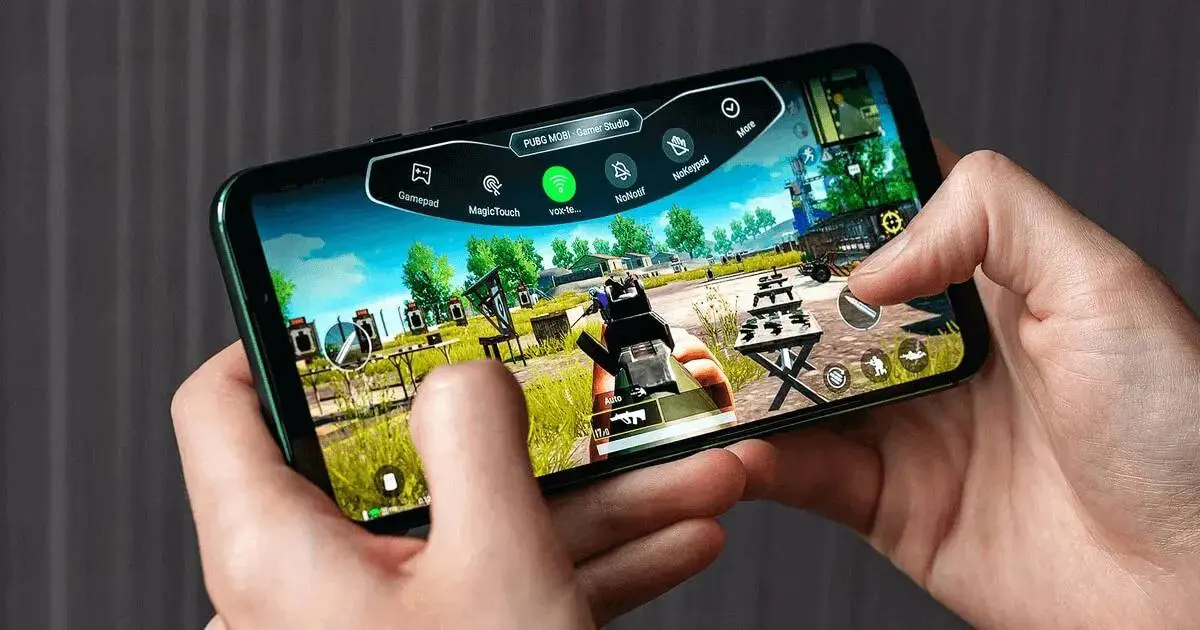
For a few bright years, Black Shark was the name every mobile gamer knew by heart — a brand born to push phones to their thermal limits. Then, almost overnight, it disappeared. No flashy press release, no official farewell. What happened to Xiaomi’s once-promising gaming arm is less a story of failure, and more a quiet corporate retreat from a dream that burned too fast.

The Rise — and the Deal That Never Was
When Black Shark first appeared in 2017, it felt like something fresh in a market of lookalike flagships. Its phones were unapologetically bold — jet-black designs, liquid cooling systems, and a certain attitude that said “we’re here for the gamers.”
But behind the neon lights, a bigger story was unfolding. Around 2022, Tencent Holdings wanted to acquire Black Shark and turn it into the foundation of its future VR/AR hardware division. The plan looked brilliant on paper — Tencent’s software empire meeting Black Shark’s hardware muscle.
Then came May 2022, and everything fell apart. Chinese regulators never approved the deal. The dominoes fell quickly: layoffs, missed salaries, and the shutdown of the smartphone R&D wing. For the engineers behind the Black Shark 6, the writing was already on the wall.

Why Xiaomi Stepped Back
Xiaomi could have saved the brand — but it didn’t. And that decision wasn’t careless; it was strategic.
By that time, Xiaomi was already reorganizing internally. The POCO and Redmi lines were competing head-to-head for the same performance-focused audience. Add to that Xiaomi’s work on HyperOS and a global slowdown in gaming phone sales, and you get a clear picture: there was little room left for another sub-brand bleeding cash.
In business terms, gaming phones are a niche with prestige but not profit. They’re loud, expensive to make, and attract a tiny user base compared to standard flagships. Xiaomi quietly chose to let Black Shark fade — not because it failed, but because it no longer fit the plan.
The Reinvention Nobody Expected
And yet, Black Shark didn’t die. It just changed shape.

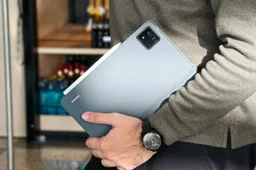
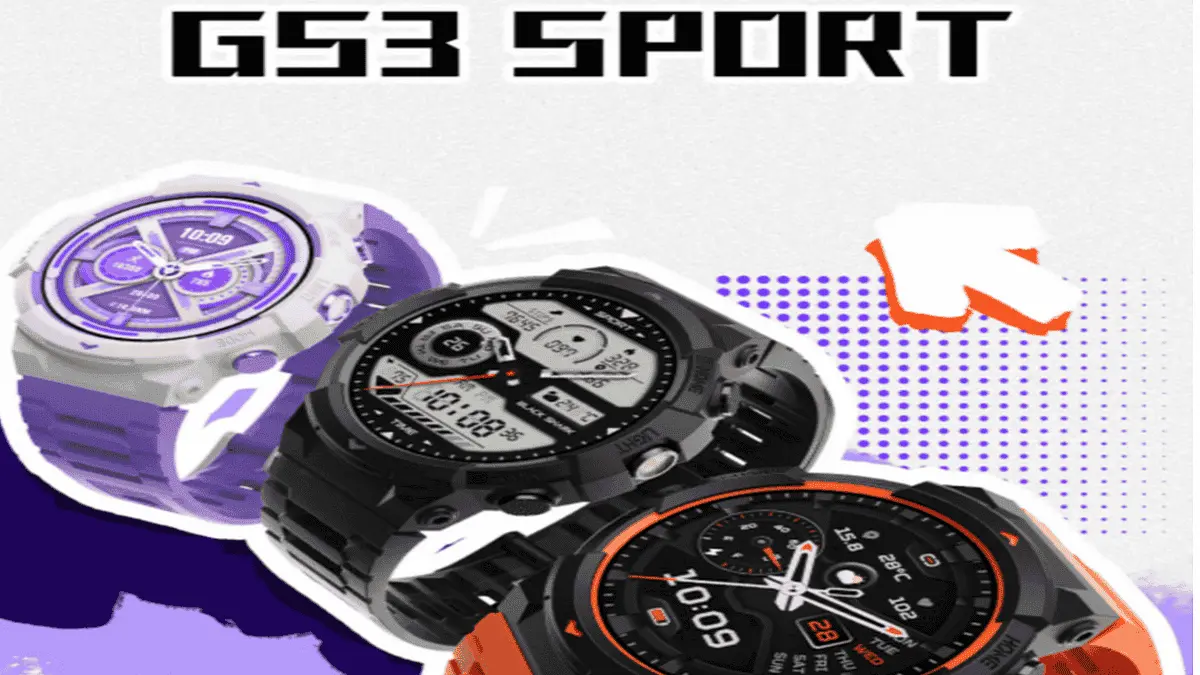
In 2024, the name resurfaced with a new focus — gaming lifestyle products. Think of the GT3 Neo smartwatch, the FunCooler 4 Pro, the Pad 6 tablet, and those signature Green Ghost controllers that look straight out of a sci-fi movie.
Analysts have dubbed this shift a “ghost brand strategy.” The idea is simple: keep the name alive through accessories that require far less investment but still carry emotional value. It’s the difference between running a race and coaching one — you stay in the game, just differently.
Lessons From the Fall
Black Shark’s fall isn’t tragic; it’s instructive. It shows how fragile even the most hyped tech brands can be when corporate timing, regulation, and market focus collide.
Had the Tencent deal gone through, Black Shark might have become China’s answer to Meta’s Quest division. Instead, it’s now an example of how to gracefully pivot — a smaller, steadier brand that understands its audience and limits.
In a way, that might be the most “gamer” move of all: adapting to the next level, even after losing a round.
Conclusion
Black Shark didn’t vanish — it evolved. The flashy gaming phone days are over, but the DNA remains. Xiaomi’s onetime gaming rebel now plays a quieter, more calculated game — one built not on raw specs, but on staying power.
Key Takeaways
- Black Shark ceased phone production after 2023 due to a failed $459M Tencent acquisition.
- Xiaomi chose not to intervene amid its own brand restructuring.
- The gaming phone market remains niche, limiting profitability.
- Black Shark now focuses on gaming accessories and lifestyle products.
- The brand’s evolution shows a pivot from innovation to endurance.
Popular News
Latest News
Loading