
Xiaomi kicked off February 2026 security patches this week across 25 phones. The spread is wild—everything from brand-new flagships running Android 16 down to mid-rangers still chugging along on Android 14.
Key Points:
- Xiaomi deployed February 2026 security patches to 25 devices across Android 14, 15, and 16
- No critical vulnerabilities flagged this month—update focuses on stability and minor fixes
- HyperOS 3 flagships like Xiaomi 15, 15T Pro, and POCO X7 Pro received priority rollout
- Older HyperOS 2 devices including Xiaomi 12T and Redmi Note 12 series still supported
- Region-specific builds deployed with different version numbers for Global, EEA, Turkey, India, Russia
Nothing Scary This Time
Google's security bulletin came out without any alarm bells. No critical exploits, no zero-day vulnerabilities demanding emergency patches. This month's update is boring in the best way possible. We're looking at stability improvements, small bug squashing, and backend protocol tweaks that nobody notices but everyone benefits from.

Turkey Got It Early
Here's something weird: the POCO X7 Pro started getting updates in Turkey before many global markets saw anything. Usually Turkish builds trail behind, but not this time. Multiple regions followed—India, Russia, Indonesia, Taiwan all got their versions within days.
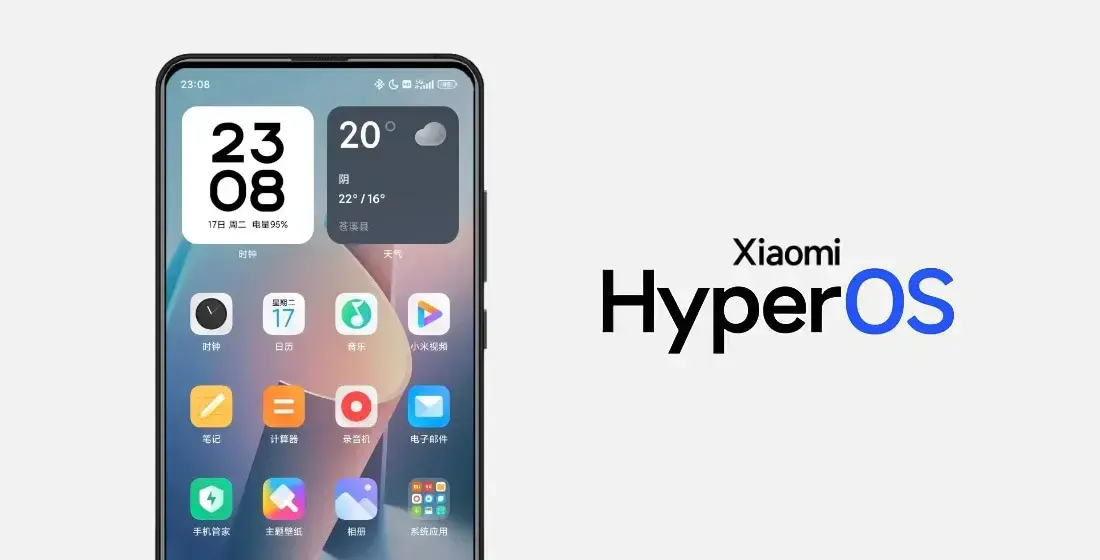
The flagship Xiaomi 15 lineup moved fast too. Global units picked up build OS3.0.6.0.WOCMIXM while Taiwan ran OS3.0.3.0.WOCTWXM instead. Different numbers, same security fixes underneath. Europe's EEA builds always diverge—the 15T Pro there uses OS3.0.13.0.WOSEUXM compared to OS3.0.11.0.WOSMIXM everywhere else.
Budget options like the POCO M6 and Redmi 13 series also made the cut. These phones share guts but wear different badges depending where you buy them.

Last Year's Models Still Matter
Phones running HyperOS 2 on Android 15 haven't been abandoned. The Xiaomi 12T grabbed updates across three markets—global, Russian, and Taiwanese builds all went live. Russia's running OS2.0.207.0.VLQRUXM while global markets got OS2.0.212.0.VLQMIXM. Same patch level, different version strings.
Even Android 14 devices scored updates. The whole Redmi Note 12 family—Explorer, Pro, Pro+ variants—received patches in Turkey, India, Indonesia, and Taiwan. The POCO X5 Pro 5G joined the party with an Indonesian release.
Tablets got some love too. Russia's Redmi Pad 2 Pro 5G and India's 4G version both pulled down fresh builds.
Grabbing the Update
Don't panic if yours hasn't appeared yet. Xiaomi staggers these releases deliberately. They push to small groups first, watch for problems, then expand gradually. Catches bugs before millions of phones install broken software.
Check manually through Settings, then My Device, then Xiaomi HyperOS. Nothing there? Wait three or four days. Batched rollouts mean identical hardware in different countries gets updates on different schedules.
Watching budget phones from 2023 get patches alongside 2025 flagships tells you something about support commitments. Plenty of manufacturers ditch older mid-range devices fast. Xiaomi keeps them current longer than most competitors bother with.
Popular News


Latest News
Loading