Foldable phones have gained popularity since Samsung and Huawei each
unveiled one for the first time in 2019. Samsung introduced the Galaxy Fold on
Feb. 20, and four days later, Huawei unveiled the Mate X. Both phones have been
the subject of considerable conversation for their ability to fold from a small
phone into a tablet.

Other companies, including Oppo and Xiaomi, also soon released foldable
devices. These devices attempt to combine the simplicity of a phone with the
expansive screen real estate of a tablet. Users can watch videos, edit files, or
play games on a larger screen without the heft of a tablet.
Early foldables had flaws. The first Galaxy Fold
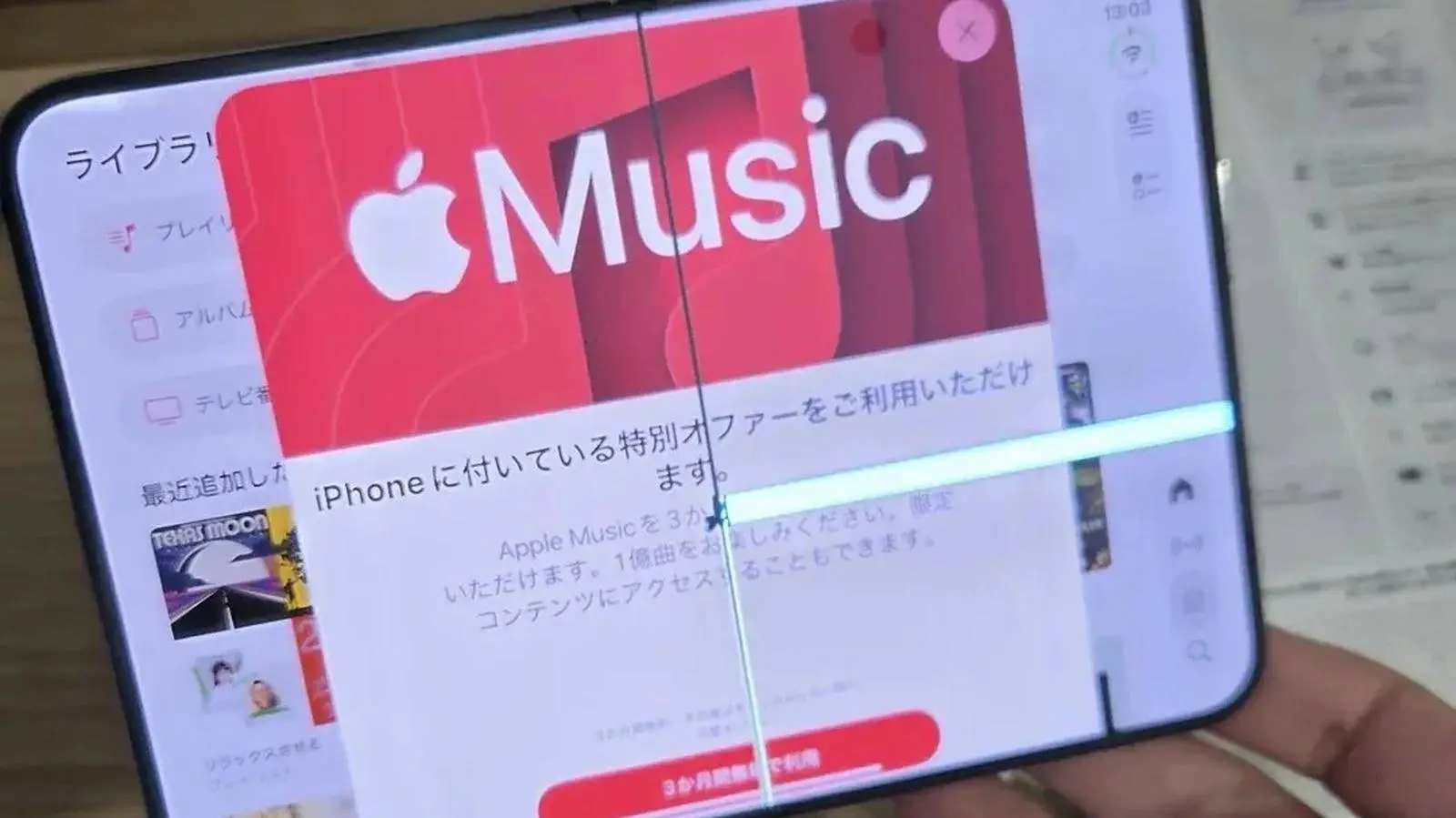
faced screen cracks and hinge issues. Huawei’s Mate X also had a bend that drew
concern. Still, firms kept working. The screens and hinges on the Galaxy Z Fold
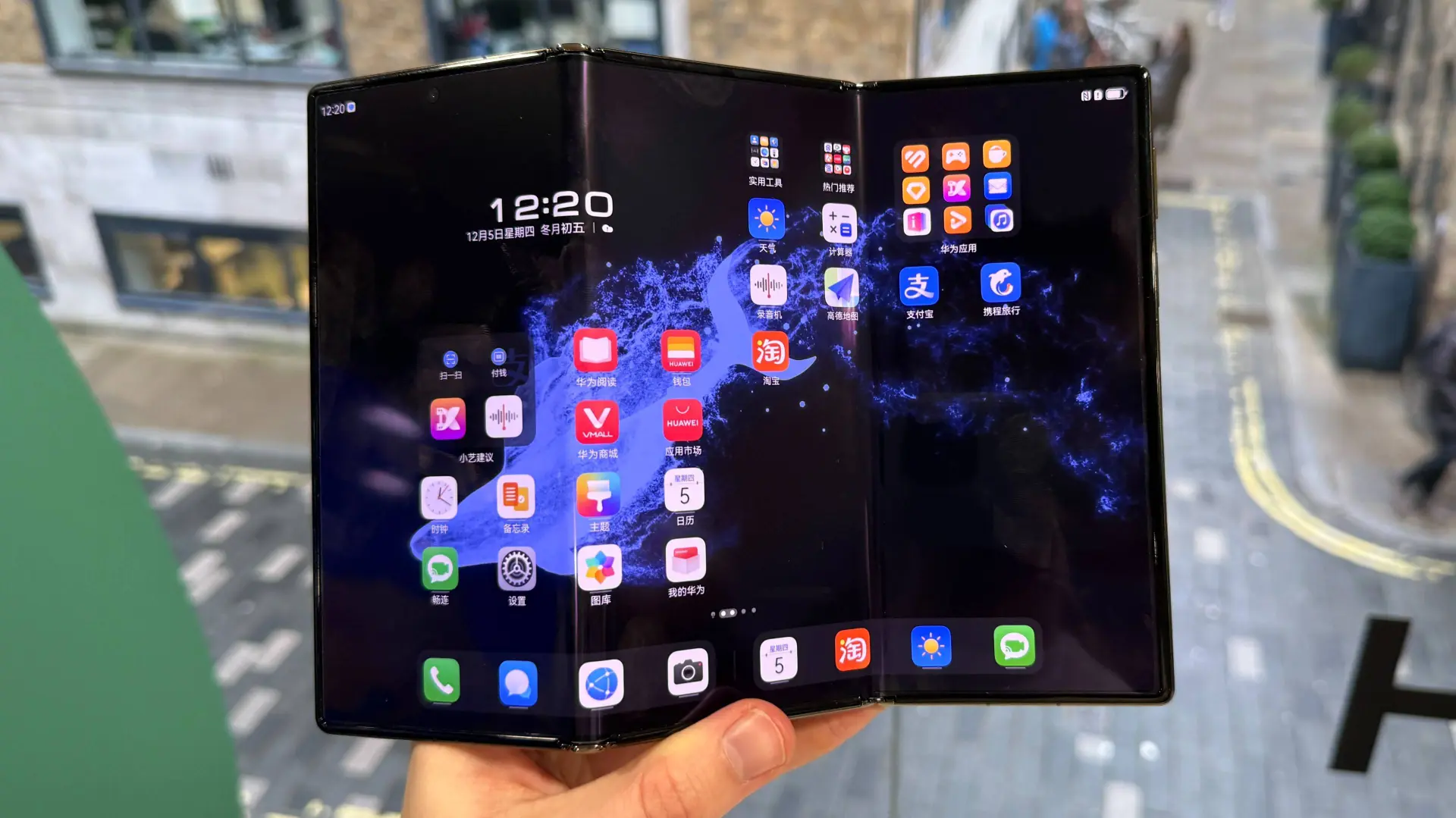
6 and Flip 6 are now smoother. The Mate Xs, Mate X2, and Mate XT from Huawei
have stronger hinges and are thinner. The crease issue is now almost a
non-issue. Oppo’s Find N series uses a small crease and a firm hinge. These fixes
show that foldables are more than just a test.
Consumers are drawn to foldables for style and
utility. A foldable phone can fit in a small bag or a large pocket when folded.
Some models even add multi-window support, letting users run apps at once.
Social media, maps, or mail can be used side by side, which is hard on normal
phones.
Tech and cost challenges
Foldables face high
prices. Samsung’s Fold 6 starts at about $1,800, and Huawei’s Mate X3 is
similar. Normal phones cost half that. High cost keeps foldables from wide use.
Also, foldable screens still risk marks where the fold happens. While tech has
improved, a phone with a crease may feel odd to some buyers.
Durability is also
key. Normal phones last for years with few issues. Foldables are more complex, with
extra parts that can fail. Hinges, thin screens, and flexible glass are new
tech. Users need care to avoid dust or drops. Cases and repair costs are higher
than for normal phones.

Battery life is
another concern. Foldables often need two batteries or large stacks to cover
big screens. This adds weight. A heavy or thick phone can feel less handy,
which may turn buyers off.
Still, tech keeps
growing. LG and Samsung patents show screens that fold in more ways, even roll
or bend at two points. If firms cut costs and boost life, foldables may become
more common.
Real-life use and appeal
Foldables appeal to
some groups more than others. Creators and gamers like wide screens for video,
photos, or games. Business users like multi-task screens for mail, docs, and
calls. For these users, foldables offer more than just a new look.
Flip-style phones
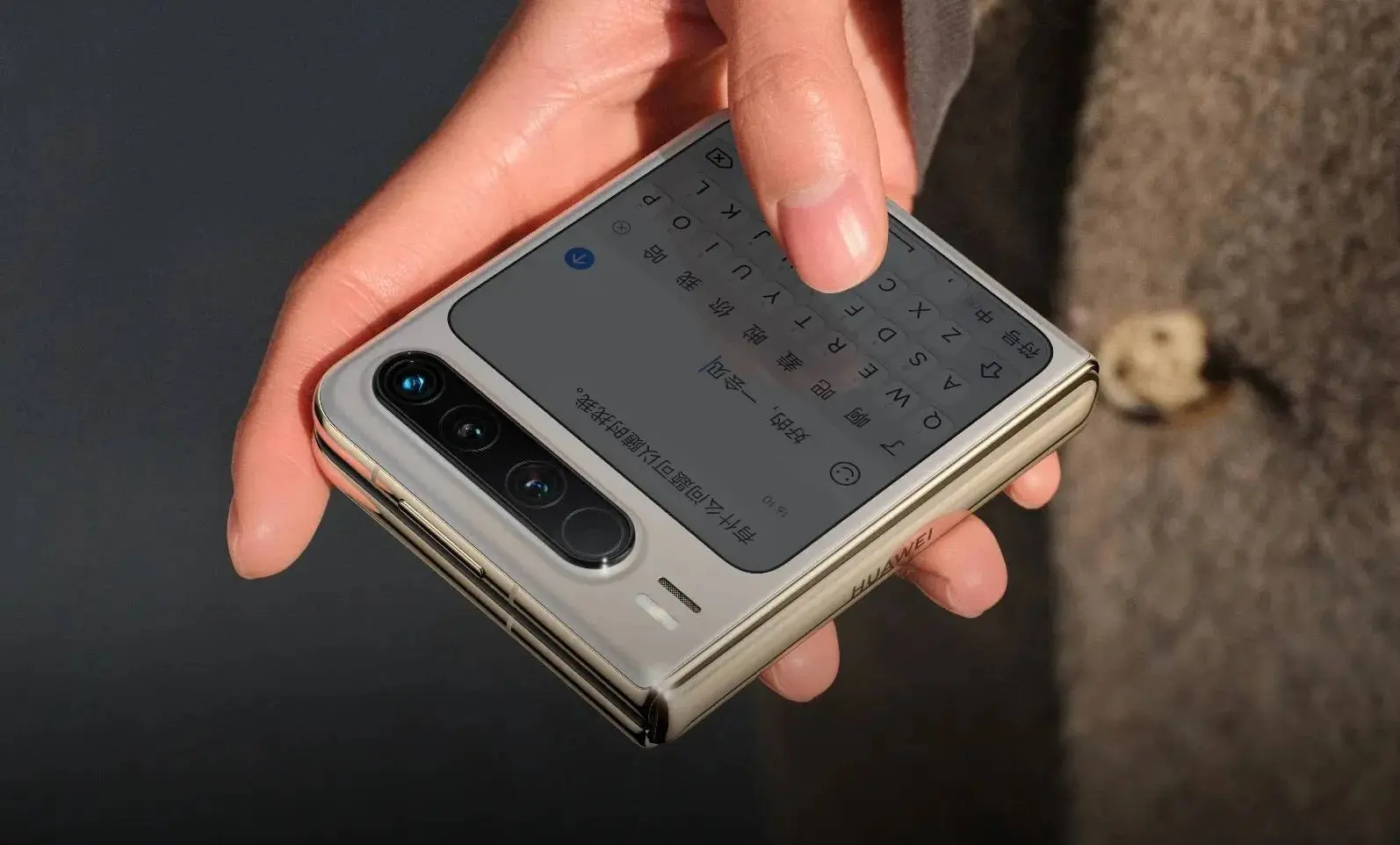
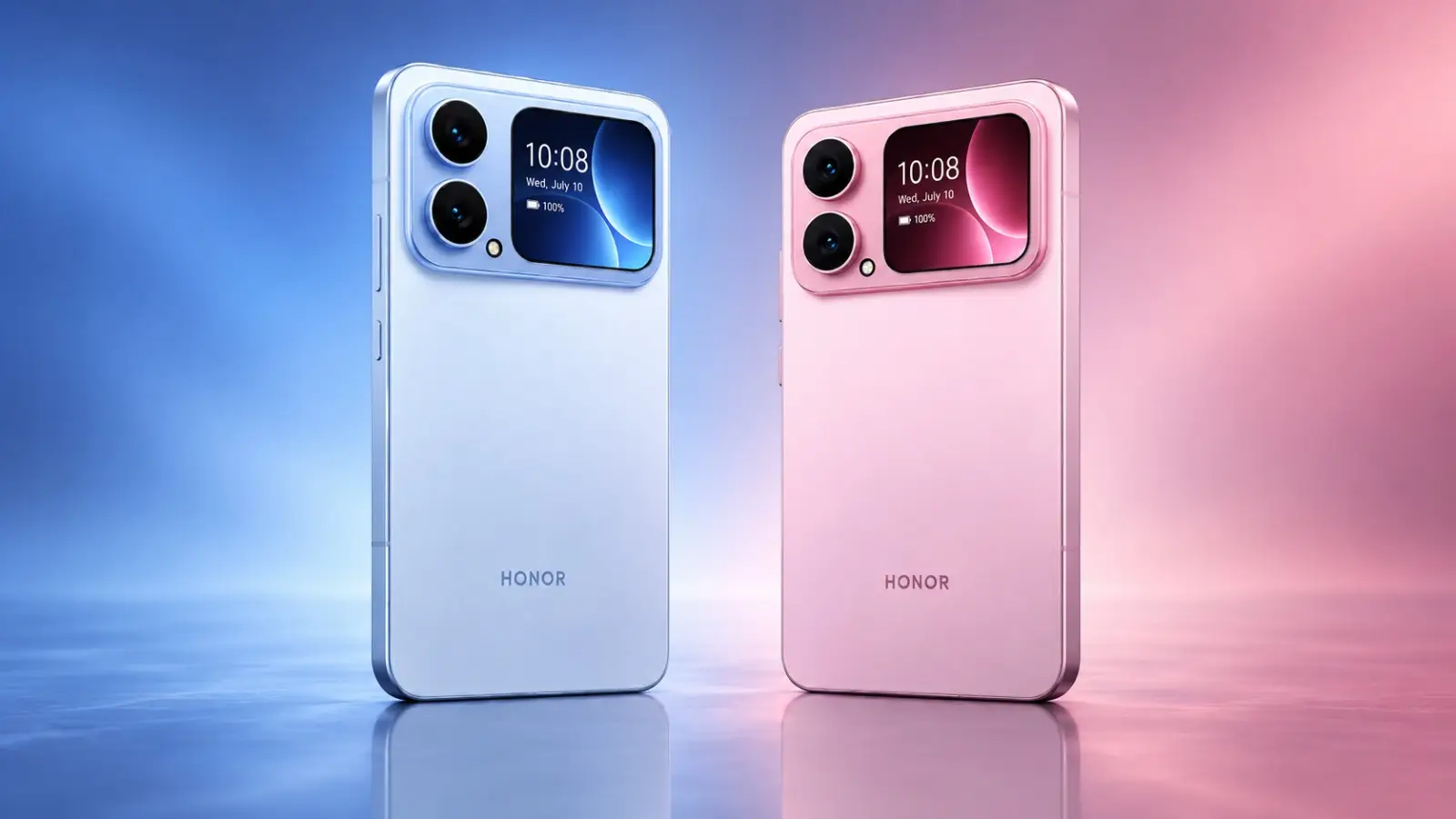
also give a nod to style. Samsung’s Z Flip 6 folds to half its size and can be
used for selfies or quick apps. This design draws young buyers who want a mix
of tech and fashion. Huawei’s Mate X series folds out to a wide tablet, which helps
with reading or maps on the go.
Still, most buyers
stick to flat phones. iPhone and Pixel fans see foldables as fun, not a
must-have. Normal phones are thin, fast, and cheaper. Foldables are niche, even
in 2025. Market share is small, but growth is clear. Analysts say foldables may
reach 10% of the phone market in the next few years if cost drops and screens
last longer.
Firms like Samsung
invest in ads and stores to show foldables in real life. When people hold them,
the wide screen and unique flip feel clear. This is key to getting users to pay top
dollar. Reviews often praise utility and style but warn that phones are costly
and heavy.
Conclusion
Foldable phones aren’t a passing fad just yet.
Early glitchy, costly sputters curb mass adoption, but tech improvements,
improved hinges, and actual utility change that. Products like the Galaxy Z Fold
6, Flip 6, and Huawei Mate X3 are making foldables fit real use — from work to
play.
The fate of foldables could rest on cost, weight, and life span. The more
prices fall, and durability improves, the more users will switch. For now,
foldables are a blend of style, tech, and utility. Some view them as the new era
in phone design, while most still like the traditional flat phone.
The answer may just depend on how you use it yourself. If you care most
about a large screen or love to use more than one app at the same time,
foldables could be worth it. And the rest may wait until prices drop or tech
matures. For now, foldables are a blend of charm and challenge, with real
promise if companies keep stretching boundaries.
Popular News
Latest News
Loading