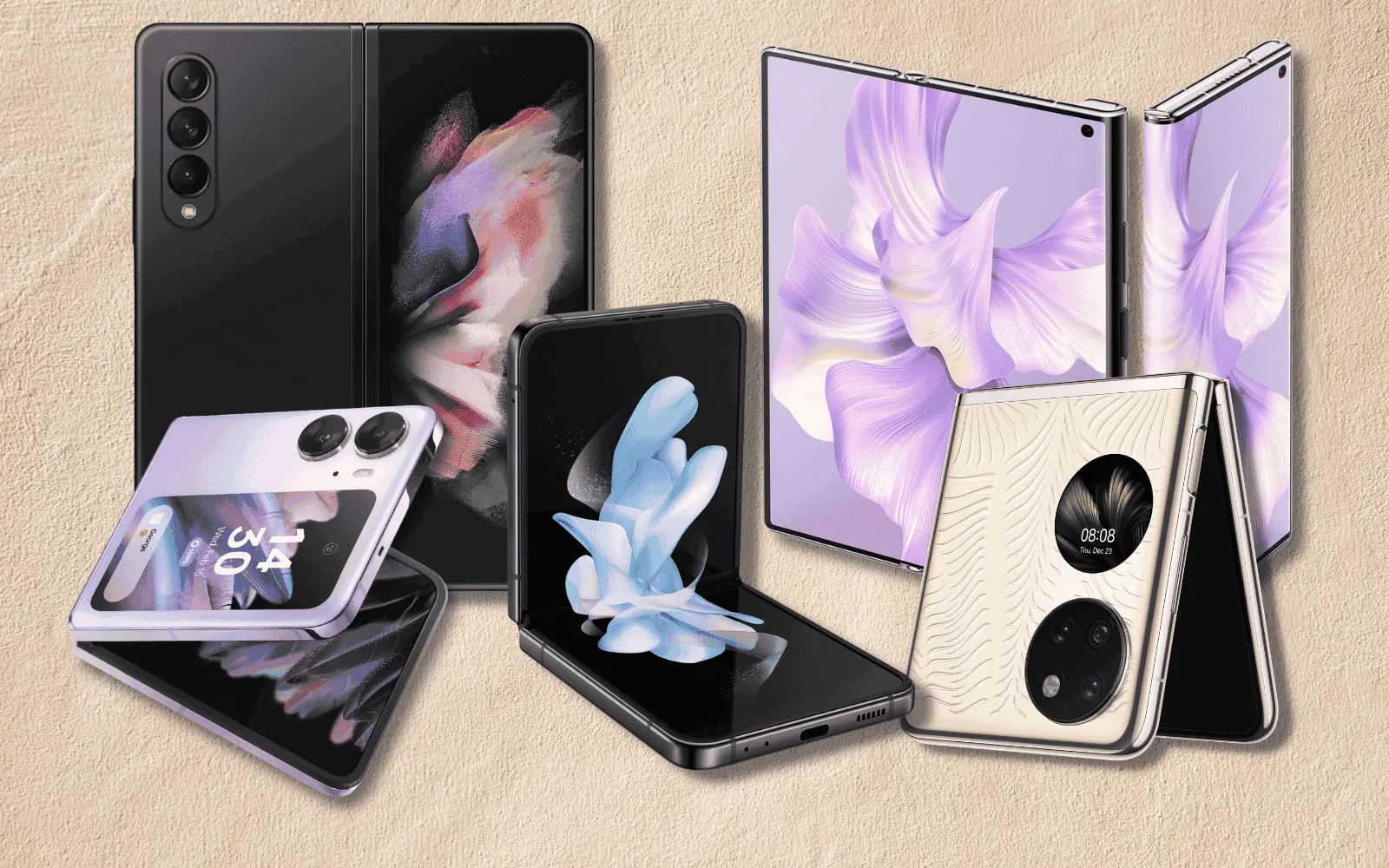
Foldable phones have come a long way in just a few years. Early models felt fragile and experimental, but newer devices are tougher.
Crease-free displays and improved hinges now make them look more polished
than before.
In fact, many foldable smartphones now show better durability in drop tests
and stress tests.
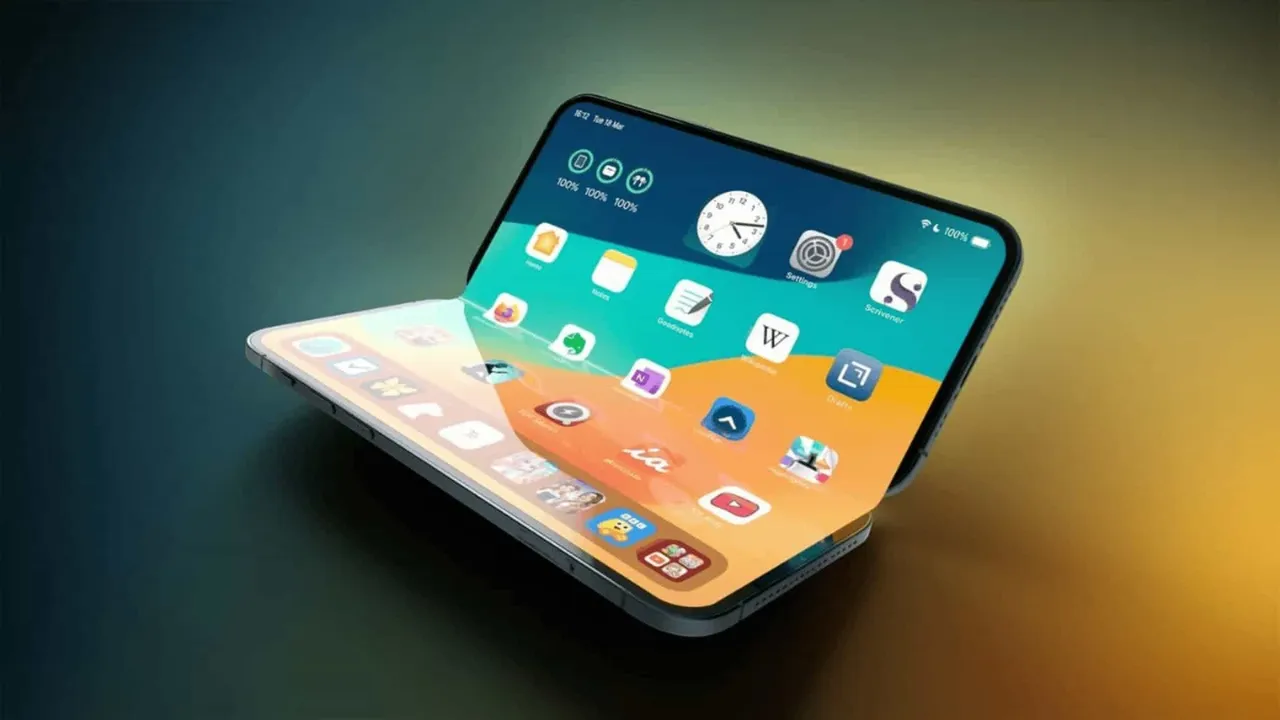
On the surface, it seems like foldables are finally ready for the mainstream
market.
However, it is important to note that durability
alone does not make a phone useful.
The big problem remains the same: software still struggles to justify the
foldable design.
Read also
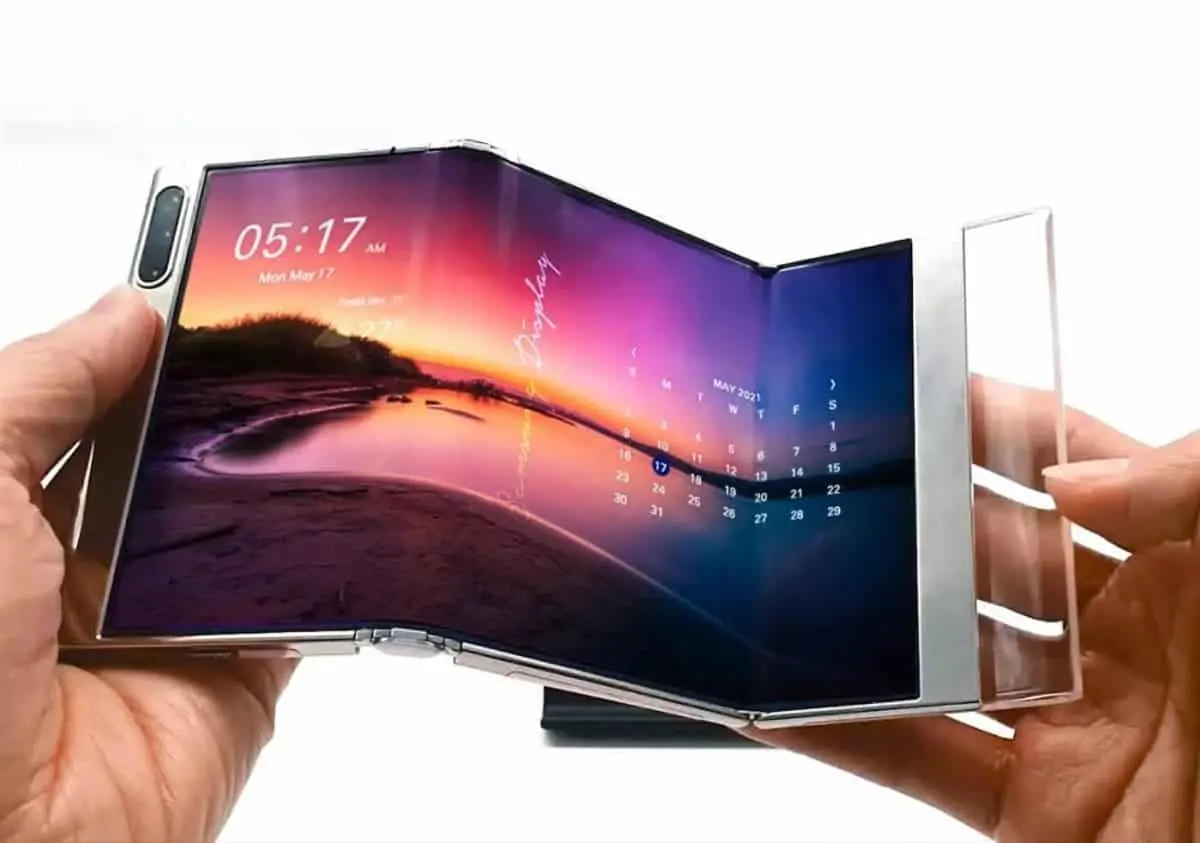
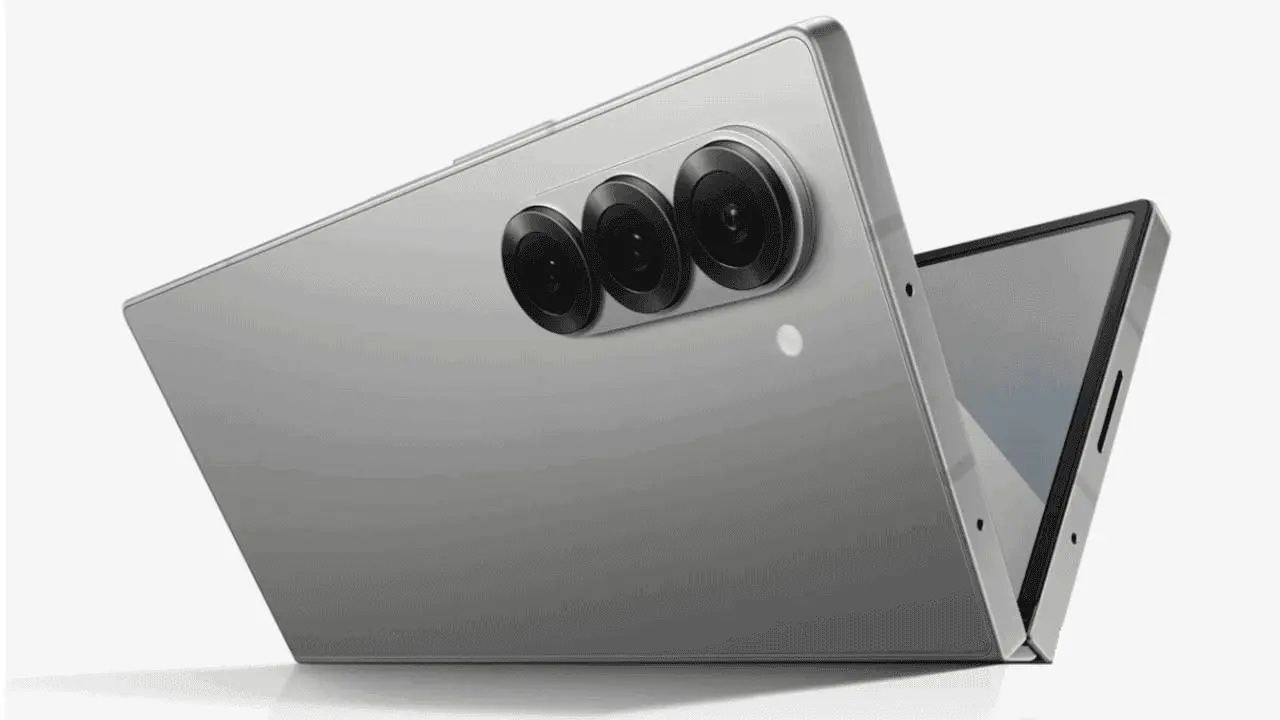
The promise of foldables
When foldables first launched, the pitch was
clear. They would combine the portability of a phone with the screen size of a
tablet.
Fold the phone for easy carrying, unfold it when you want more room. It
sounded perfect for multitasking, reading, or watching videos.
Many buyers imagined the device would change
how they worked and played. They expected unique experiences that a flat phone
could never offer.
The progress on the hardware
Manufacturers have done serious work on the
hardware side. Hinges now last longer and resist dust better.
Screens look smoother, with less visible creases. Some models even use
ultra-thin glass that bends without breaking.
This progress matters because durability was
the biggest concern in the early days.
No one wanted to pay a premium price for a phone that broke easily. Now
foldables finally feel like they can survive daily use without babying them.
The missing piece is the software
Hardware may have improved, but software has
not caught up. Most apps still treat a foldable like a normal phone.
When you unfold the larger display, many apps simply stretch out. You get
more space, but not more value.
True multitasking features exist, but they
often feel clunky. Splitting the screen into multiple apps is possible, but
switching between them is awkward.
Few apps take advantage of the extra room to offer new layouts or tools.
This is the real frustration. The form factor
opens exciting possibilities, but the software rarely makes them feel
necessary.
The price problem
Foldables also remain expensive. Some cost
almost twice as much as a normal flagship phone.
That premium is harder to justify when the software experience feels
incomplete.
Therefore, many of the buyers are paying for prestige and not for any real
daily benefits.
For many users, a regular phone plus a tablet still makes more sense. You
get more reliable software, better app support, and often save money.
Can foldables find their purpose
The future of foldables depends on solving the
software problem. Hardware improvements will continue, but they can only go so
far.
People really need new ways to make use of the large screen, but for now, a foldable
phone does not feel like a real productivity tool.
The apps on this device need to be able to adapt automatically and show extra
panels, controls, or information when unfolded.
Games could use the extra space for split controls. Video calls could feel
more natural with smart layouts. These are the experiences that would justify
the higher price.
Until then, foldables remain in an awkward
space. They are strong enough to survive daily life, but still searching for a
reason to exist.
The bottom line
Foldable phones are no longer fragile toys.
They are durable, stylish, and technically impressive.
But durability without usefulness leaves a gap, and people do not buy phones
just to admire hinges or count fewer creases.
To win over the mainstream, foldables need
more than stronger hardware. They need software that makes the form factor
matter in daily life.
If the software to not work seamlessly, these devices will be just expensive
gadgets that people own to prove an irrelevant point.
Popular News

Latest News
Loading