This new Japanese tech could change how we store data forever and let future devices hold more than we ever imagined
newsMonday, 08 September 2025 at 10:46
Researchers
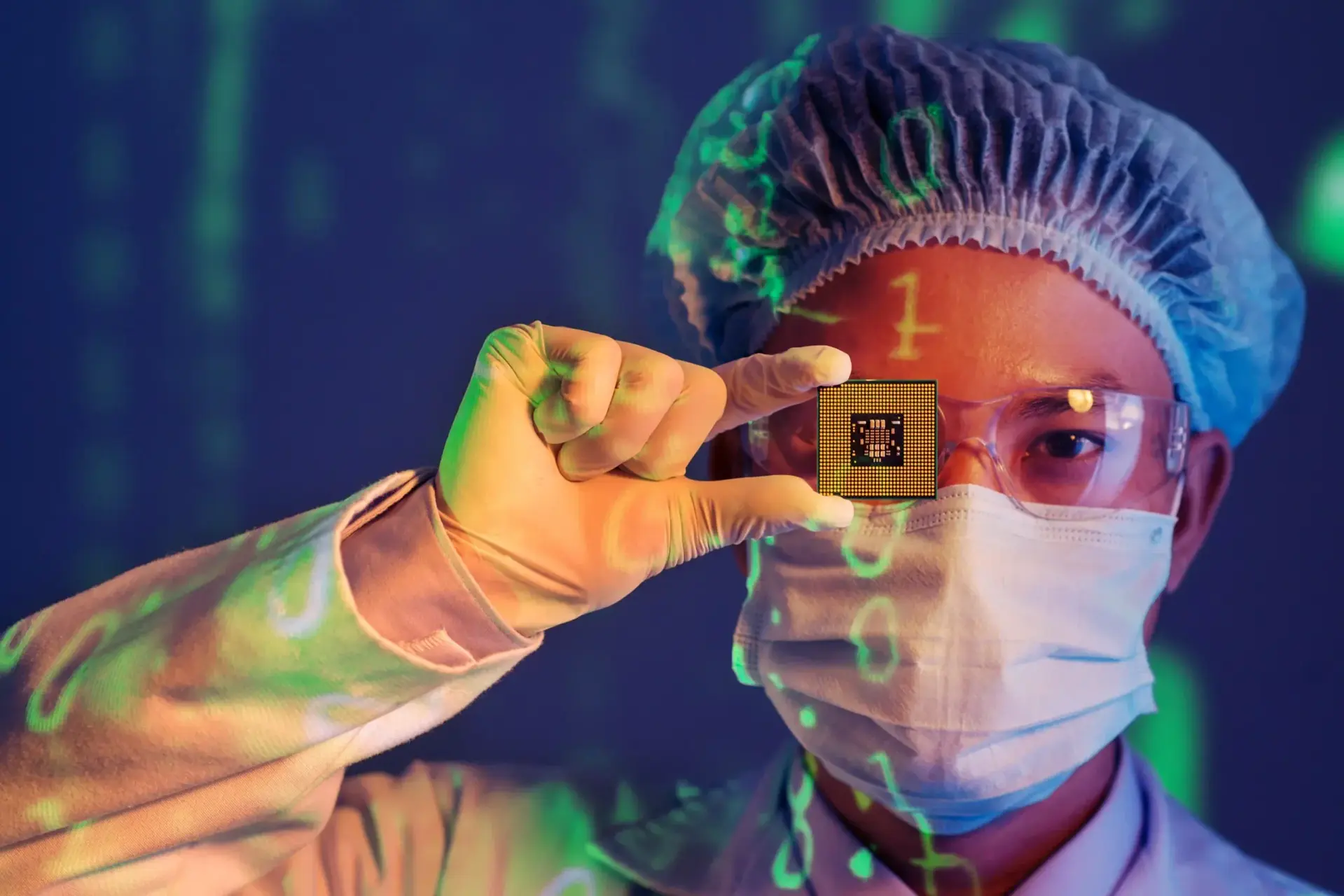
at the Institute of Science Tokyo, have made a leap in memory technology.
The team
created a material built on tiny molecules that can flip positions like
switches.
These
“molecular rotors” are stable even in high heat, a feature that could
eventually lead to ultra-dense storage devices.

For
decades, scientists have tried to build materials that can store data at a
molecular level.
The idea is
simple but hard to achieve: molecules that flip to represent ones and zeros.
The real
challenge has always been keeping those molecules steady and useful outside of
a lab.
The hurdles that held progress back
There are
four key things these rotors must do.
They must
flip under an electric field, stay put at room temperature, have enough space
to move, and survive extreme heat.
Meeting all
these requirements in one material has proven nearly impossible.
Professor
Yoichi Murakami and his team finally cracked it.
They
designed what is called a Covalent Organic Framework, or COF.
This
material has a crystal structure that gives each rotor space to spin without
bumping into its neighbors.
The rotors
also lock in place once flipped, making them reliable for storage.
Why this matters for memory
The
breakthrough is important because it brings us closer to non-volatile memory
that can store much more data than current chips.
The rotors
can flip freely at high heat above 200 °C but hold their positions at room
temperature.
Even more
impressive, the material has a reported thermal durability close to 400 °C.
That means
it can handle the kinds of stress real-world electronics go through.
It is a
step toward memory that is not just smaller but tougher.
Imagine
fitting huge amounts of data into tiny chips that still perform under harsh
conditions.
The road ahead
The path
from lab discovery to consumer technology often takes a long time.
Still, the
work of Murakami’s team clears a major roadblock that has stopped others for
years.
If this
line of research continues, future storage devices could pack far more data
into far less space.
The dream
of molecular-scale memory feels a little less like science fiction today.
Popular News




Latest News
Loading