Battery Life and Charging Innovations: Powering the Next Generation of Smartphones
EditorialWednesday, 24 September 2025 at 04:41
Battery life has always been the biggest thing about owning a smartphone. Seriously, who even cares how lightning-fast your processor is if the phone's totally dead at the halfway point of the day? It makes the whole performance basically worthless. That’s exactly why every single phone maker is frantically trying to find genius ways to cram more energy into these unbelievably thin gadgets.
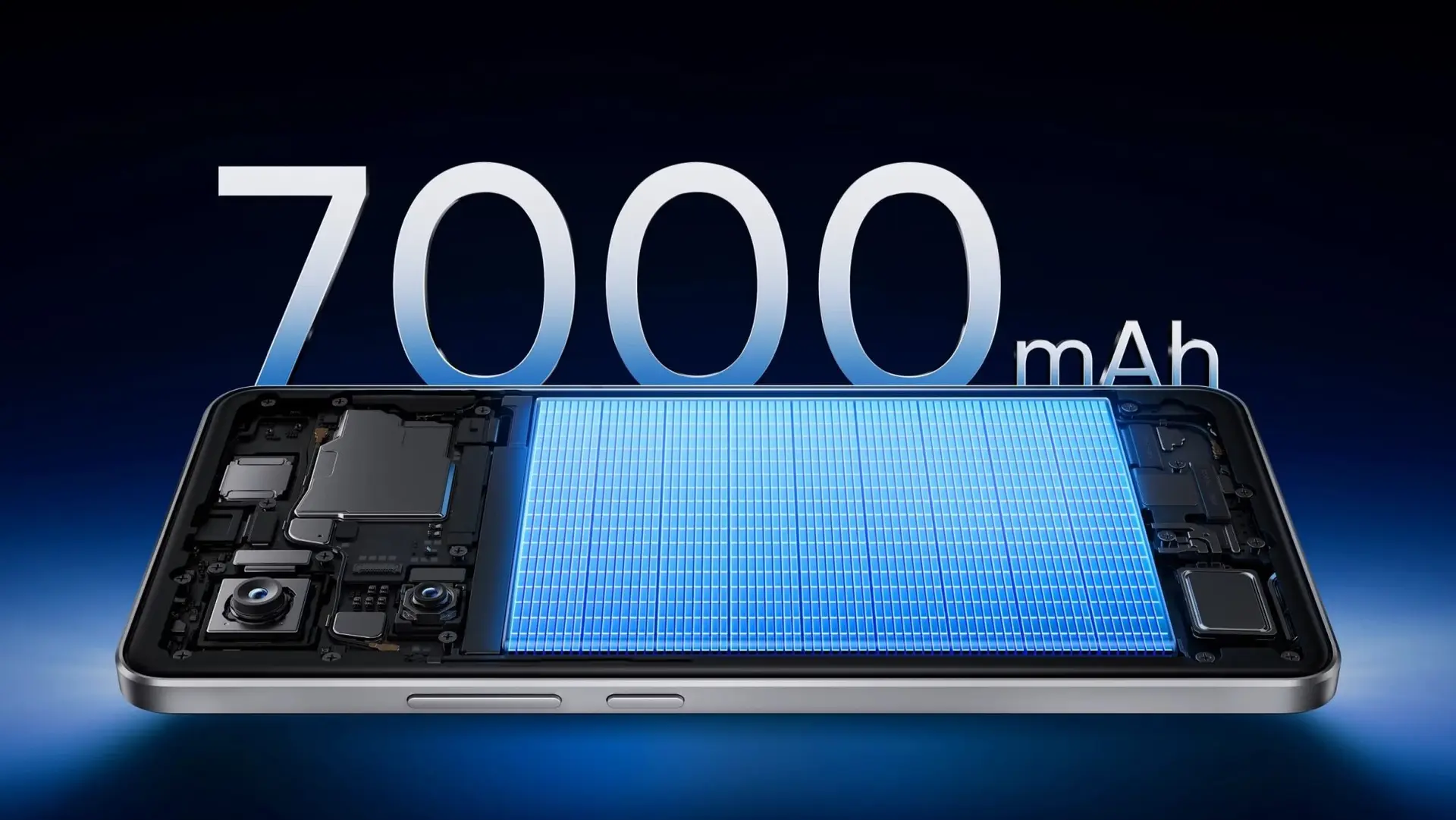
Lately, we’ve actually seen some massive cells. We're talking batteries hitting 5,000mAh, and this is just a common standard now. Some brands are going beyond, insane 7,000mAh and even 8,000mAh batteries. Combined with power-efficient processors, this is giving people a bunch of extra screen time. This is a HUGE relief for anyone who streams movies, plays those demanding games, or has to rely on their phone for work all day long. Good, right?
Charging Speed: It's Just Wild Now
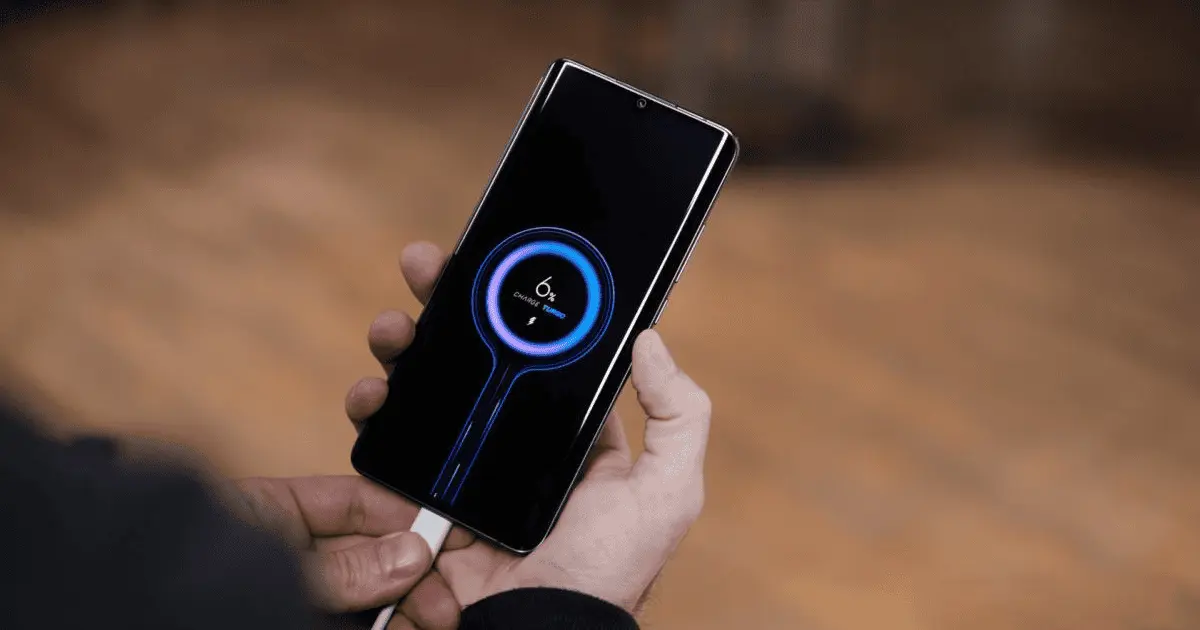
Okay, ditch the battery size for a sec. Fast-charging technology has genuinely gone completely bonkers. Some of the newest phones? They go from absolutely zero to full in under half an hour. That's not a drill. A Good battery life with fast-charging tech is the perfect combination nowadays.

Some brands, especially the Chinese ones, are pushing out 100W, 120W, and even faster speeds now. Think about it: a five-minute water break is enough time to power your phone for hours. Now, yeah, charging that fast makes the phone run hot. And if the heat isn't controlled properly, it could absolutely affect your battery's lifespan. But honestly, for most users, getting minutes instead of hours of charging time is just an essential upgrade. That speed is simply too valuable to ignore.

The Xiaomi 17 Pro Max Arrived with a 7,500 mAh Battery
The End of Cords: Wireless Power
Wireless charging is the other cool development changing everything. No more messing around with tangled cables or searching for that empty plug. You just place the phone down on a little pad or stand, and it just starts charging. So simple.
Read also
Sure, it's generally slower than the wired fast charging—we all know that—but it’s super handy for overnight charging or just keeping the juice flowing at your desk. Actually, some brands are now testing higher-watt wireless chargers that are really closing the gap with old-school cables. The future is here!
The Next Frontier: Silicon-Carbon Tech
The real breakthrough, though? You might not have heard of it. It’s called silicon-carbon batteries. This tech is a game-changer because it lets manufacturers fit even bigger batteries—like the 6,500mAh-plus monsters—inside slim phones without making them feel chunky or heavy. This has been breaking boundaries of battery life among flagships. And finally, we are seeing flagships with fast-charging and insanely large batteries.

battery life
This means users could get several days of heavy use with zero charging stress. Better yet, these new silicon-carbon cells are supposedly safer, they're more efficient, and they can handle that insane rapid charging way better than the old stuff. This is going to redefine longevity in smartphones. Period.

battery life
How to Pick the Best One for You
Choosing the right device can be a total pain because there are just too many features. So, what’s your priority? If you game heavily, you need the biggest capacity and the quickest charging to keep going. If you use your phone mainly for work, non-stop video calls, or serious multitasking, then pure endurance is key.

Redmi 15 with 7,000mAh Battery
Casual users might not need the biggest battery, but the convenience of fast wired and wireless charging is still a huge win for daily life. When you buy a new phone, you gotta look at your actual lifestyle first. Forget those endless numbers on the spec sheet!
Looking Ahead - Battery Life Finally is A Priority
Battery life and charging science are advancing at a crazy pace, but the core mission is straightforward: keep you connected for longer with zero stress. Bigger batteries, insanely fast wired charging, convenient wireless pads, and the new silicon-carbon science are giving us unlimited freedom. Running out of power? That might seriously become an obsolete problem very soon. And that'll let our smartphones finally be the truly reliable mini-computers we always dreamed of.
Popular News
Latest News
Loading