It's no secret that AI is the current trend in the tech world. The so-called Artificial intelligence is everywhere right now. It is pushing market innovation, attracting massive investment, and reshaping how everyone thinks about computing. On the surface, this all sounds like good news. We're seeing faster progress, smarter tools that now save us hours of workloads, and new technologies that usually benefit everyone. However, it seems that the unexpected is happening, and those who love technology are the first to suffer. If you are a PC gamer or a hardware enthusiast, there is a growing downside that is becoming harder to ignore. Memory prices are climbing, and AI is a big reason why.
The Imminent Rise of Memory Prices
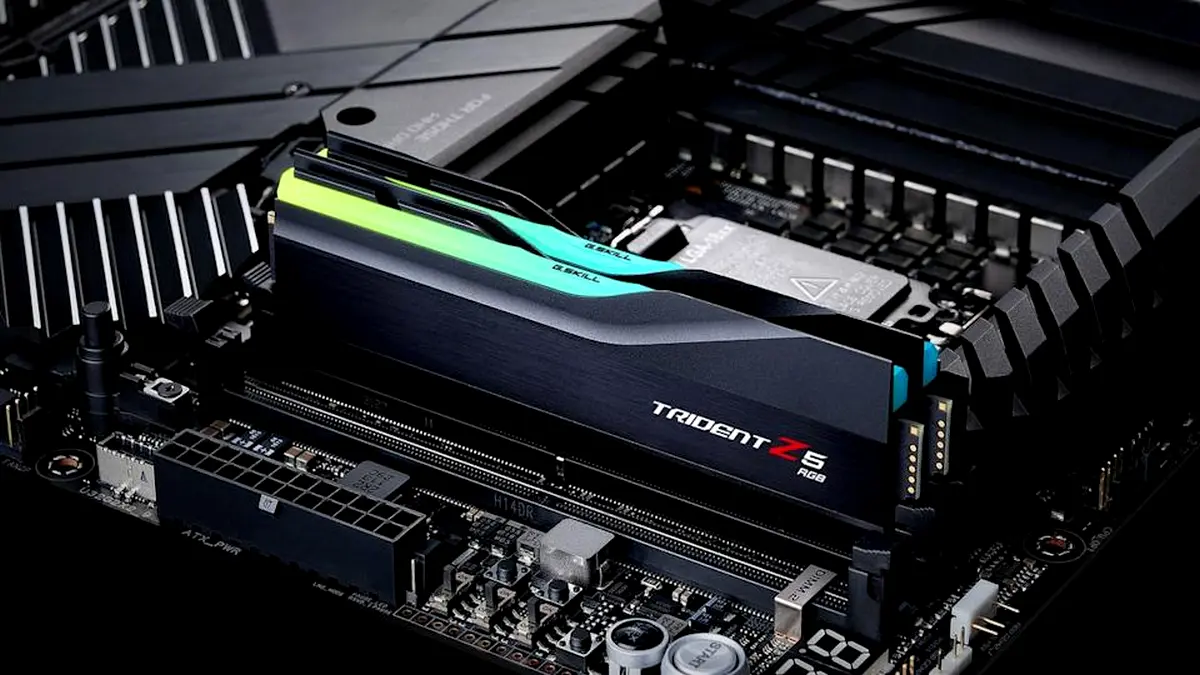
The current AI workloads are incredibly demanding when it comes to memory. Training models and running large-scale inference systems require huge amounts of fast, high-capacity RAM. Right now, Data centers are buying DDR5 in bulk, often in configurations that regular consumers never touch. For memory manufacturers, this market is far more attractive than selling affordable kits to gamers. As a result, they're now changing their targets.

Now, companies that produce memory chips are focusing more on enterprise and AI customers, because that is where margins are higher, and demand is always guaranteed. Unfortunately, consumer DDR is no longer the main focus. When supply is redirected, and demand remains strong, prices go up. This is basic economics, and PC users are already paying the price.
From the Least Painful to The Most Expensive Part of a PC
For a long time, RAM was the least painful upgrade in a gaming PC. If your system felt sluggish, you added more memory and moved on. That is no longer the case. What used to be a comfortable 16GB setup is now starting to feel tight in modern games, especially with background apps, launchers, and streaming tools running at the same time. For some gamers, the 32GB mark is becoming the new sweet spot. We thought that this would become the norm in the next years, but now, we don't even know if 16GB will be the norm among entry-level PC users.
The rise in the price of DDR5 RAM, and the imminent end of the DDR4 tech, which also pushes the price of DDR4 sticks to higher heights, threatens for many users, the dream of building a nice setup. The current demand for AI hits budget builders. Building a balanced PC today costs more than it should, not because games suddenly need exotic hardware, but because memory pricing is being pulled upward by forces outside the gaming world.

The 2020 Hardware Crisis is Back, But This Time We Are Hopeless
This crisis might remind you of the shortage of chips that ravaged the market after the COVID-19 pandemic. Believe in me, the situation is worse now. There is no forecast of change, AI will keep being a trend, and will ask for more and more.
People who enjoy modding games, running emulators, editing video, or experimenting with home servers are caught in the middle of the struggle. These users benefit from higher memory capacities, but now they are competing for supply with AI companies that buy in quantities measured by racks, not kits. How can we beat these companies and attract the interest of manufacturers back to consumers? The answer is simple and straight: We can't.
There is also a long-term concern that should not be ignored. AI is not a temporary trend like crypto mining was. It is becoming a permanent part of the computing landscape. That means sustained pressure on memory production for years, not months. If manufacturers continue to favor enterprise customers, consumer DDR prices may never return to the levels people were used to.
Read also

Building a PC Will Be A Thing For enthusiasts, and Budget Laptops and Smartphones Will Get Less Memory In The Future
Platform transitions make this even worse. New CPUs and motherboards are fully committed to DDR5, and future platforms will push higher capacities as the norm. If memory keeps getting more expensive, upgrading a PC will feel less like an enthusiast hobby and more like a luxury.

We have seen this story before with GPUs. When demand exploded from outside gaming, prices went out of control and stayed there for far too long. Memory is now following a similar path, just more quietly. Unfortunately, this not only affects consumers willing to build or upgrade their computers. If the demand is too high, and big enterprises get the merrier part, the consumer market will soon be left with the remainder. We may see budget laptops and even smartphones going backwards in progress, shipping with less RAM and storage.
Highlights
- AI workloads are driving huge demand for DDR5 memory, especially from data centers
- Memory makers are prioritizing enterprise and AI customers over consumers
- DDR prices are rising, and PC gamers are already feeling the impact
- RAM is no longer a cheap upgrade, with 32GB becoming the new comfort zone for gaming
- The transition to DDR5 and the slow phase-out of DDR4 are pushing prices even higher
- Budget PC builders are hit the hardest, making balanced builds more expensive
- This situation is worse than the 2020 hardware shortage, with no clear end in sight
- AI is a long-term trend, meaning memory pressure could last for years
- PC building risks becoming a luxury hobby, not an accessible one
- Budget laptops and smartphones may ship with less RAM as consumers get lower priority
- Best short-term advice: buy RAM deals early before prices climb further
Conclusion
While the concern is real, this does not necessarily mean AI should stop or slow down. Progress always reshapes markets. But it does mean PC gamers and enthusiasts are once again being asked to absorb the cost of a boom they did not create.
For now, awareness matters. Planning upgrades carefully, choosing platforms with better longevity, and understanding why prices are rising can at least help soften the blow. The AI revolution is moving fast. The real question is whether PC gaming can keep up without becoming collateral damage along the way. Unfortunately, if you're willing to buy a PC with modern DDR5 or even DDR4, the best advice I can give is to enjoy any offer you see and do it before the prices rise more and more.
Popular News


Latest News
Loading