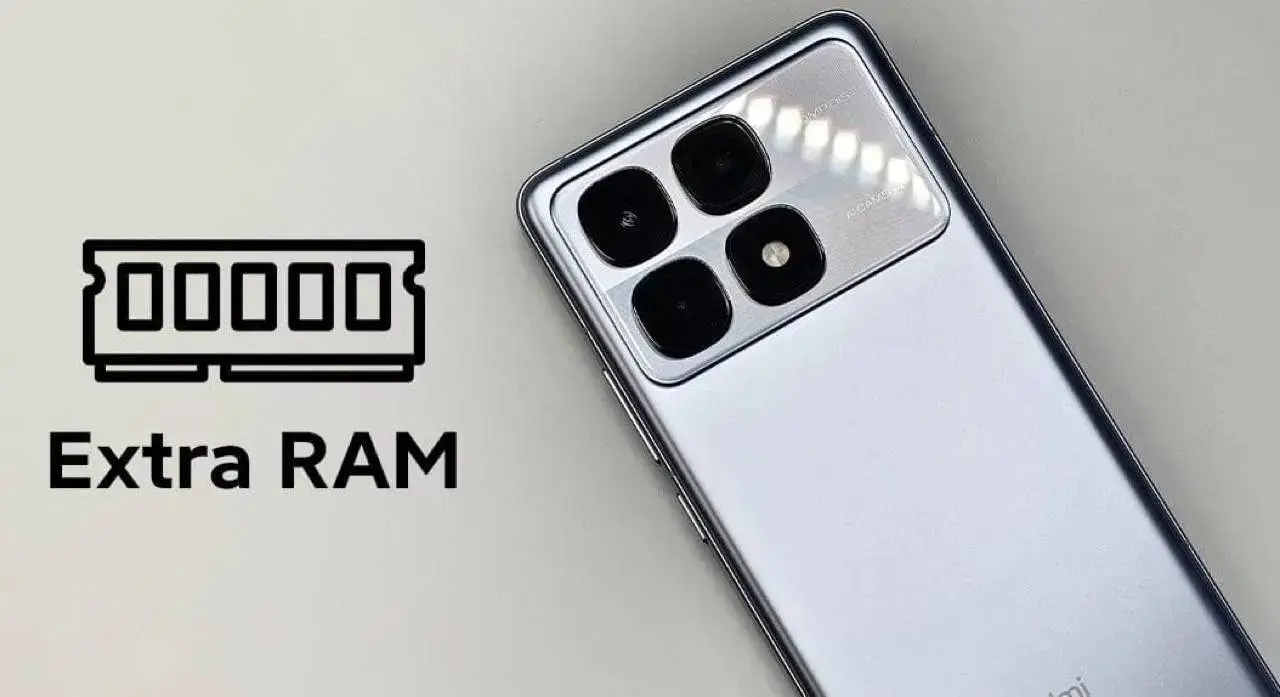
Bad news for anyone planning to buy a new phone in 2026. A new market report from TrendForce—that's the market survey firm—paints a pretty rough picture for the global smartphone and laptop markets. Why? Because the cost of memory is projected to shoot way up starting in early 2026.

This is a huge problem. It affects how much products cost, of course. But also, what specs they include. Especially in the cheaper, mid-range phone sectors. Turns out, memory is now eating up a much bigger chunk of the total Bill of Materials (BOM) cost. Brands are definitely thinking about downgrading specifications just to keep prices sane.
Memory Costs Are The New Problem
TrendForce basically thinks that DRAM—that's the memory inside your phone—is going to take up an increasing chunk of the BOM throughout 2026. Even the iPhone, which is known for its super-high profit margin, will see this trend.
But it's Android makers that are in a tight spot. They often use high amounts of memory—like 12GB RAM—as a major selling point in their mid-range series. This is a huge thing for Xiaomi, where 12GB RAM is a common setup in their popular mid-range lines. With memory costs going up, that key feature might disappear.

What This Means for Android Phones
The report points out that companies like Xiaomi will struggle to maintain their competitive pricing. When DRAM prices keep climbing, companies have two main choices:
- Raise Prices on all the new models.
- Cut Specs.
Analysts suggest that those popular segments—the ones that usually have 8GB and 12GB of RAM—might actually go back to lower, more "baseline" specs. That's a huge step backward, really.
The most affected will be the low-end smartphone market. They are expected to return to using only 4GB RAM in 2026. That's a major cut for budget buyers.
Laptops Are Also Impacted
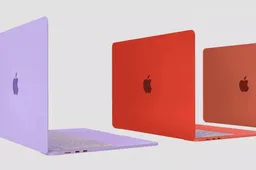
It's not just phones! Computer manufacturers are going to have to totally rearrange their product lineups. Laptops with soldered RAM—like high-end ultrabooks—can't easily cut down the memory size. These models, therefore, are expected to see the biggest and most immediate jump in price.
Consumer laptops might get a temporary break. They have some inventory buffers and access to some older, cheaper memory stock. But that's only temporary. By the second quarter of 2026, those specification cuts or price hikes are going to be unavoidable, even for budget laptops.
The Bottom Line: Reduction is Coming
The TrendForce report makes the future clear. Reducing specifications or delaying upgrades will be the main way smartphone and PC makers deal with this. They are likely to standardize memory on the "lowest acceptable level" for whatever market segment they are targeting.
- High-end and Mid-end Smartphones: The RAM upgrades will slow down significantly, sticking close to the minimum accepted levels.
- Low-end Smartphones: Expected to drop back down to 4GB RAM in 2026.
This will absolutely change what customers expect when they buy a new mid-range or budget phone next year. The 12GB mid-range phone might be a thing of the past.
Key points
- TrendForce forecasts a sharp increase in DRAM memory costs starting in early 2026, impacting BOM costs for smartphones and laptops.
- Xiaomi is specifically affected because 12GB RAM is a common and important selling point in their popular mid-range phone series.
- Manufacturers are expected to counter the cost surge by reducing specifications (downgrading RAM) and/or increasing product pricing.
- The low-end smartphone market is expected to see base models return to 4GB RAM in 2026 to maintain competitive pricing.
- The laptop market will also be hit, with high-end ultrabooks featuring soldered RAM expected to see the most immediate and significant price increases.
Popular News


Latest News
Loading