The Dark Side of Smartphone Specs: When More Isn’t Always Better
EditorialWednesday, 22 October 2025 at 04:14
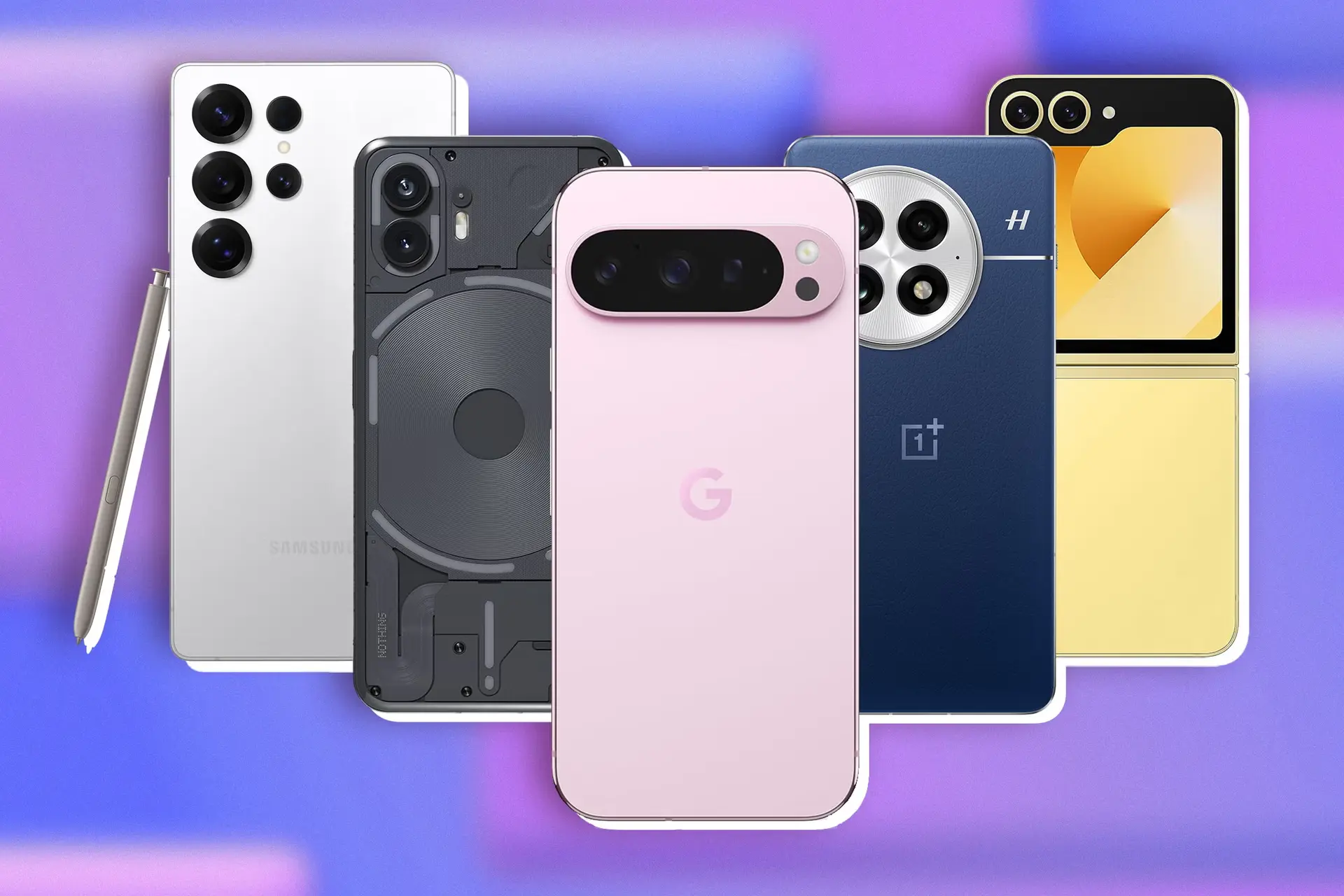
Smartphones keep getting more powerful every year. Bigger cameras, faster processors, higher screen refresh rates. On paper, it sounds great. But in real life, more does not always mean better. Some devices focus too much on numbers instead of making life easier for the user. If you are not careful, you can end up with a phone that is flashy but frustrating.
Mega Cameras That Don’t Always Matter
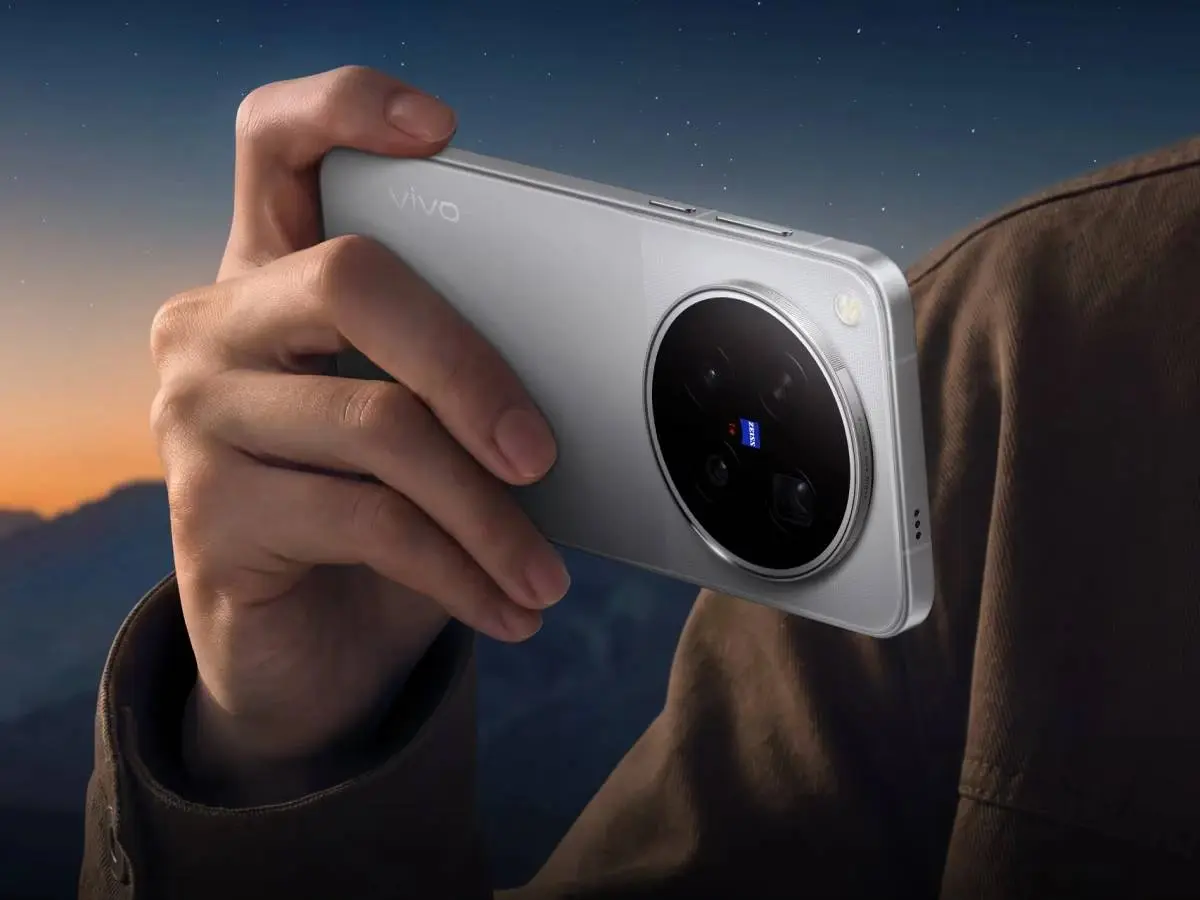
Some smartphones now have cameras with 200MP sensors or multiple lenses stacked together. That sounds impressive, but most people will never notice the difference on their phone screens. Larger cameras also produce huge photo files. That slows down the phone and fills the storage quickly.

The good news is that there are ways to make high-megapixel cameras useful. Many phones now offer AI photo optimization. This feature automatically adjusts exposure, color, and sharpness. That means even if the camera is massive, you can still get great photos without worrying about settings. Another tip is to use cloud storage. It keeps your phone fast while saving large photo files online.
High Refresh Rates vs. Battery Life
High-refresh-rate screens are everywhere now. Some phones offer 120Hz, 165Hz, or even 240Hz. These screens feel smooth and responsive, especially when scrolling or gaming. But higher refresh rates can drain your battery quickly. Not everyone will notice the difference between 120Hz and 165Hz, so it can feel like wasted energy.
There are solutions. Many smartphones use adaptive refresh rate technology. This feature adjusts the screen speed depending on what you are doing. If you are reading a static page, the screen might drop to 60Hz. If you are gaming, it can go back to 120Hz or higher. That way, you enjoy smooth visuals without draining the battery all the time.
Big Batteries Do Not Always Mean Longer Use
For some years, smartphone makers have been running to advertise giant batteries. This gained traction in 2025 with the rise of the SI-C battery tech. It allows smartphone OEMs to raise their efforts with super-large batteries, sometimes over 8,000mAh. That sounds like a dream for heavy users. But if the software is not optimized, even a big battery can run out quickly. Background apps, notifications, and poor power management can reduce the benefit of a large cell.

The solution is smart battery management. Most modern phones now include features that put unused apps to sleep and reduce background activity. Users can also turn on battery saver modes during long days without access to a charger. That way, a big battery truly lasts longer, and you do not have to worry about running out.
Processors: Numbers Do Not Tell the Whole Story
Flagship phones compete with benchmark scores, often boasting faster processors than ever before. However, a slightly slower chip can sometimes feel smoother. Performance depends on software optimization, RAM, and system stability, not just raw numbers.
Read also

You can mitigate processor limitations by using lightweight apps, clearing caches, and avoiding unnecessary background processes. Manufacturers are also improving optimization so that even mid-range phones can handle daily tasks smoothly.
Spec Hype vs. Real Value
Phones with huge cameras, fast screens, and giant batteries often cost much more. Many users pay hundreds extra for features they may never use. A balanced phone with good battery, decent camera, and smooth performance may actually be better for everyday life.
The key is to focus on your real needs. If you scroll social media, watch videos, or send messages, you do not need a 200MP camera or 240Hz screen. If you play heavy games, then investing in higher specs makes sense. Understanding your habits prevents overspending and disappointment.

Choosing The Right Smartphones For You
Phones should make life easier, not just look impressive on a spec sheet. For every high-spec feature, there is usually a way to make it practical. AI enhancements, adaptive refresh rates, smart battery management, and software optimization all help turn impressive numbers into real benefits. The best phones balance power, usability, and battery life rather than chasing specs for the sake of marketing.
When buying a phone, focus on your real needs, not just the specs. Ask yourself:
- Do I really need a 200MP camera?
- Do I play heavy games or just scroll social media?
- Will I notice a 165Hz screen over 120Hz?
- How important is battery life for me?
At the end of the day, a phone is a tool. It should fit your life, not complicate it. Big cameras, high-refresh-rate screens, and massive batteries can be great, but only when paired with smart software and good design. That is the future we should look for: smartphones that are powerful, efficient, and truly helpful.
Popular News
Latest News
Loading