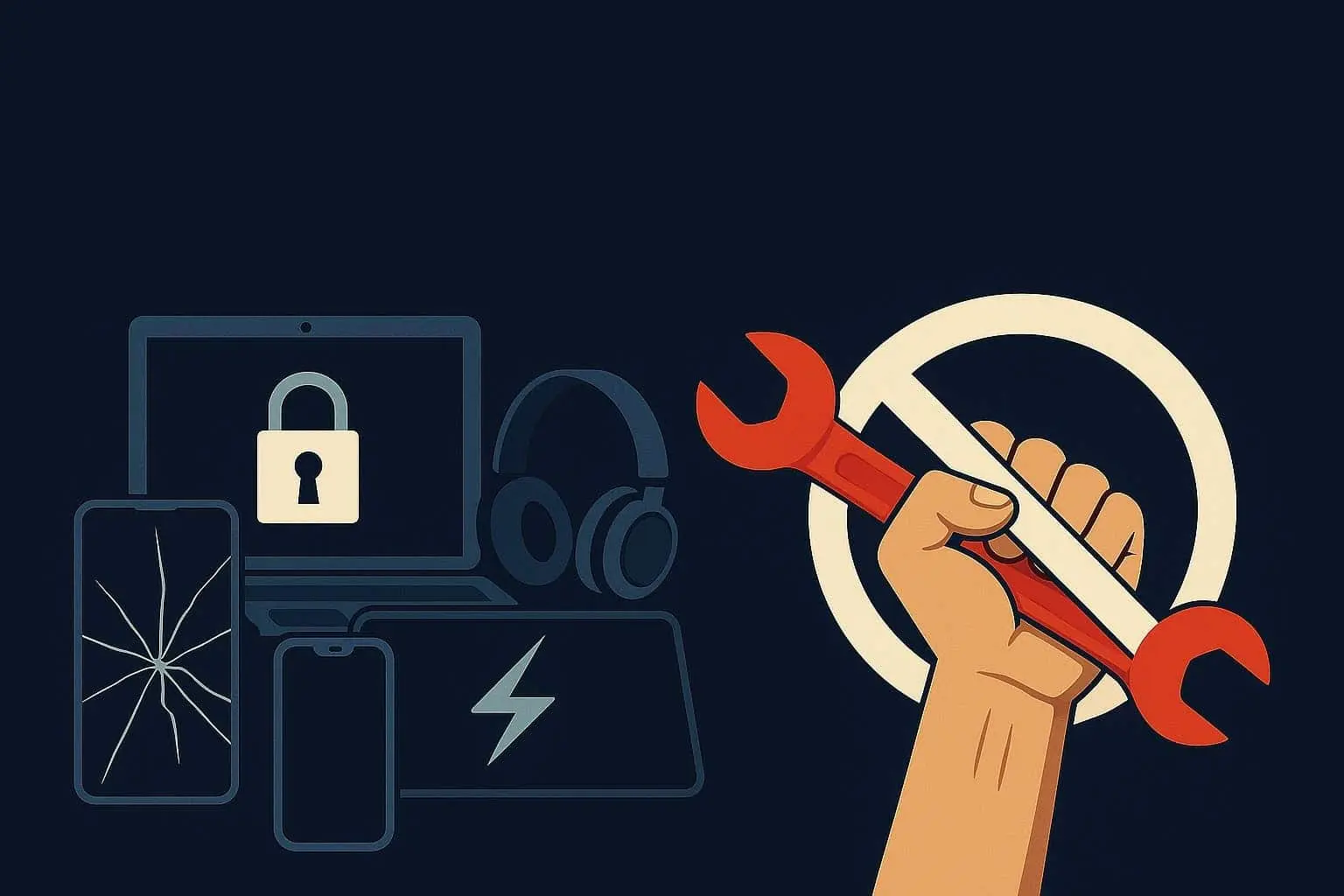
Not long ago, buying a gadget was simple. You paid for it, brought it home, and it was yours. If something broke, you fixed it. If you wanted to keep it running for ten years, you could. Computers, phones, and consoles were open enough that you could upgrade and repair them. Those days are fading. Modern devices are locked down and full of limits. They often push you to buy something new long before the old one stops working. With the advent of subscription services for almost everything, true device ownership is slowly dying.
When Your Phone Isn’t Really Yours
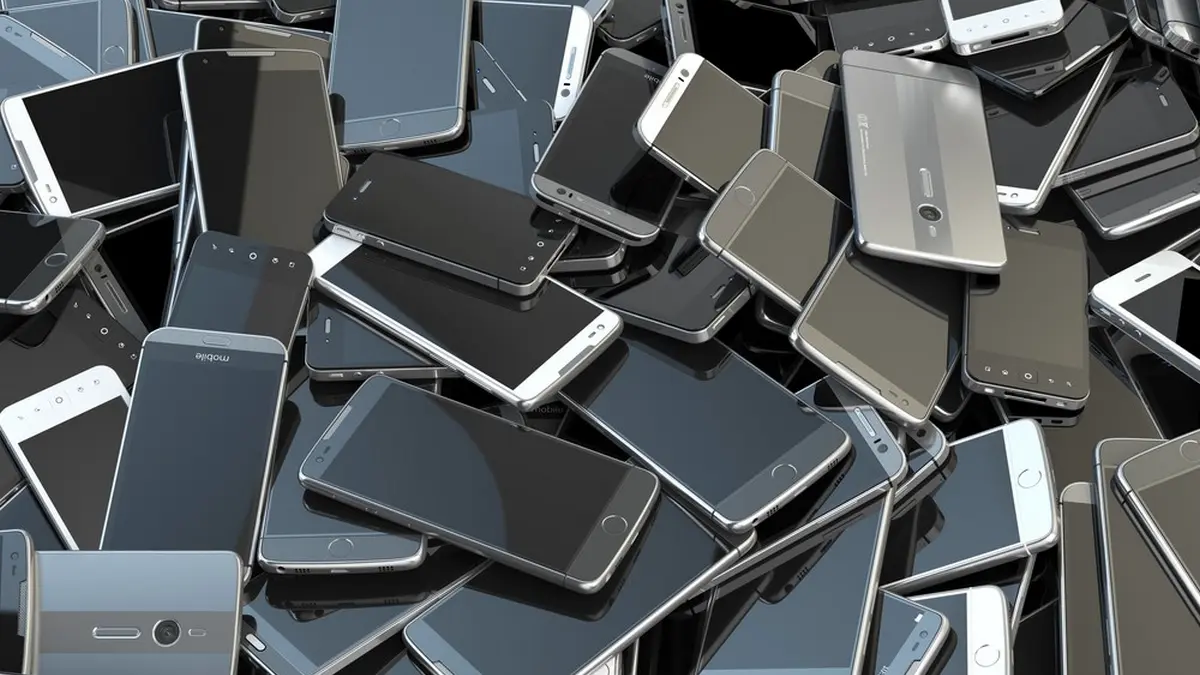
Phones make this problem easy to see. You buy one and think it is yours. But if you fix it outside the official shop, you might lose service later. Some phones even turn off features if they detect a part that is not from the brand.
Updates are another issue. Many phones stop getting them after just a few years. The phone still works, but the software becomes unsafe. This is not a hardware problem. It is a choice to make you buy a new phone.
Google is Slowly Closing Android
And it is not just repairs. Many phone makers now block bootloader unlocking. This stops people from installing custom ROMs or keeping phones alive with community updates. Google, once proud of Android’s openness, is closing things too. Its new move towards security can make app sideloading harder, which means fewer users will install apps outside the Play Store. Bit by bit, you lose control over what you can do with your own device.

Recently, Google announced new rules for app development that could affect sideloading. For those who do not know, sideloading means installing apps using only the APK, even if the app is not on the Play Store. Google says sideloading will stay, but small changes like this often lead to bigger limits later.
Android’s freedom used to be one of its best features. Now, with Google closing more parts of the system, it is becoming more like Apple. This might make things safer, but it also means we no longer have the same control. We cannot do everything on Android that we once could.
Read also
Rooting is really difficult nowadays, with many apps constantly monitoring to check if you're on modified software. This might be good for security, but in most cases, it takes your freedom. For those who live on custom Android ROMs with root, it's always a cat-and-mouse race.
Hardware and Software Entering Subscription-Based Business
Another change involves the software ownership. We used to buy a program once and keep it. Now, most of the big names charge monthly fees. Microsoft's Office is going through a similar move with Office 365. Stop paying, and you lose access, even to your own files.

Don't think this is limited to software. Hardware is moving in the same direction. Some cars let you use features like heated seats only if you pay a subscription. Printers often block cheaper ink. You pay for the product, yet the company still decides how you use it.
The Convenience Trap
Some people say this system is safer. Locked devices are harder to hack, and subscriptions pay for constant updates. Many users like this and just want things to work. But convenience comes at a cost. When companies decide when your device stops being useful, you lose the power to choose for yourself.

There is still hope. More places are passing right-to-repair laws. These laws make companies sell spare parts and share repair guides. On the software side, some brands now promise how many years of updates their devices will get. This pushes other companies to follow. More people are asking for devices that last longer and are easier to fix, which is a good sign.
Take Back What You Paid For - Restore Device Ownership!
If nothing changes, one day we might not really own our phones, laptops, or even cars. We will just rent them, paying to use them for as long as the company lets us. That might be good for their profits, but not for us.
The solution is simple. Support right-to-repair laws and speak up when companies make unfair rules. Buy devices that last and can be fixed. Say no to locked features and never-ending subscriptions. Real ownership means you choose how and when to use what you bought. If you paid for it, it should stay yours.
Popular News
Latest News
Loading