Planned obsolescence isn't a new thing for most consumers nowadays. We all know it exists, and it's undeniable that some products, in particular electronics, have an expiration date. If they survive for years due to a strong build, there will be other ways to make them obsolete. Each year, smartphone makers roll out their latest creations under the glow of stage lights and scripted enthusiasm. We’re told the cameras are sharper, the processors faster, and the colors more dazzling. For a moment, our trusty two-year-old phone feels like a relic from a bygone era. This isn’t an accident. It’s the carefully choreographed dance of planned obsolescence.
How Phones “Age” on Purpose
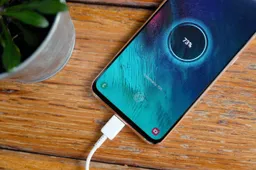
Some smartphones stop working over time due to the malfunction of certain components. But still, most of the usual issues are repairable. You hardly see a smartphone that is completely dead because the processor has stopped. Some components, however, are nudged into decline. The battery that once lasted all day will eventually cry out for a charger by noon.

That “important” update you downloaded makes your apps slower and your screen less responsive. Repairs? Good luck. Manufacturers love glue, sealed casings, and proprietary parts. Replacing a simple battery feels as complicated as performing surgery, and just as expensive. In this article, we will talk about the programmed obsolescence in smartphones.
Batteries - A Big Catalyst For Planned Obsolescence
Nowadays, the biggest culprit and catalyst of programmed obsolescence is the battery. Lithium-ion cells naturally wear out after a few years, but that shouldn’t mean replacing the entire device. It should be simple: pop in a fresh battery and keep going. Replacing a battery was much easier in the early days of smartphones. After all, they were easily removed.

You only needed to remove the back cover to change the battery when needed. Now, manufacturers bury them under layers of glass and glue. Sometimes, the cost of looking for an original battery and someone with skills to fix it rivals a brand-new phone. Consumers shrug and upgrade, which is exactly what the companies intended.
Software That Turns Against You
If the battery doesn’t get you, the software will. Updates that once brought excitement eventually bring frustration. Apps take longer to load, the interface stutters, and the once-smooth experience feels sticky. The most infamous case was Apple’s admission that it deliberately slowed down older iPhones “to protect battery health.” To many, that sounded less like concern and more like a push to buy the next shiny model.

Sometimes an update makes the device worse, and other times, the lack of updates will make it less interesting. Android OEMs have improved in this regard, but continuous support is often limited to premium flagships. When your device stops getting updates, it starts to feel less interesting. It may take years, but your outdated software will eventually prevent you from running some apps and services. Unfortunately, one of the biggest tools for planned obsolescence in smartphones is the end of software support. The devices get insecure and start to suffer from incompatibility issues.
Read also

The Planet Pays the Price
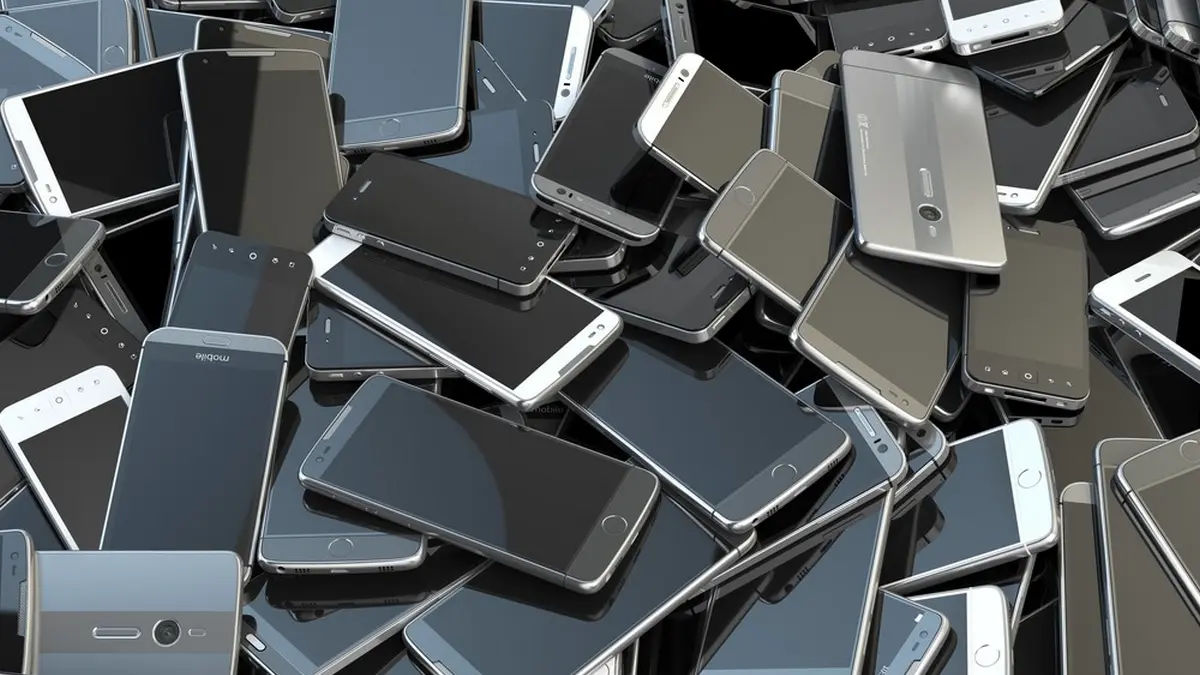
This cycle doesn’t just drain wallets. It fills landfills. Millions of discarded smartphones end up as electronic waste each year. Inside them are precious metals like cobalt and lithium, mined under harsh conditions and difficult to recycle. When phones are designed to fail faster, the environment inherits the mess. Planned obsolescence isn’t just a consumer issue. It’s a sustainability disaster.
The Good News? A Pushback Has Begun
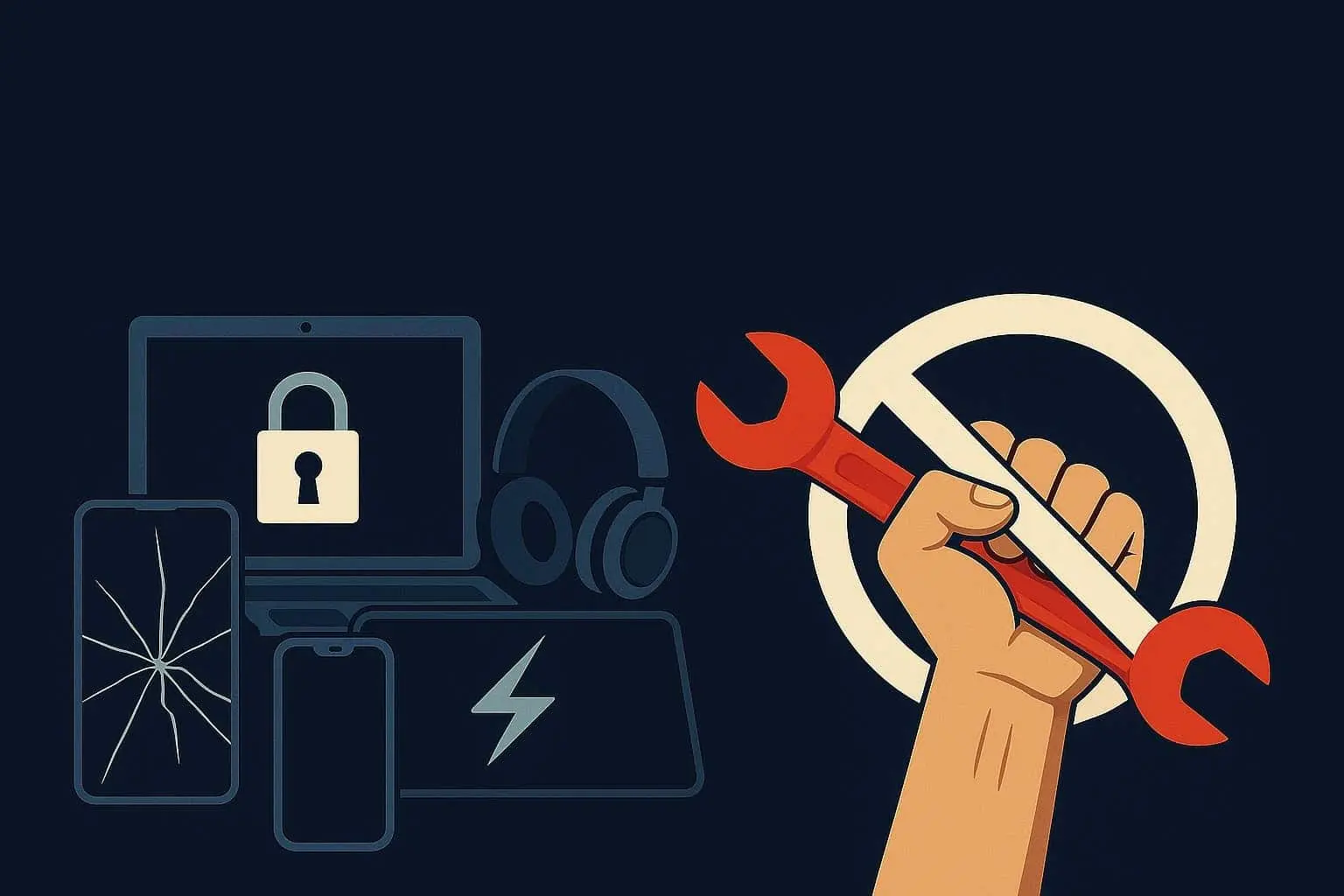
The good news is that people are starting to fight back. The “Right to Repair” movement is gaining momentum, pressing companies to release tools, parts, and manuals so consumers can keep their devices alive longer.

Governments are taking notice, too. The European Union has passed rules requiring replaceable batteries in phones by 2027. Imagine that: a device you can repair yourself without needing a lab coat. We know that there are some benefits of having an unremovable battery. This helped companies to fit larger batteries and also to not have a limited design or placement for them. However, this made it more difficult to repair.
The Consumer’s Role
Of course, companies aren’t the only ones to blame. Marketing thrives because consumers crave novelty and sustain planned obsolescence. A slightly faster chip, a better camera, and a new color are often enough to draw enthusiasts. Phones are treated less like durable tools and more like fashion accessories. Breaking the cycle means resisting the lure of every new release and demanding devices that last. Unfortunately, the upgrade syndrome is something that affects some hardware enthusiasts, and smartphones aren't an exception.
A Different Kind of Innovation
Here’s the irony: the real breakthrough in smartphones might not be in folding screens or titanium frames. It might be in building devices that survive five, six, or even seven years without being hobbled by batteries or software. A phone designed to age gracefully would be revolutionary in its own right.

Until then, every shiny keynote presentation hides a truth we’ve all learned to accept. The phone in your pocket comes with an invisible expiration date. The choice left to us is whether to play along or to demand something better.
Popular News



Latest News
Loading