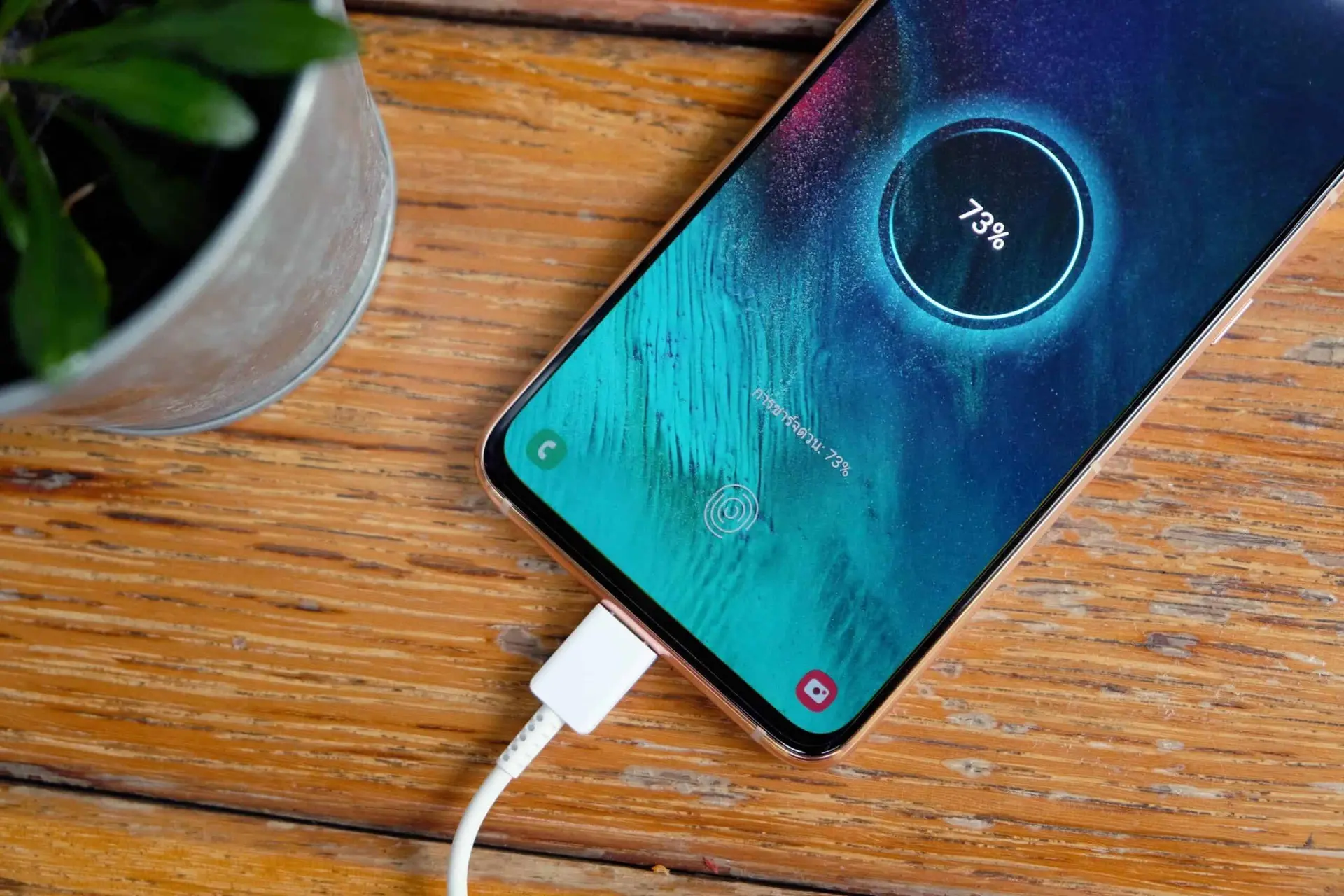
The phone in your pocket probably charges
faster than your laptop. What once took hours now takes minutes.
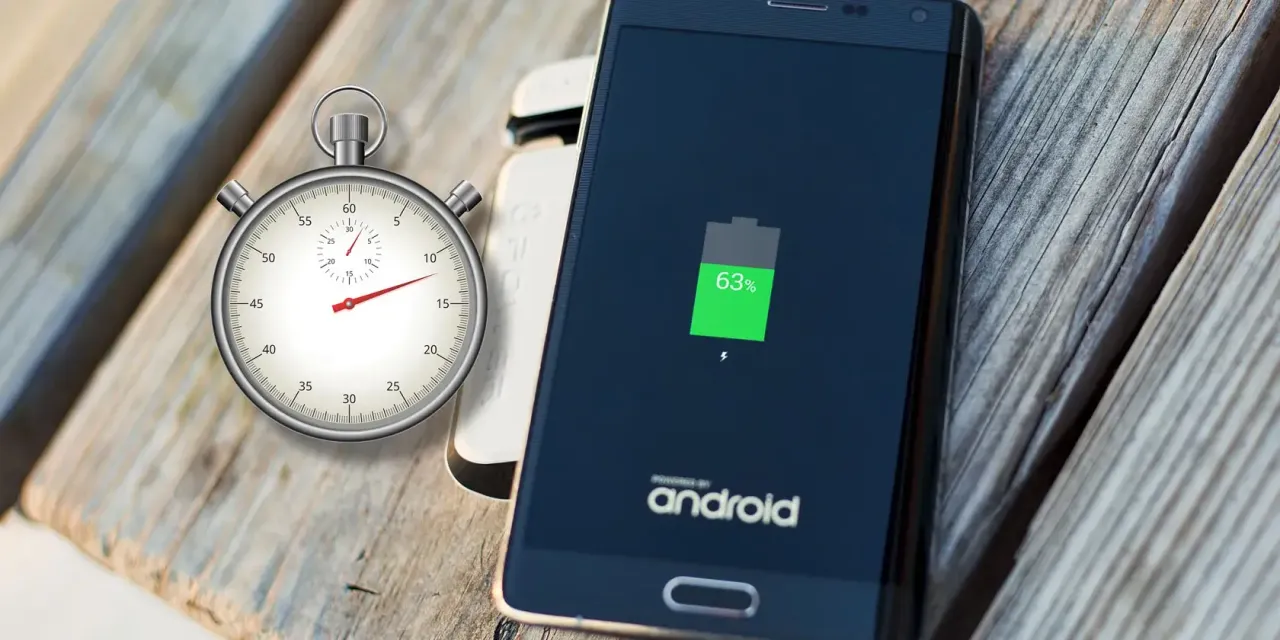
Some new models can hit 100% in under half an
hour. Brands show off speed like it were the only spec that matters. But has
anyone stopped to ask if we really needed this?
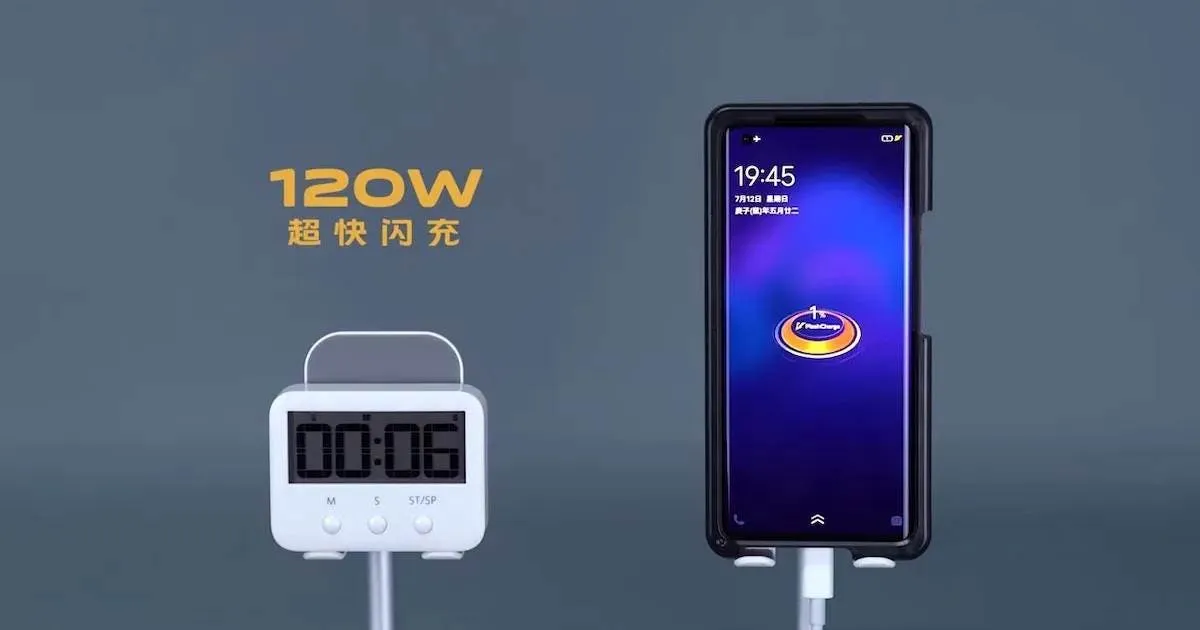
The race for charging bragging rights
Every major brand now wants to own the fastest
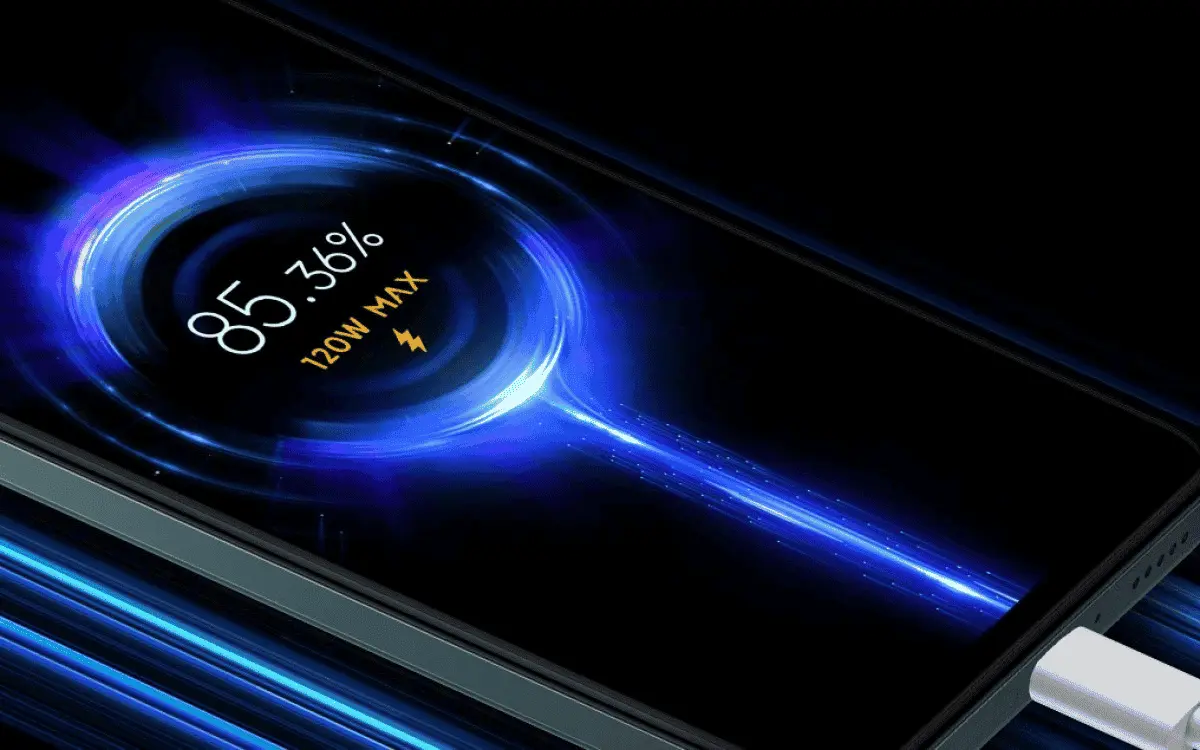
charging crown. You see 80W, 100W, and even 150W numbers on spec sheets.
It sounds great when you are stuck with 3%
before heading out. Plug in for ten minutes, and you’re back in the game.
The problem is that this speed war has nothing
to do with daily life. Most people charge at night while they sleep. This is
not safe practice but we know most people do it anyways.
No one truly needs to fill a battery in twenty
minutes. Yet companies keep pushing the limits as if a faster charger makes a
phone better.
What’s happening to the battery
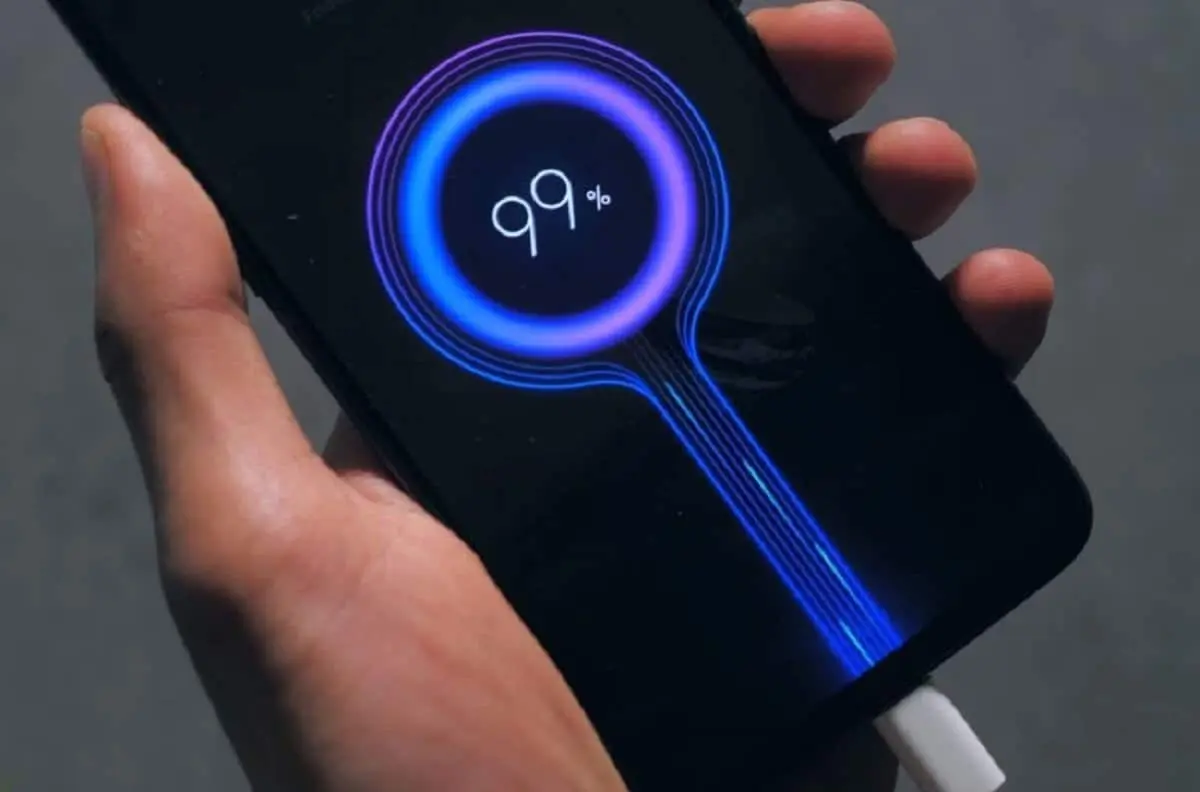
Charging a battery that fast creates heat, and
heat is the enemy of longevity. Lithium-ion cells wear down quicker under
stress.
If you own a phone for one or two years, you
may not notice. But keep it longer, you will feel the loss.
After two years, a battery that has been
blasted daily with high wattage may not hold as much power as it once did.
You will need to top up more often. This is
not the story brands tell in their launch events. They focus on the thrill of
speed, not the quiet cost down the line.
Heat is not only about long-term wear. It also
changes how you use the phone right now.
Phones get warm during fast charging,
especially when gaming or streaming at the same time. The device may even slow
itself down to keep safe.
For many, this is not worth the trade-off.
Saving a few minutes of charging while dealing with a hot device does not sound
like progress. It feels more like a step backwards in daily comfort.
Chasing numbers that don’t matter
It is easy to see why brands lean on charging
speeds. Battery life is hard to improve.
Bigger batteries make phones heavier. Smarter
chipsets help, but those gains are small. So companies turned charging into the
next selling point.
The numbers look great in ads. They give a
sense of power and innovation. Yet faster charging does not mean the phone
lasts longer in real use.
It just means you can refill quicker when it
runs dry. That is useful, but it is not game-changing for most.
Do we really need this?
Imagine you buy a phone with a 5000 mAh
battery. If the battery lasts you a full day, does it matter if charging takes
25 or 60 minutes? Probably not.
What matters more is that the battery stays
healthy for years, not just months.
Many users want reliability, not flashy
numbers. They want a phone that lasts through long days, not a charger that
makes headlines.
The current arms race feels more about
marketing than solving real problems.
Finding a better balance
There is a place for fast charging, of course.
There are times when you need power ASAP, and quick top-ups are helpful.
However, anything over 100W is like sitting on
a keg of gunpowder, and it benefits no one in the long run.
Brands can adopt a balanced approach, which means
safe, moderate speeds that protect the battery while still saving time.
Brands could also shift focus back to
efficiency. Better chipsets, smarter software, and modest battery upgrades
would improve the real user experience.
These changes do not sound as sexy as 150W
charging, but they matter more in daily life.
Popular News
Latest News
Loading