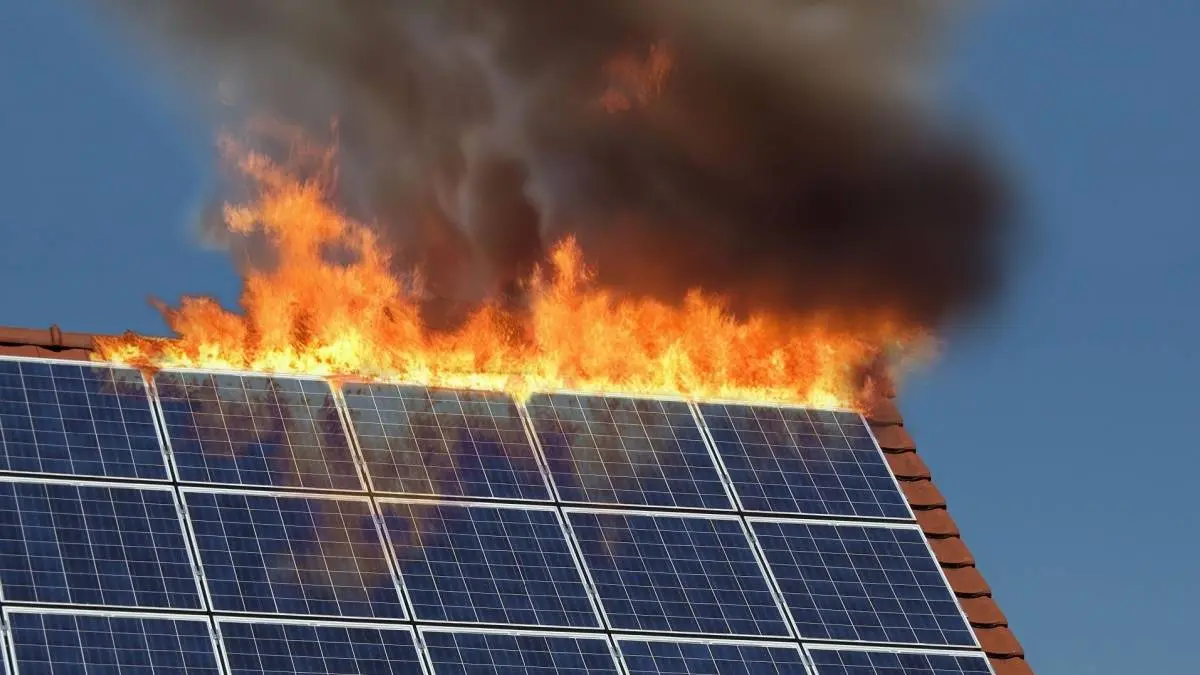
The use of solar electricity in homes and businesses has increased rapidly, but there are new concerns associated with this growth. Fire is among the most dangerous. Although they are uncommon, solar system fires have the potential to seriously damage houses, property, and human life.

Anything that can cause sudden
sparks should be avoided. Remember that the panels are already absorbing heat such sparks can lead to fire outbreaks. Therefore, the inverters, panels,
wiring, and other components must be in good condition. While people want more
power, more power means more panels and eventually, more risk. When there are
several panels on the roof, the smallest of threats can trigger fire if they
are not tackled immediately.
Faulty parts and wear
The majority of solar fires originate from system flaws. Heat and wind can cause panels to distort or shatter over time. Water may enter through these fissures, resulting in short circuits. Another major factor is wiring.
What are those things that you
need to avoid at all costs? Below are a few
·
Cheap inverters
·
Bad connection
·
Frayed wires
·
Over loading the system
The inverter is responsible for converting DC current to usable
AC power. If there is an issue with, he inverter or it was not installed well,
then it may overheat. This can lead to fire outbreak. A small connection error
could lead to fire, so you must be careful.
Design and layout
The way solar systems are set up can affect fire risk. Panels that are too close together may trap heat, raising the temperature and stress on wires. Poor airflow below panels makes heat build up faster. Mounting panels on old roofs can hide faults until they grow worse. Roofs with wood under the panels are more at risk if a spark occurs. The size of the system matters too; large solar arrays have more wires and parts, giving more chances for failure.
Maintenance gaps
Although many solar owners believe their panels are "fit and forget," neglect might put them in risk. Debris, dust, and leaves can obstruct water drainage or trap heat. Bolts or loose wiring may remain undetected for months. Frequent inspections by qualified personnel can identify early flaws and replace fragile components before they start a fire. Fires frequently originate from minor problems that might have been resolved with basic maintenance.
Regulation and standards
Not all solar systems meet strict safety rules. Some cheap imports or DIY kits lack proper fire rating or quality checks. Countries have rules for panel testing, wiring, and installation, but enforcement may vary. Following local codes and buying certified systems can reduce fire risks. Insurers may also require systems to meet safety standards; failure to comply can void coverage if a fire occurs.
Smart tech for safety
New devices can cut risk by spotting faults early. Sensors can watch panel temperature, wire current, and inverter load, alerting owners before sparks appear. Some systems can shut off automatically if they sense fire or overload. Smart monitors also record system health, helping technicians spot weak points. Using such tools may raise upfront costs, but the benefits of fire safety outweigh the price.
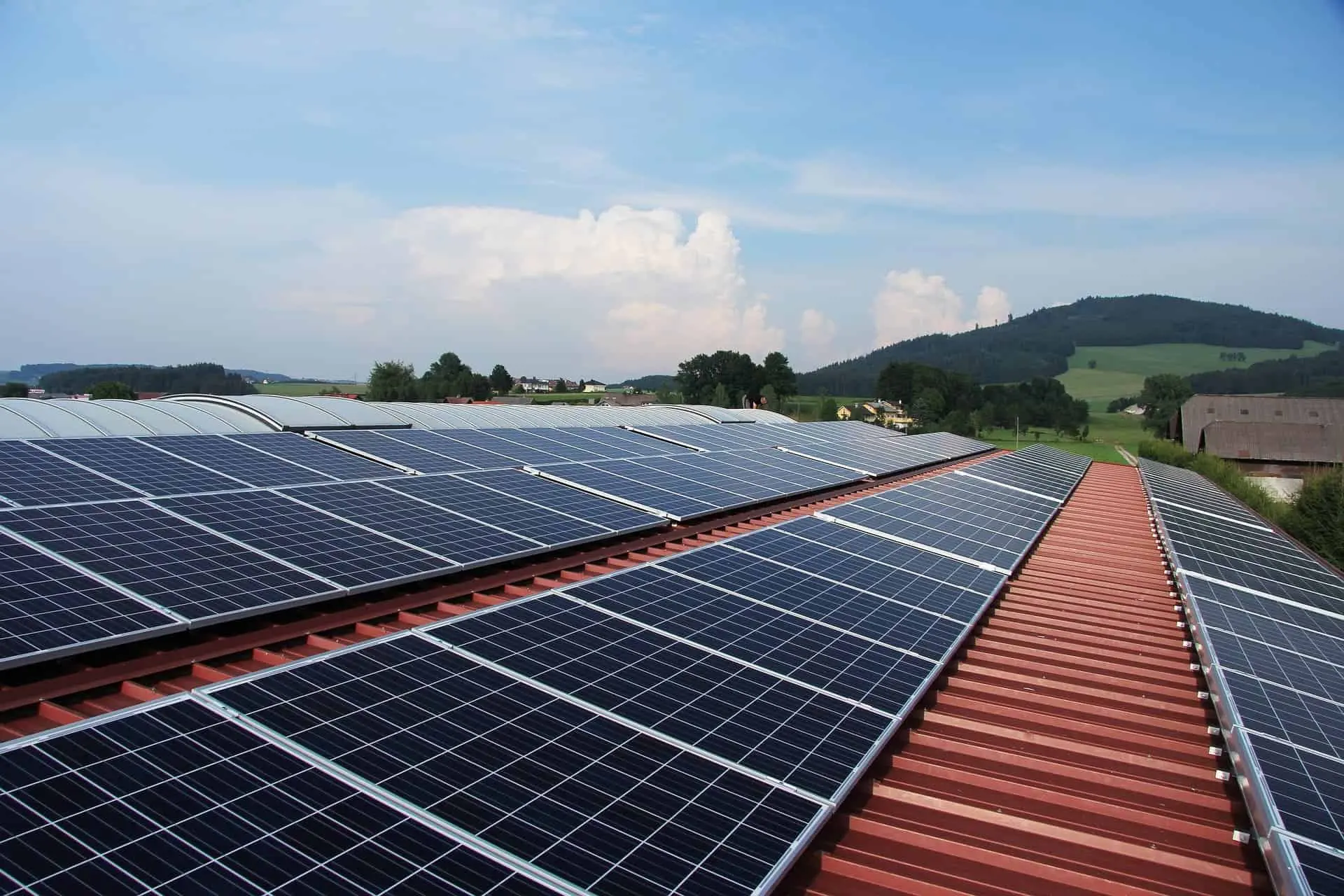
Steps to prevent fires
Fire risk is highest when you try to be smart. Do not attempt to outsmart
your technician. Do not also pressure the technician to use cheaper or inferior
parts. We have listed a few steps below that can help save you from running into
serious issues.
·
Contact trusted and tested technicians for your
installation
·
Choose certified panels and parts you can trust.
·
Check and clean your panels regularly.
·
Keep panels away from anything that can ignite
fire.
·
Make sure air can flow freely under the panels.
·
Swap out old or worn parts before they fail.
Conclusion
Solar power gives clear green benefits, yet fire risk grows with rising use. Faulty panels, bad wiring, poor layout, and a lack of checks can all spark fires. Following the codes, using quality parts, and applying smart safety tech can reduce the risk.
Regular maintenance and fast repair of weak parts is critical. Owners must treat solar systems like any other home power tool: safe use and care matter. By acting early and using proper systems, solar power can stay both clean and safe, keeping homes green without turning them into fire zones.
Popular News




Latest News
Loading