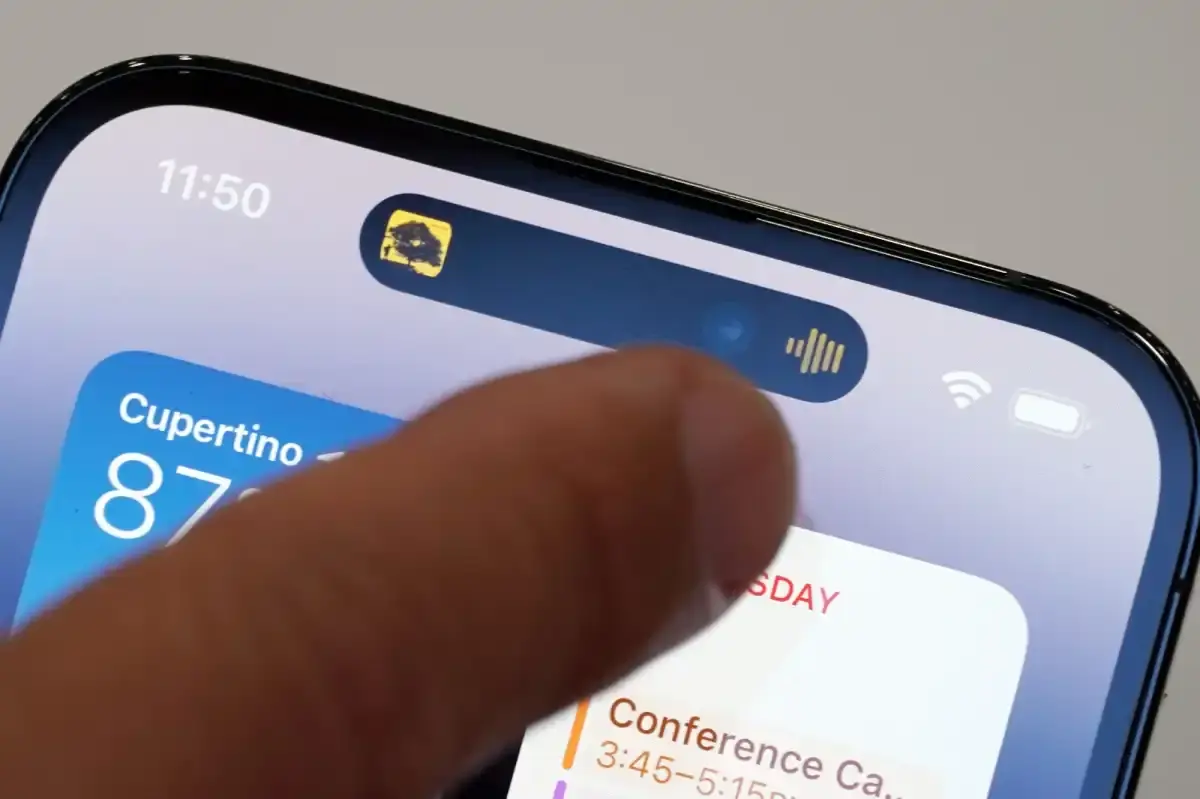
The notch arrived with the iPhone X. It was controversial from day one. And despite years of refinements, some version of it is still sitting at the top of every iPhone screen right now. The 20th anniversary iPhone is coming — and the question everyone is asking is simple: will Apple finally get rid of it for good?

5 Key Takeaways:
- The iPhone notch has evolved significantly since the iPhone X — from a wide sensor bar to the Dynamic Island — but a physical front-camera cutout has never been fully eliminated
- A true full-screen iPhone requires under-display camera and Face ID technology that meets Apple's strict quality standards — a bar no manufacturer has fully cleared yet
- The 20th anniversary iPhone is widely seen as Apple's most likely opportunity for a landmark design breakthrough, given the historical significance of the milestone
- Under-display camera solutions exist in the broader Android market but consistently struggle with image quality and sensor accuracy compared to traditional front cameras
- Industry expectations are divided — some analysts believe Apple will deliver a true full-screen design by the anniversary, others expect continued Dynamic Island refinement instead
From Wide Notch to Dynamic Island — A Slow March Forward
The original notch was wide. Blunt. Hard to ignore. Apple needed space for Face ID sensors, the front camera, and the earpiece — and they carved it right out of the display.
Over time, it shrank. The sensor array got tighter. The notch got smaller. Then came the Dynamic Island — a software-hardware hybrid that turned the cutout into something interactive. Notifications live there. Music controls. Live activities. Apple made the notch useful rather than just tolerable.
It was clever. But it's still a hole in the screen. Let's not pretend otherwise.

The Engineering Problem Nobody Has Fully Solved
Putting a camera under a display sounds straightforward. It isn't.
Light has to pass through active pixels to reach the sensor. That creates two problems. First, image quality drops — the display layer scatters and diffuses incoming light before it hits the camera. Second, the pixels sitting above the sensor wear differently than the rest of the screen, creating visible inconsistencies over time.
Several Android manufacturers have shipped under-display cameras. The results have been mixed at best. Softness. Flare. Reduced low-light performance. These are real, measurable trade-offs — and they're exactly the kind of trade-offs Apple historically refuses to ship.
Face ID adds another layer of complexity. It's not just a camera. It's a structured light system with an infrared emitter, a flood illuminator, and a dot projector working together. Hiding all of that under a display while maintaining the accuracy Apple's biometric security demands is a genuinely hard problem.
Why the 20th Anniversary Changes the Calculus
Apple doesn't need a reason to innovate. But anniversaries help.
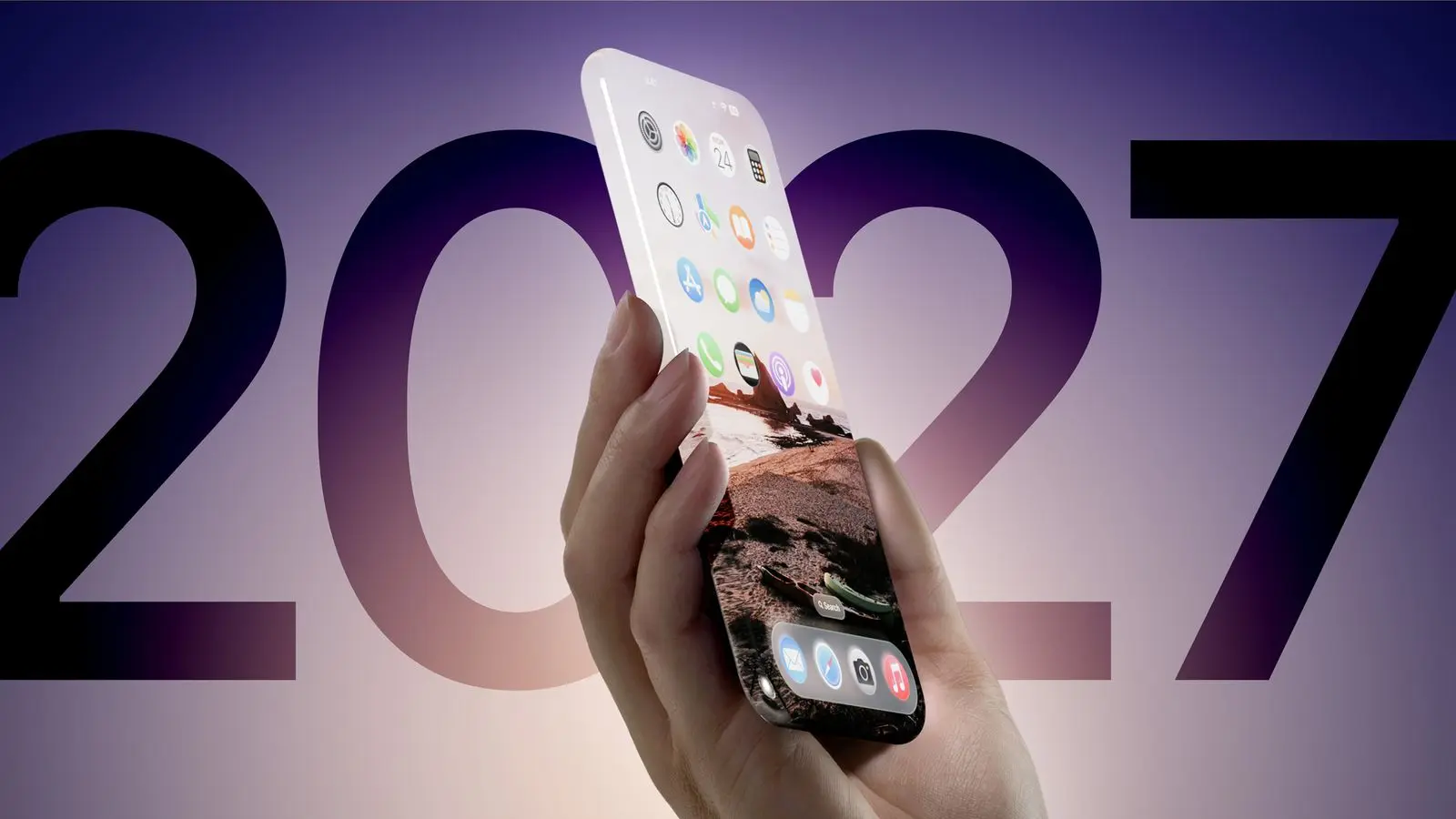
The original iPhone launched in 2007. Twenty years later, in 2027, Apple will want something to say. A true full-screen design — no cutout, no island, no compromise — would be the kind of visual statement that justifies anniversary marketing on its own.
The pressure is real. Samsung, Honor, and others are pushing display technology aggressively. The gap between what's possible in the broader market and what Apple ships is narrowing. If Apple doesn't move decisively by the anniversary window, it risks looking like the conservative option in its own category.
That said — Apple won't ship it until it's right. That's the other half of the equation. If the under-display camera still can't match a traditional front sensor by 2027, Apple will find another way to mark the occasion.
The notch started as a necessary compromise. Twenty years in, it's become the last visible reminder that the iPhone's front design isn't quite finished yet.
Popular News


Latest News
Loading