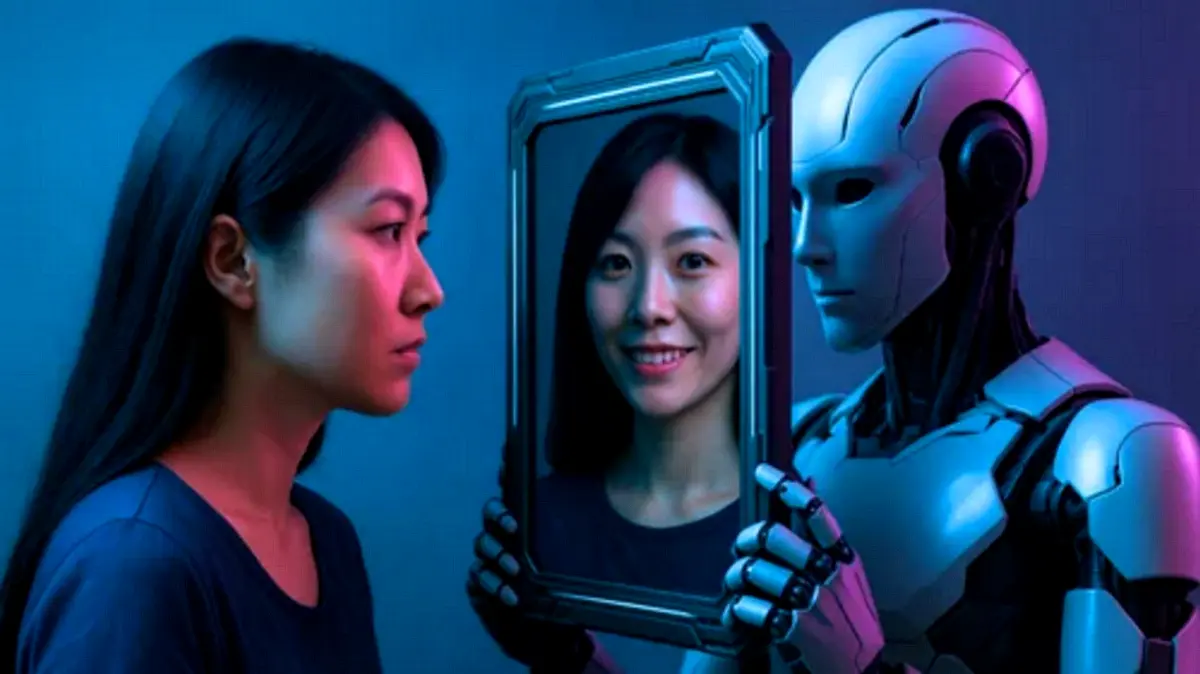
AI has quietly become the new brainstorming partner for millions of people. Need a headline? Ask an AI. Stuck on a report? Ask an AI. Want to name your business, write an apology email, or design your logo? There’s an AI for that, too. The problem isn’t that AI is helping—it’s that it’s doing too much of the thinking for us. And in this silent trade-off, we might be losing something harder to regain than time: our creative edge.
When Creation Turns Into Curation
A few years ago, creating something meant starting with a blank page, a raw idea, or perhaps a bad sketch. That uncomfortable emptiness forced us to think, explore, and make mistakes. But now, when AI tools can generate 10 logo ideas or 20 plot outlines in seconds, the process shifts. We’re no longer inventing, we're just prompting and selecting.
The creative process becomes something like scrolling through Netflix:
- You didn’t write the movies, but you choose what to watch.
- You didn’t imagine the ideas, but you chose which feels right.
For a while, this shift sounds harmless. However, there is a silent danger in this. It trains the brain differently. Instead of connecting dots and creating patterns, we become critics and curators of what the algorithm produces. The “thinking” moves outside of us. Over time, this compromises the skill that made us creative in the first place. We lose the ability to create something new from scratch.
There’s also an emotional side to this. Creativity isn’t just about producing results; it’s about the journey through uncertainty, frustration, and discovery. When AI smooths out all the bumps, it removes the tension that sparks invention.

The Comfort Trap of Easy Answers
It’s easy to see why we fall into it. AI is fast, clean, and almost always gives something usable. The brain loves that kind of comfort. But comfort is the enemy of growth.
When you let an AI fill every creative gap, your mind learns that it doesn’t need to wrestle with ideas anymore. It's a slow process, but we are simply trading of our brain muscles, slowly losing our ability to create.
Here’s what starts to happen when we depend too much on AI tools:
- We skip the messy “what if” stage where new ideas are born.
- We start copying AI patterns instead of developing a personal style.
- We value speed and polish over authenticity.
Read also


It’s not that AI ruins creativity; in several scenarios, it can help. The problem is that it just trains us differently. The danger is subtle because it feels productive. We get results faster, but we think less in the process.

So how do we use AI without letting it steal our imagination?
While the AI trend keeps growing and moving fast, we need to resist. Use AI as a starting point, not a substitute. If it gives you an idea, twist it. Challenge it. Break it apart and rebuild it in your own words or design. Make the machine’s output the raw material, not the finished product.
- Let AI spark ideas, but take time to shape them yourself.
- Treat every AI-generated draft as a rough sketch, not the final say.
- Keep doing things the hard way sometimes.
You know what is the cool part of creativity? It goes beyond results, it's about the process. Thinking, struggling, and even failing will help you learn, endure, and improve. This is something that an AI can't do. If we stop exercising our brain just because of the ease and the convenience, we will end up in a sea of polished content without original appeal.
Popular News

Latest News
Loading