For nearly a decade, we’ve been told that "software is eating the world" of photography. We watched as manufacturers turned mediocre, grain-sized sensors into "magic" through the sheer brute force of computational stacking. But as we move deeper into 2026, that honeymoon phase with AI-everything is hitting a brick wall. The industry has reached a ceiling where algorithms can no longer mask the physical limitations of tiny, subpar glass.
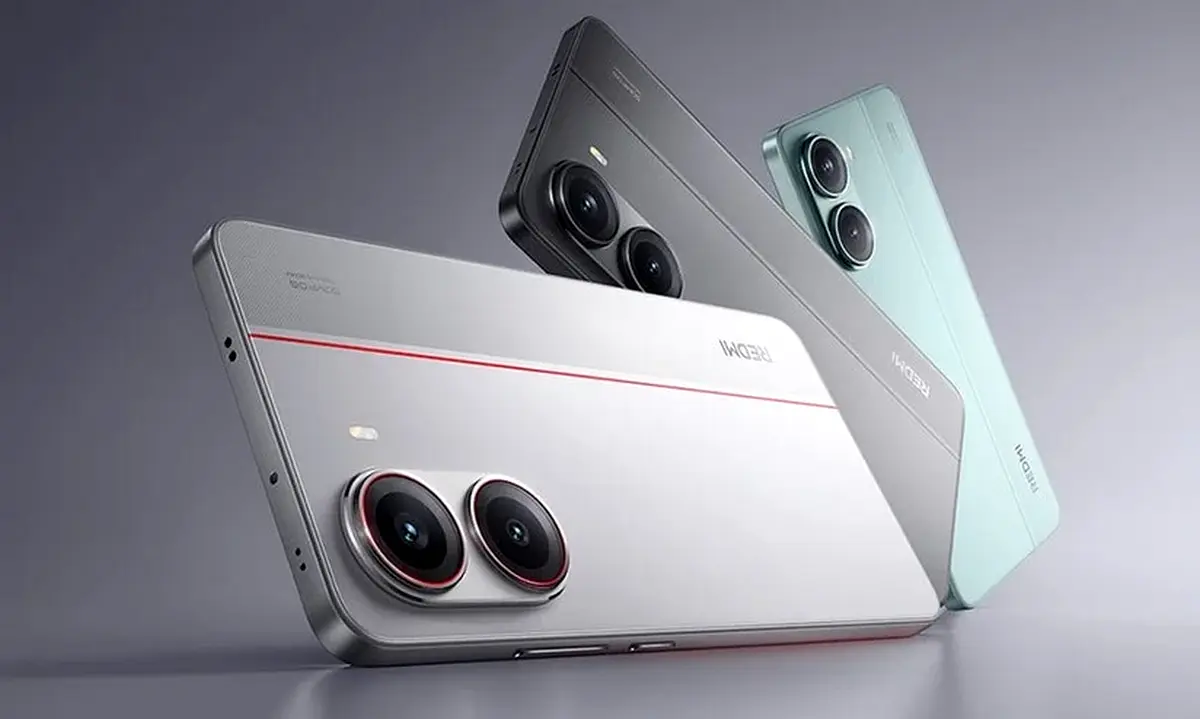
The narrative is shifting. We’re seeing a loud, hardware-focused rebuttal to the idea that code can replace physics. From the latest flagship "Ultra" models to the surprising power of the mid-range Redmi Note 15 Pro or the newest POCO releases, the message is clear: the era of "faking it" with software is ending.

Key Points
- Computational photography has hit a diminishing return.
- 1-inch and 1/1.4" sensors are becoming the new baseline.
- Variable apertures and "pro" glass reduce AI artifacts.
- Hardware-level zoom is replacing "smudgy" digital crops.
- Brand partnerships (Leica, Hasselblad, Bose) drive hardware trust.
The AI "Smear" Problem
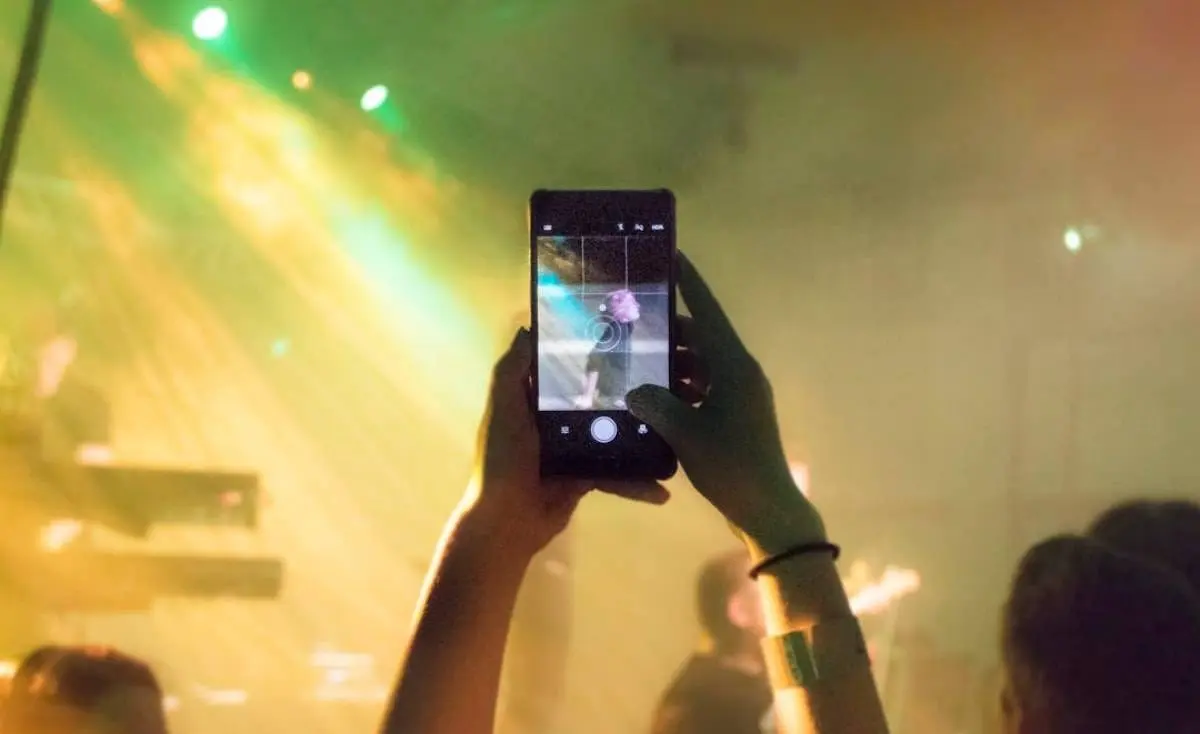
Let’s be real—we’ve all seen it. You take a photo of a landscape or a group of friends in low light, and it looks great on a tiny phone screen. But the moment you zoom in or cast it to a monitor, the "oil painting" effect takes over. That’s the sound of AI struggling to fill in the gaps where light was missing.

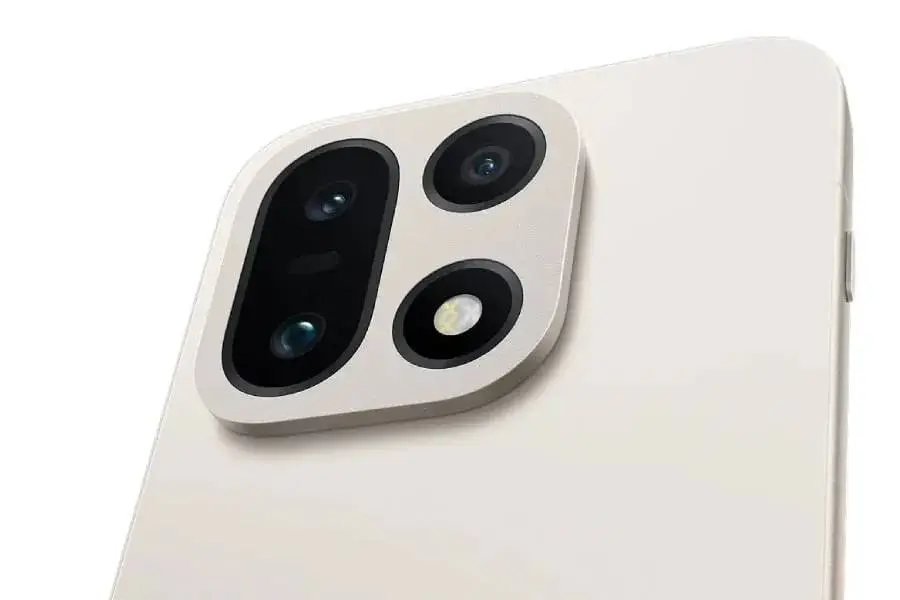
Manufacturers have realized that users are developing "AI fatigue." We want texture. We want the grain of a real film-like shot, not the smoothed-out, plastic skin tones produced by aggressive post-processing. This is why we are seeing a massive surge in 1-inch type sensors and 1/1.4-inch HPE sensors across the board.
Physics Strikes Back: The Optical Edge
The most striking result of this hardware revival is the move toward in-sensor zoom and variable apertures. In the past, "digital zoom" was a joke—a glorified crop-and-pray method. Now, with sensors hitting 200MP or even higher, devices like the newest Xiaomi and Samsung flagships are using the center of the sensor to provide 4x or 5x "optical-level" clarity.
It’s about Trust. You can finally trust that the detail in your viewfinder is what will actually exist in the raw file. When you have a wide f/1.65 aperture or larger, you don't need a "Portrait Mode" algorithm to blur the background; the physics of the lens creates a natural, creamy bokeh that software simply can't replicate without those tell-tale "halo" artifacts around a subject’s hair.
A Holistic Hardware Race
This isn't just about the sensor, though. It’s a total system overhaul. To process these massive, uncompressed files, smartphones in 2026 are leaning on chips like the Dimensity 9500, which handle the throughput of high-bitrate video and 200MP stills without breaking a sweat.
We’re also seeing this hardware-first mentality bleed into the audio and tactile space. The rumored integration of Bose-tuned speakers and dual X-axis vibration motors in upcoming tablets and phones isn't a coincidence. It’s a realization that "premium" is a physical sensation, not just a software feature.
The Verdict: Glass Still Wins
The shift toward massive sensors and high-quality glass is a reminder that while AI is a great assistant, it’s a terrible master. The 2026 smartphone crop is proving that you cannot code your way out of a small lens. By returning to the fundamentals—sensor surface area, light intake, and optical purity—brands are finally delivering photos that feel "human" again.
If 2025 was the year of the "AI Prompt," 2026 is the year of the "Optic." For anyone who values the "art" of a photo over the "math" of a processor, the return to hardware isn't just a trend—it's a necessary evolution to save mobile photography from itself.
Popular News
Latest News
Loading