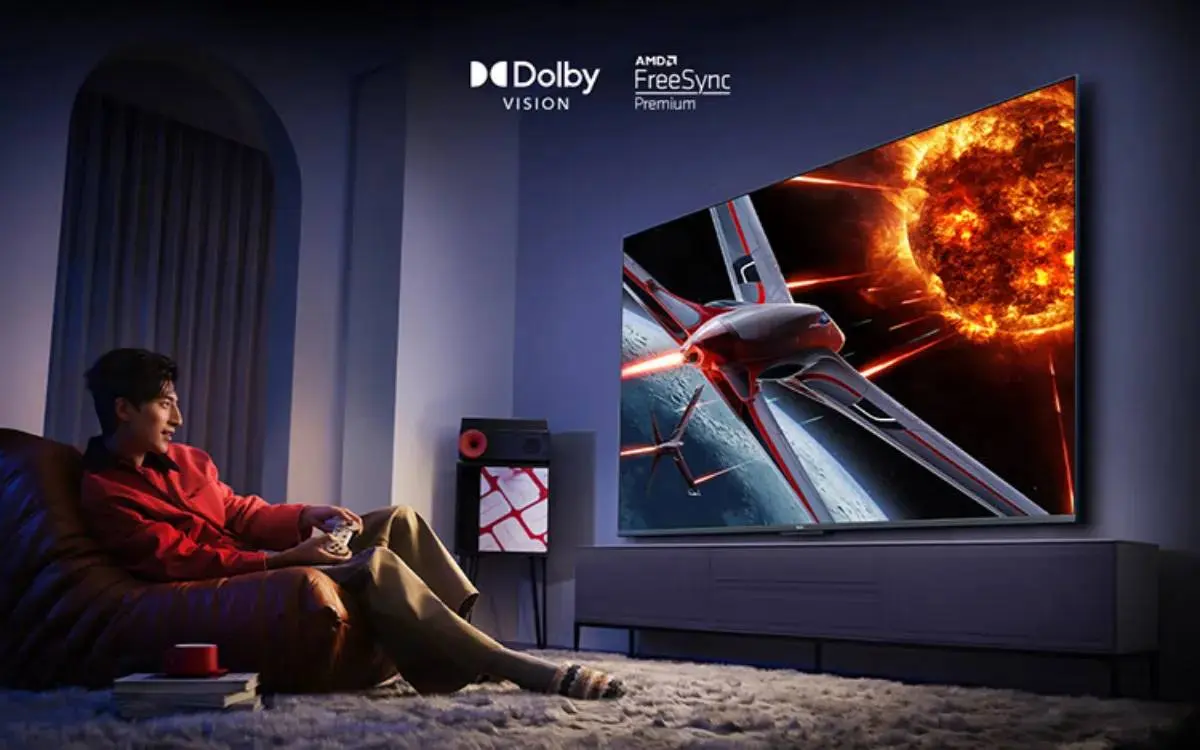
Smart TVs
were supposed to make watching easier. One remote, one interface, and endless
streaming options — that was the dream. No more juggling HDMI ports or hunting
for lost dongles. Were we expecting too much? Because the experience at the
moment sure feels worse than ever.

We now face
more obstacles than ever. There are loads of ads, app icons even weird
suggestions waiting for us when we put on our TVs. The idea of giving just what
we want instantly is gone. So, how smart is the smart TV? Can we still call
these distractions “smart”?
Streaming
devices — those small sticks and boxes — promised to fix this. They offered
faster menus, smoother performance, and a cleaner experience. But now, even they
have become just as crowded and confusing.
Too many apps, too little focus
No doubt, our smart TVs are more powerful, and streaming devices are
innovative. However, it has become more difficult to watch anything; isn’t this
an irony? The reason for this is simple, every brand wants its design, sign-in
process even its own app store. Therefore, if you are used to Netflix, making
the switch to Prime means you have to learn everything afresh.
Even small
actions take longer. Searching for a title means typing it with a remote,
letter by letter. Some TVs offer voice control, but it often mishears you or
opens the wrong app entirely. The supposed convenience starts to feel like
work.
It’s no
wonder people often default to whatever app sits on the home screen. When
watching TV feels like navigating an airport, you’ll settle for the nearest
gate.
The rise of ads and “recommendations”
The biggest
shift in smart TVs lately isn’t better performance — it’s more ads. Turn on
almost any modern set, and you’ll see sponsored shows or “recommended” titles
that have little to do with your taste.
Manufacturers
have found a new profit stream: the home screen. That’s where they sell space
to streaming platforms, making your dashboard look like a digital billboard.
The more you scroll, the more ads you see.
It’s clever
business, but it kills the sense of ownership. You paid for the TV, yet it
feels like someone else controls what appears on it. The experience becomes
less about what you want to watch and more about what companies want you to
click.
Simplicity lost in design
Remember
when TVs had just input buttons and channel numbers? The idea of simplicity has
somehow been replaced with endless choice. Each update brings new menus, new
layouts, and new frustrations.
Some TVs
now load more slowly than phones. Others freeze when switching apps. Updates pop up
when you just want to relax. It’s not that the technology is bad — it’s that it
tries to do too much.
The more
“smart” features manufacturers add, the harder it is to perform the most basic
action: play content. Instead of unifying the experience, the layers of
software often get in the way.
The illusion of control
Even when
you try to fix things, you rarely get full control. Want to delete unwanted
apps? Some can’t be removed. Want to change the layout? The TV reverts it after
an update. It’s like being a guest in your own living room.
Dongles
aren’t much better. Amazon, Google, and Roku all push their own ecosystems.
Each has menus designed to promote their own services first. You may want
Netflix, but your device insists on showing you Prime or YouTube instead.
What was
meant to simplify entertainment has become a tug-of-war between companies
fighting for your attention.
What users really want
Most
viewers don’t want AI recommendations or complicated hubs. They just want to
press play and enjoy a show, that’s it. A fast, clean interface that respects
their time and doesn’t push ads into their space.
Manufacturers
often miss this. They chase trends and data, not usability. Simpler interfaces,
faster performance, and fewer distractions would win people over faster than
another smart feature no one asked for.
The way forward
Maybe the
next step isn’t making TVs smarter but making them simpler again. A
device that prioritises content, not clutter. One that remembers its purpose:
helping people unwind, not navigate digital mazes.
Until then,
viewers will keep dealing with the paradox — smarter screens, dumber
experiences. Because the more our TVs learn, the less they seem to listen.
Popular News
Latest News
Loading