This is the ultimate cloud storage trap: owning nothing, paying forever
EditorialFriday, 26 September 2025 at 01:42
Think back to when we had big hard disk kits at home. You could hold them, back up files, and feel safe. Now those kits are rare. Small SSD sticks still exist, but they are pricey and not made to last long.

The shift is clear. Firms want us to keep less at hand and pay more to store files on the net. They frame it as the way ahead, but in truth, it cuts our say on how we keep data.
Why do we end up with rent
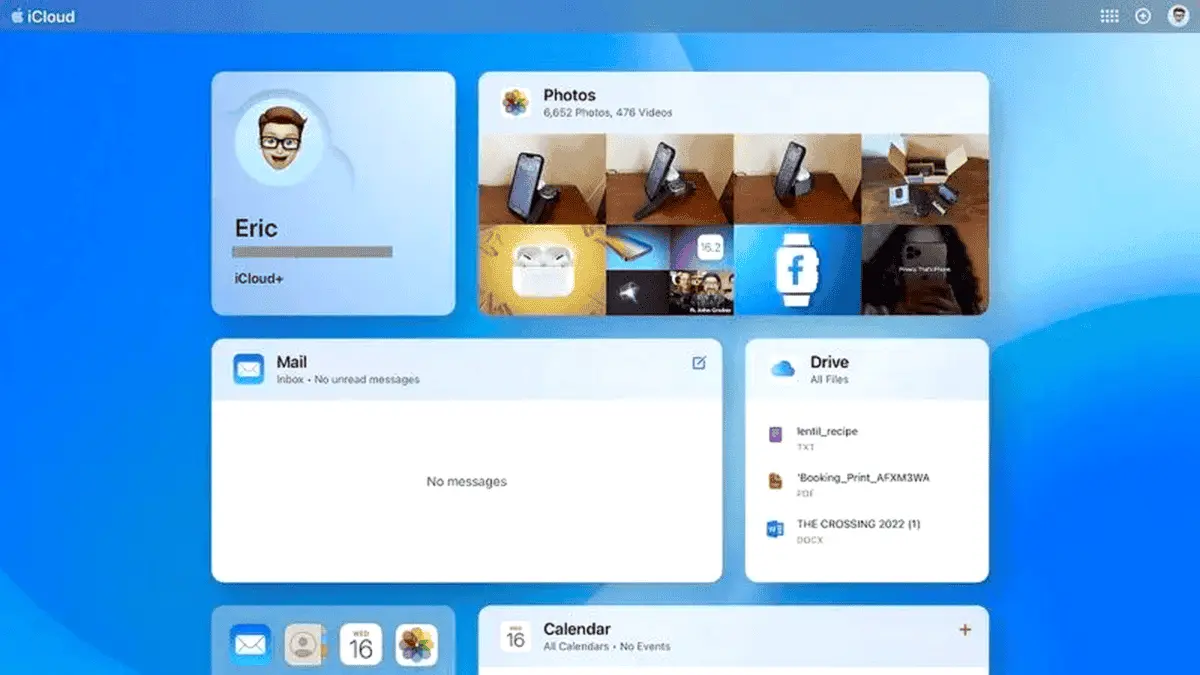
Cloud storage sounds interesting at first. You snap a shot on your phone, and in no time, it shows up on all your gear. No wires, no work.
But the trap is here. You do not own a thing. You rent space. You pay month by month, year by year. Stop the pay, lose the space. That is the core of the trap.
The move feels small at first, just a low fee. But as files grow, the plan jumps to a higher tier. The pay never ends, and soon, you are locked.
The myth of ease
Companies push cloud storage as if it makes life light. You can share fast, sync easily, and free up space on your phone.
But ease comes with a hook. You hand over full trust to a company that can hike fees or lock your files. It can even increase its subscription plans with no or very short notice.
Cloud storage ease may feel nice now, but what if one day you wake up to a note: “Pay more, or else.” When the cost of ease is loss of hold, we have to ask if we gave up too much.
The cost that keeps on
Once you start to pay, it is hard to stop. Cloud kits hook you in slow ways. At first, you get a free room, then the files pile up.
Next thing, you hit a limit. Then comes the card link, the sub plan, the new norm. What once was a free shot save turns into a bill that never ends.
Think of all the songs, videos, documents, and pictures that sit in those hubs. How many of them do you need each day? Yet you still pay to keep them there.
The risk of no hold
There is more than cash at stake. With cloud use, you do not hold the file in your hand. If the internet fails, you wait. If a company shuts down, you pray you can grab your files in time.
Data is no more on your desk but in some far hub you will never see. The loss of grip is real, and once gone, it is hard to get back.
Shrink of choice
Step by step, the real gear to save files is in less demand. Laptops with huge disk kits are rare. Phones with card slots are fading out. Game kits now sell more net codes than real disks. Each move cuts off one more path to own. You start to see how the trap is set: less gear to own, more push to rent.
The need for new rules
If all files live in hubs we do not own, who sets the rules? We have seen bans on mods, hikes in fees, and lockouts. When firms hold the keys, we play by their plan. There is talk of laws to guard users, but for now, power stays with the firms.
What can users do
It is not all lost, because you can still choose storage that gives you more space to grow, and you can always fall back on the reliability of a drive you keep at home.
The cloud is best thought of as a tool for convenience rather than a permanent home, useful for quick access but never a substitute for having a copy you can actually hold in your hands.
Children should also be taught that files carry real value, and that placing complete trust in large companies always comes with a hidden cost.
It is worth holding on to the idea that your work and your art deserve to remain in your possession, rather than being confined to online hubs that you must pay for but never truly see.
A hard truth
The path is becoming clear, as each passing year seems to leave us owning less while somehow paying more. What is unfolding is not only a trap built into technology, but also a reflection of the way we live.
In our search for speed and ease, we slowly trade away control over our own files. The real challenge is to remember what is truly ours, because if we allow that grip to slip, we may one day discover that we no longer hold any part of our past.
Popular News
Latest News
Loading