There was a time when smartphones felt exciting, strange, and full of experiments. Brands were not afraid to test ideas that had never been done before. Instead of sticking to the flat, safe designs we see everywhere today, companies tried curves, bending bodies, weird buttons, and creative shapes. One of the boldest examples of that era was the LG G Flex lineup. It looked different, felt different, and showed how far a company would go to stand out.

The LG G Flex - When LG Bent The Rules
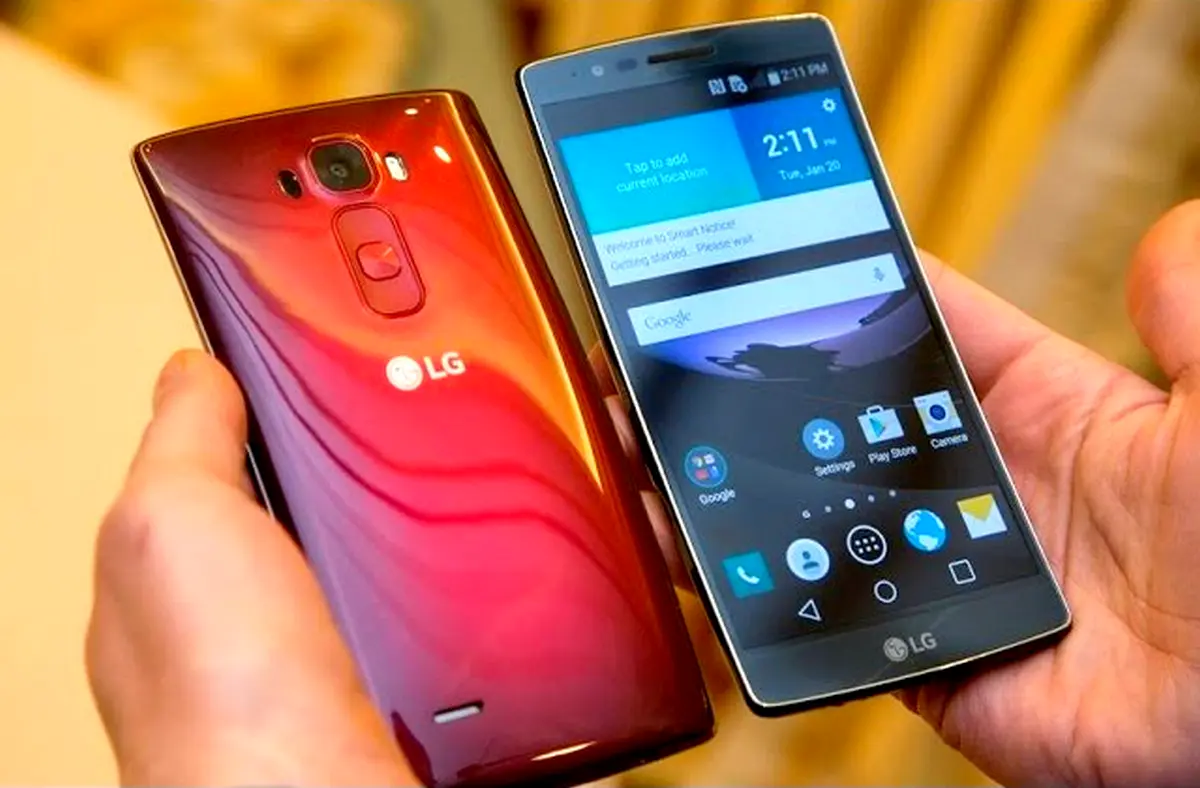
The first LG G Flex came out in 2013. Right away, it grabbed attention because the whole phone curved from top to bottom. This shape was not just for decoration. LG said the curve made calls feel more natural because the phone followed the curve of your face. It also aimed to give videos a more “wraparound” look, almost like a tiny movie screen. It was not a banana phone, although the ergonomics were similar.

The G Flex had another unusual feature: a back cover that could slowly heal small scratches. If you rubbed your keys against it, tiny marks would fade after a while. It was not perfect, but it was cool and showed how much LG wanted to push new ideas. Unfortunately, we didn't see other brands trying this afterwards. Nowadays, we see a focus in premium materials with some level of resistance, but the healing plastic back was left in the past.
Read also

LG G Flex 2: The Better Version
In 2015, LG released the G Flex 2, the second and last phone in the series. It improved most things from the first generation. The phone was smaller, easier to hold, and had a sharper screen. The curve stayed, but the overall design felt more polished.

LG clearly wanted curved phones to become a big thing. For a short moment, many people wondered if this shape would replace the flat phone style we all knew. However, for every user who considered it a cool device, others thought it was a mere gimmick.
Why the G Flex Line Faded
As interesting as the curve was, most people did not really feel they needed it. Flat phones were easier to use, easier to protect with cases, and cheaper to fix. Curved screens cost more to make and repair, and the practical benefits were not strong enough to win over the mainstream crowd. To make things even worse, the LG G Flex 2 was not a big sequel in terms of sales. It came with a problematic chipset - the Snapdragon 810 - which had severe heating issues. This was Qualcomm's worst year in the flagship market, with some brands avoiding this chipset.

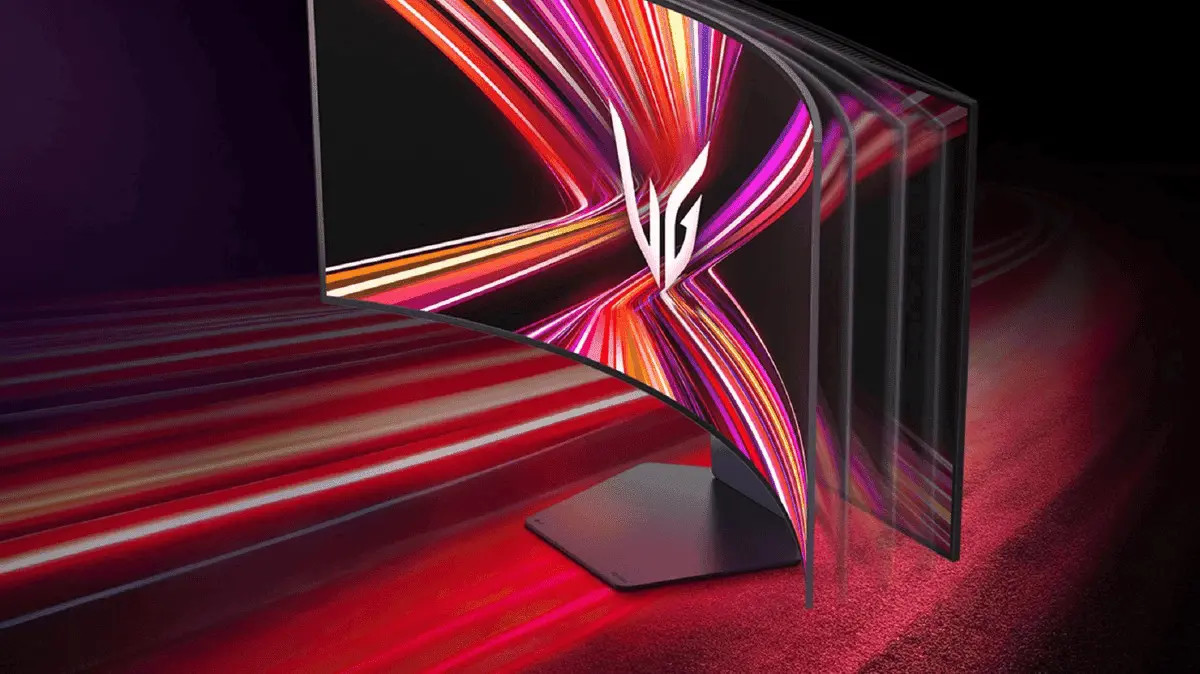
LG's flexible pOLED screens
So even though the G Flex lineup was creative, it lasted only two generations. After the G Flex 2, LG stopped making curved phones. The market simply preferred simple rectangles. LG didn't lose its will for trying different concepts, even though its smartphone business could survive just a few more years.
The Idea Did Not Die, Though
Even if the G Flex series ended early, its ideas lived on. The flexible OLED screens inside these phones helped inspire the foldable phones we have today. Modern foldables use improved versions of the same technology that LG was experimenting with years earlier. In a way, the LG G Flex walked so today’s foldables could run.
The LG Flex basically was a start for the concept of flexible OLED screens. Now we have displays that not simple bend slightly, but can be folded in two or three ways.
Quick Look at the Lineup Specs
Here is a simple summary of the two models in the series:
LG G Flex (2013)
- 6.0-inch curved 720p OLED
- Snapdragon 800
- 2 GB RAM
- 13 MP rear camera
- 3,500 mAh battery
- Self-healing back cover
- Slightly bendable frame
LG G Flex 2 (2015)
- 5.5-inch curved 1080p OLED
- Snapdragon 810
- 2 or 3 GB RAM
- 13 MP rear camera with OIS
- 3,000 mAh battery
- Faster self-healing coating
- Smaller, lighter design
Why the G Flex Still Feels Special Today
Looking back, the LG G Flex reminds us of a time when phones were willing to be weird. Companies were not afraid to try shapes, features, and ideas that might fail. The G Flex lineup may not have conquered the market, but it showed courage and creativity.

Today’s phones are clean, safe, and almost identical. The G Flex came from an era when brands took risks just to see what was possible. That spirit of experimentation is what made the early smartphone years so fun, and the G Flex stands out as one of the most interesting attempts of that time. Unfortunately, the idea didn't survive more than two generations. LG had some great ideas, but they didn't turn into commercial success. The LG Glex series may not have lasted long, but it definitely made its mark. For that reason, we've decided to remember its story in this Throwback Time article.
Popular News

Latest News
Loading