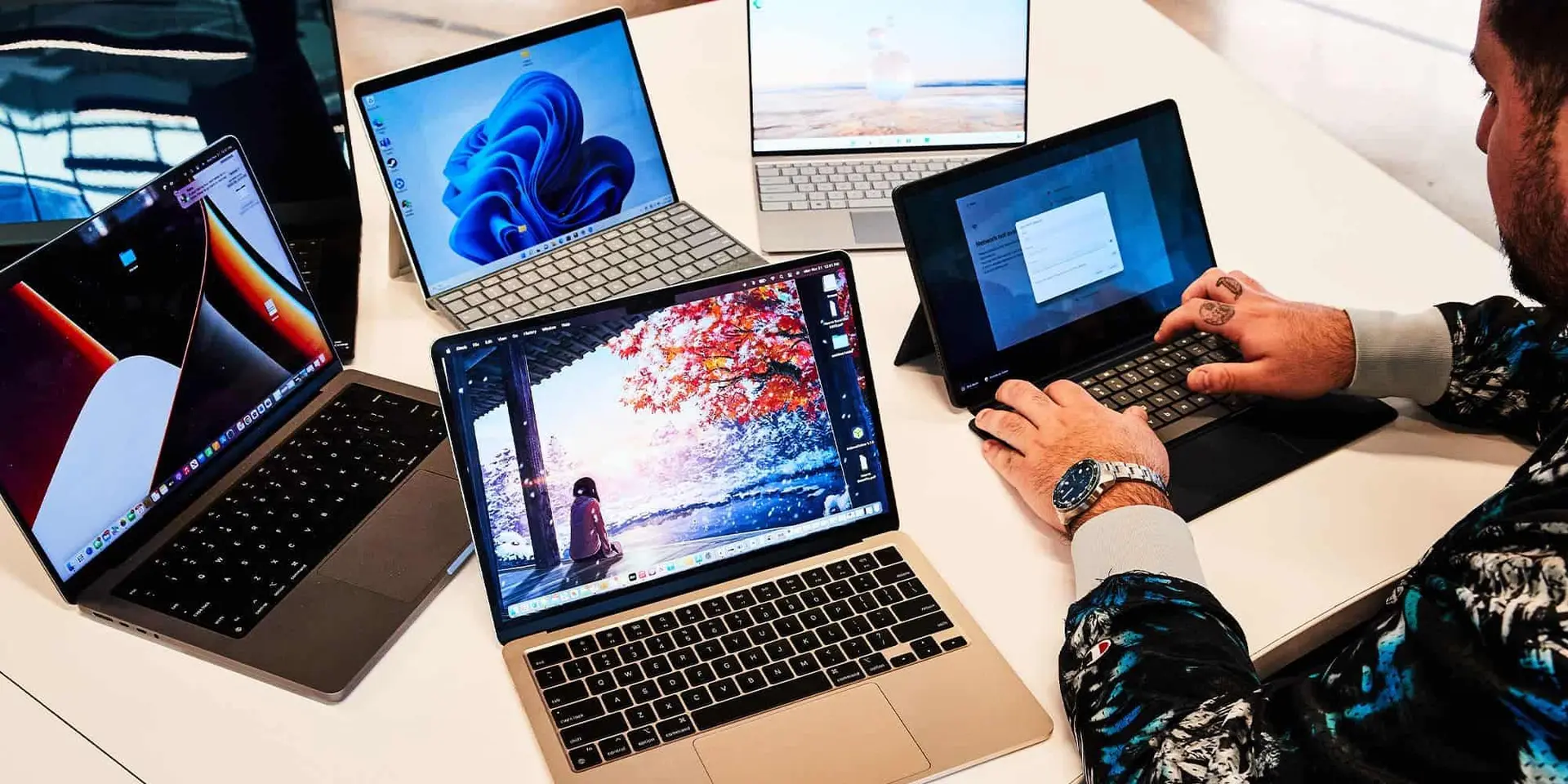
In the past, used laptops were seen as old, slow, or risky. Many thought
they were only for kids, casual users, or as backups. That has changed fast.
Today, secondhand laptops are becoming a real choice for many users. Students,
small businesses, and remote workers are all finding them useful.
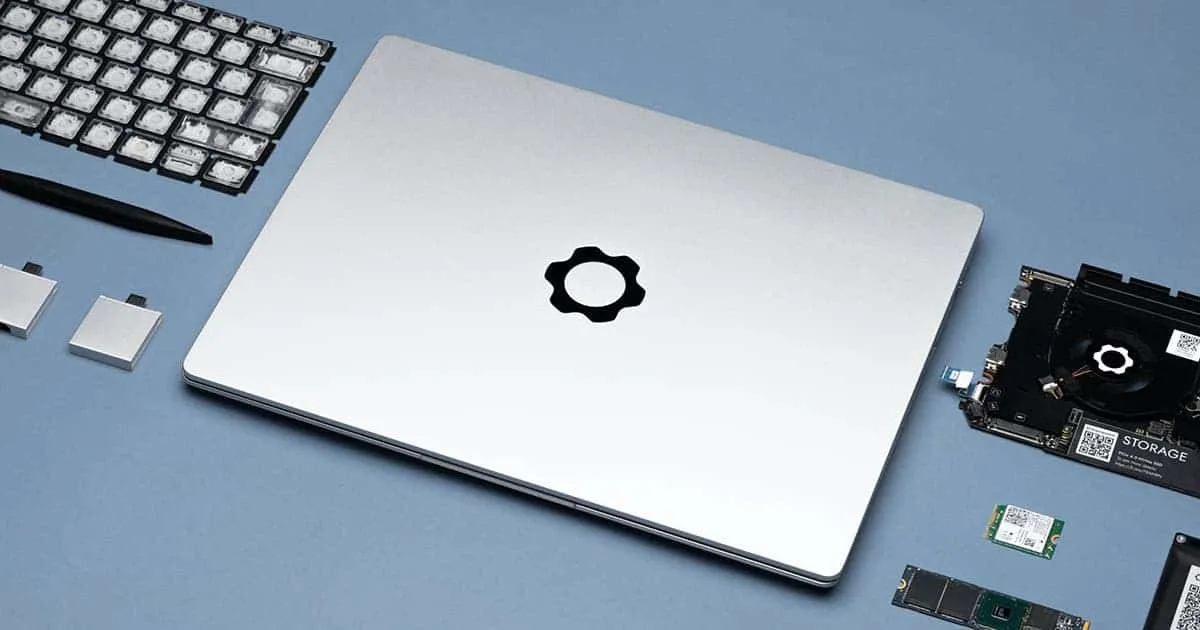
One main reason is price. New laptops are costing more than ever. RAM
shortages and high component prices have pushed mid-range laptops to €800 or
more. Even basic models now often start above €500. This makes buying new hard
for people on a budget. Secondhand laptops, in contrast, give similar
performance for a fraction of the price.
The rise in refurbished sales shows this clearly. More shops and online
stores now offer tested and certified used laptops. Users no longer have to
worry about quality. A one- or two-year-old laptop can run well, look clean,
and meet everyday needs.
The Real Savings
Cash is the main force behind the change - market research firm Context
reports that sales of refurbished laptops climbed seven percent in the last
quarter across Italy, the United Kingdom, Germany, Spain besides France. The
United Kingdom recorded the sharpest rise - unit sales doubled in 2025 and
pushed the country past Germany to become the largest market.

Cost steers the choice - roughly four refurbished laptops in ten sell for
between €200 and €300. That band suits students and casual users who want a
reliable computer but have limited funds. The share of machines priced from
€300 to €400 jumped from fifteen percent to twenty three percent in twelve
months. This shift proves that some shoppers will pay extra for upgrades like
additional memory, quicker storage or a larger display.
The gap versus new hardware remains wide - a fresh laptop priced at €900
often has a refurbished twin at €300 - €400 - the buyer keeps more than half
the original sum. For households, students or small firms that need multiple
computers, that saving alters budgets in a major way.
Quality and Reliability
People often ask whether a second hand laptop will keep working. It will,
provided you choose with care. Specialist shops offer certified refurbished
machines that have been cleaned, repaired and fully checked and these units
usually carry a short warranty or at least a return window.
A laptop that left the factory one or two years ago still has years of work
ahead. Current models are designed for a long life and steady software updates
preserve their speed. A machine that receives basic care often stays usable for
five years or longer, covering study, office tasks plus simple media playback.
Speed is near new - a refurbished unit opens office programs, runs video
calls, loads web pages and even performs light photo or video work without
complaint. Many owners see no practical gap between it and a factory fresh
device - the purchase stays sensible.
Saving the Planet
Choosing a used laptop helps the Earth as well as the wallet - the planet
now creates electronic waste at a pace far beyond formal recycling capacity. A
2024 United Nations study states that global e-waste rises almost five times
faster than documented recycling. Every human on average discards 11.2 kg of
such waste each year.
Each laptop that gains a second owner stays out of landfill - re-use also
cuts demand for fresh components, which preserves energy but also raw
materials. Buyers notice this benefit and pick pre owned machines for
environmental as well as financial reasons. Refurbished hardware gives reliable
performance while waste and pollution both drop.

Market Trends
The data shows that this trend is more than just a fad. Refurbished laptops
are growing across Europe. Context’s report shows steady growth, especially in
the UK. Volume doubled in 2025, overtaking Germany as the leading market.
Price sensitivity drives this trend. Many buyers want a balance of cost and
performance. But the growth of the €300–€400 segment shows that some users are
willing to spend more for better specs. The trend suggests that users are
becoming smarter about value. They no longer buy just based on the newest
model—they focus on what works best for them at a fair price.
Risks and How to Buy Smart
Of course, buying secondhand comes with risks. Battery health can be lower
than new, hidden damage may exist, and scams are possible online. But these
risks can be reduced with care.
Always check the seller’s reputation and reviews and ask for details about
battery life, screen quality, and any past repairs. If possible, test the
laptop before buying because, it may save you a lot – some shops offer short
warranties or return periods, which adds extra safety.
Even online marketplaces have improved. Many show full pictures, specs, and
performance checks. Some even offer delivery with a return option. With a
little research, buying used can be almost as safe as buying new.
Who Benefits Most
Students are clear winners. They get a laptop for study, homework, and
projects at a low cost. Remote workers and small teams also benefit. Buying
refurbished laptops can let a small business equip staff without spending a
fortune.
Families find value too. A second laptop for kids, casual browsing, or
hobbies is now possible at a reasonable price and in many homes, one laptop is
used for work and study, while a second refurbished unit handles casual use.
Even hobbyists or creators find it useful because they can experiment with
video editing, coding, or gaming on a machine that cost a fraction of a new
model and this allows people to get started without risking a large investment.
The Future of Secondhand Laptops
The trend is likely to grow. As component costs rise and RAM shortages
continue, new laptops will stay expensive and users are becoming more
cost-conscious and eco-conscious at the same time. The manufacturers of these
laptops closely watch the market, they see as user behaviour is changing and
they act accordingly. Some now sell refurbished laptops directly, while more
stores are offering certified units with warranties and this makes buying
secondhand easier and safer.
Secondhand laptops are also reshaping the PC market. Users are now thinking
beyond “new is best.” They are valuing performance, cost, and environmental
impact. In the long run, this could push brands to make devices that last
longer, support refurbishment, and reduce waste.
Conclusion
Used laptops once sat at the bottom of the shopping
list - now they sit near the top for anyone who wants to keep cash in their
pocket and spare the planet another scraped circuit board. A clean wiped
machine that lived in an office for two years still opens browsers, edits video
and runs spreadsheets almost as fast as the same model fresh from the factory
but it sells for half the price or less. New machines cost more each season,
factories struggle to deliver enough chips plus headlines warn of e-waste mountains
- those facts push students, remote workers, corner shop owners and parents
toward the refurbished aisle.
Check the keyboard for missing keys, boot the device
from cold, listen for fan rattle, demand the original charger and insist on a
bill with a clear return date - if the seller is an authorised refurbisher who
grants a one year warranty, sign the paperwork. The movement toward previously
owned hardware is no longer a fringe trend - it is the obvious answer when the
three questions every buyer asks are - will it leave money in my account, will
it do the job but also will it dump less plastic in a landfill?
Popular News

Latest News
Loading