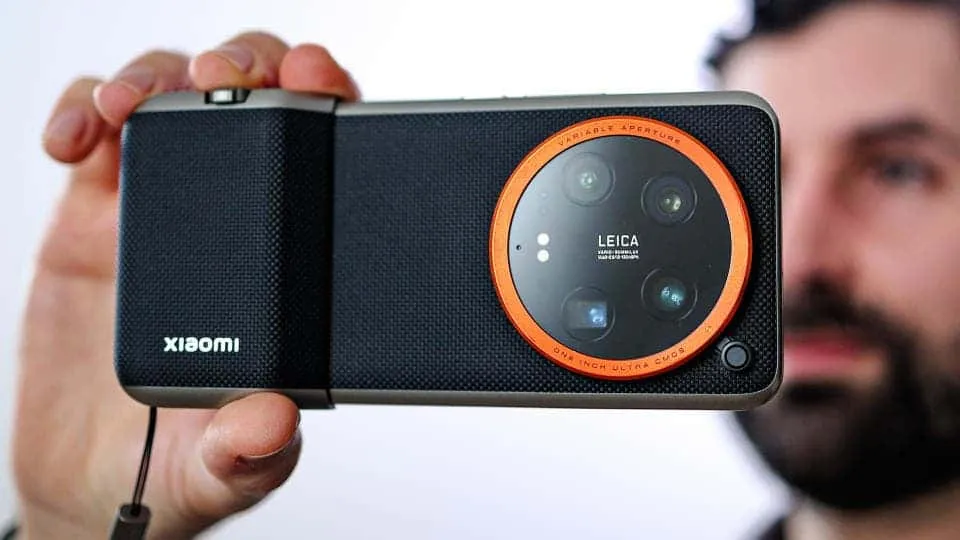
Each year, phone makers stand on stage and
talk about new gains in their camera tools. More megapixels, wider lens, smart
night mode, new zoom trick and so on. On paper, it all sounds huge. In ads, the
photos look sharp and rich. Yet when most of us scroll our own camera roll, the
gap feels small.

That is not to say phones have not got better.
They have. A mi-range phone today can beat a top model from ten years ago. But
the pace of improvement has slowed in a way that is hard to feel in daily life.
The leap from bad to good was clear. Now, the leap from good to better is not.
For many users, the real limit is not the lens
or the chip. It is the scene, the light, and the way we take the shot. A better
sensor does not fix a dull sky. A sharp lens does not help if the hand shakes.
We now live in an age where the tool is fine but the hard part is what we do
with it.
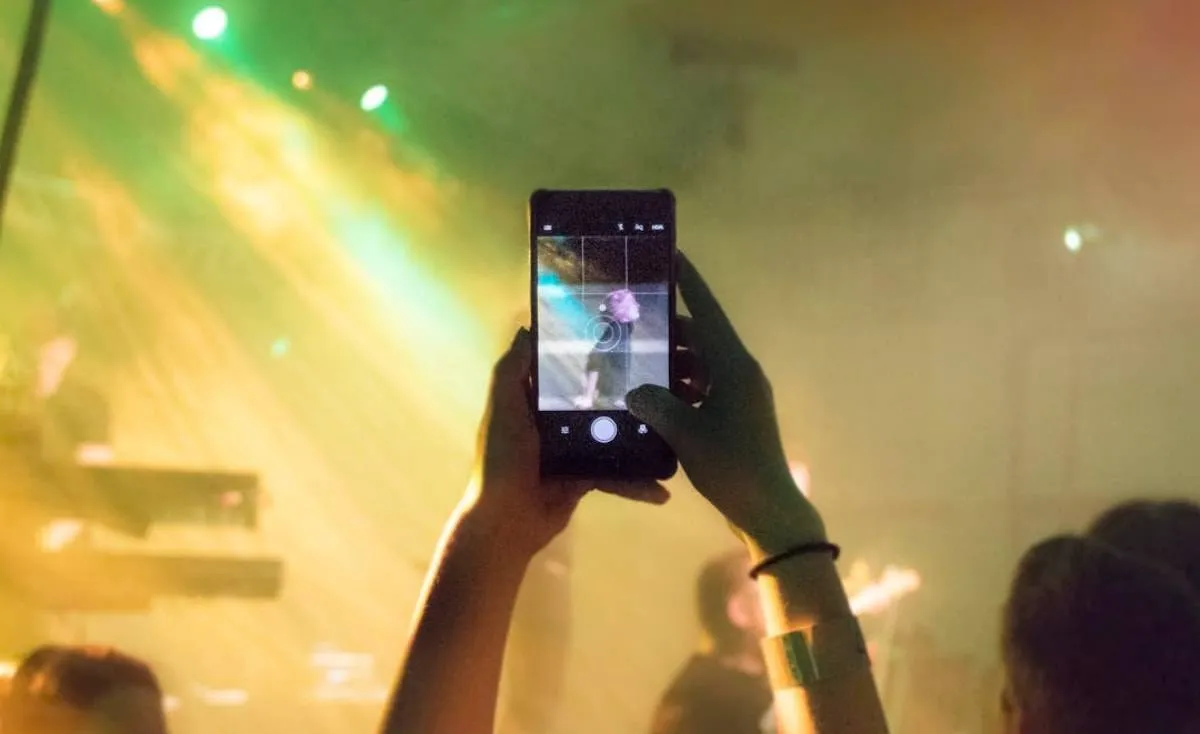
Most gains are hard to see
Think back to early smart phones. Faces were
soft. Night shots were near black. Zoom was a blur. Now, even a base model from
firms like Xiaomi or Huawei can take a clear photo in dim light. The big flaws
are gone.
So what do new gains add? Often, more detail
you only see if you crop in. Or less noise in a shot you may never print. Or a
new mode that works well in rare cases. These are real steps, but they are
small.

Most people view photos on a small screen.
They share them on apps that shrink and press the file. A 50MP shot may end up
as a tiny image in a chat. In that case, the jump to 100MP means very little. In
lab tests, the score may rise. In daily life, the gain can fade.
Smart tools now shape the look
A key shift in the last few years is the rise
of smart image tools. Phones do not just take a photo. They blend many frames,
tune the light, smooth skin, and boost color. Firms such as Apple, Samsung and
Google lean hard into this. So do the big Chinese brands.
This means two phones with very close parts
can still give very diff looks. One may push warm tones. One may lift the dark
parts. One may smooth faces more than some like.
At some point, the photo is less about the
lens and more about taste set by code. When each firm chases a bold look, gains
can feel fake. The sky gets too blue. The grass too green. Faces too clean. The
shot pops at first, then feels odd on a big screen.
So even as the parts get better, the end shot
may not feel more real. For some users, it feels less so.
Daily life is not a test lab
Most of us take photos in rush. A quick snap
at lunch. A group shot at night. A pet that will not sit still. In such cases,
ease and speed may matter more than raw power.
A top sensor may need a split second more to
blend frames. A new zoom lens may need good light to shine. In dim bars or
bright noon sun, all phones face the same hard facts of light and shade.
There is also more movement, kids run, cars move and winds blows air. A phone can only do so much to freeze that. A better chip helps,
but not in a way that feels like magic.
In truth, the gap now lies in how we use the
tool. Few of us tap to set focus. Few step back to frame the shot. We trust
auto mode, and auto mode is now good on most phones. So the edge of a high end
model may go to waste.
The law of small gains
There is a simple rule in tech. The first
gains are huge. The next gains are small. The early jump from 5 to 12 MP was
clear. From 48 to 64 MP is not.
Lens size can grow only so much in a thin
phone. Sensor size can grow, but then the bump grows too. Brands walk a fine
line. Users want slim phones, yet also want pro level shots.
So firms find small wins. A bit more light. A
bit less blur. A bit more zoom reach. These add up over time, but no one step
feels like a leap.
This is why many people keep a phone for three
or four years now. The new model may do well, but the old one still takes
good shots.
More gear does not mean more joy
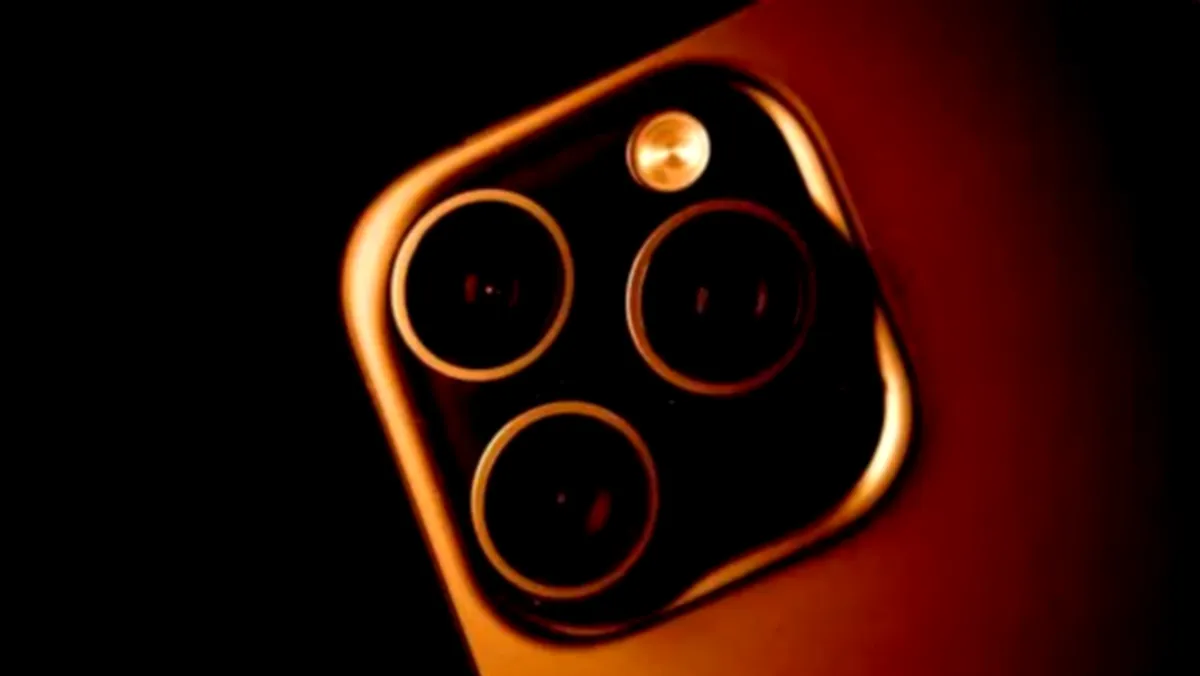
Some new phones pack three or four rear lens
units. Wide, ultra wide, tele, macro. On paper, it is a feast. In real life,
many users stick to the main lens most of the time.

Extra lens can help on trips or at events. But
for daily snaps, they may sit idle. A macro mode is fun for a week. A long zoom
is nice at a show. Yet how often do we need 10x zoom at the park?
The truth is that most daily photos are of
people, pets, food, and quick scenes. A solid main lens with good tone is often
enough.
When firms add more gear, they can boast of
more range. But range is not the same as better daily joy.
We have hit “good enough”
There was a time when phone photos were so
poor that we felt the pain each day. Now, they are good enough for most needs.
That may sound dull, but it is a sign of growth.
“Good enough” does not mean no room to grow.
It means the pain is gone. When pain is gone, gains feel less key.
A night shot that once looked like a dark blur
now looks fine. These fixes were huge. The next step, from fine to a bit finer, is hard to
sell in daily life.
Skill still beats specs
There is one last point that phone ads do not
stress. A skilled eye can do more than a new part. Light, angle, and timing
still rule.
A person who waits for soft light near dusk
will get a better shot than one who snaps at noon, no matter the phone. A step
to the side can fix a harsh back light. A pause to frame the shot can lift it
from dull to neat.
In that sense, we may have hit a stage where
the best way to get better photos is not to buy a new phone, but to slow down. It is time for picture lovers to start learning. Learn everything from the best settings to the most suitable lighting conditions or position.
The camera race will go on. Firms like Apple,
Samsung, Google, Huawei, and Xiaomi will continue to make new gains. Some will
matter. Some will not.
But for daily life, the big leaps are behind
us. What we have now is more than most of us use. The rest is up to us.


Loading