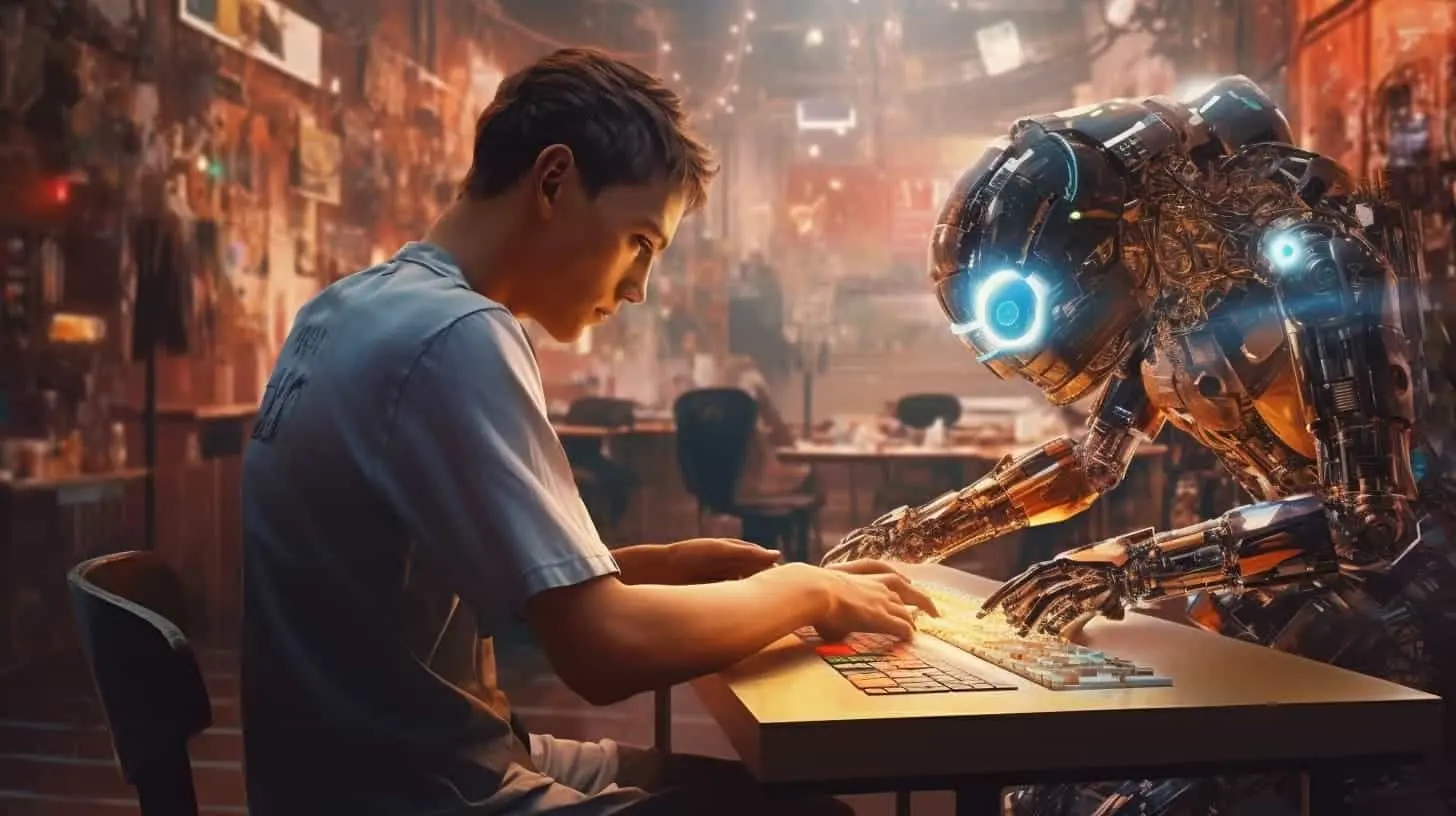
If you scroll through social media today, you’ll see faces that don’t
exist, sunsets that never happened, and smiles made by machines. AI image tools
have made creating perfect photos as easy as typing a sentence.

Apps that can make portraits, travel shots, or fashion photos in
seconds are now everywhere. What once took a skilled photographer an hour of
setup, lighting, and editing can now be faked fast.
This new wave of photo creation is exciting for
makers, but it’s also quietly killing trust. If every image can be faked, how
can we know what’s real anymore?
The new face of lies
AI-made photos have become so real that even experts struggle to spot them.
People can now make pictures of themselves in places they’ve never been or
wearing clothes they never owned. Groups can create “proof” of
protests that never happened. Scammers can make fake dating
profiles that look totally real.
Read also

These tools blur the line between art and
trickery. They let people play with who they are, but they also give anyone the
power to fool others. The risk isn’t only in fake videos of stars. It’s also in
the many plain images quietly shaping how we see truth online.
When beauty becomes fake
The rise of fake photos is also changing how we see beauty. Many AI
portraits look flawless—smooth skin, perfect light, clean tones. Real photos
now look rough next to these machine-made ones. As people chase that perfect look,
our sense of what’s “normal” starts to twist.
Influencers post AI-touched selfies
that look real but aren’t. Fashion brands use fake models to sell real clothes.
Dating apps fill up with edited faces that no longer match life. The smoother everything looks, the less honest it feels.
Losing faith in photo proof
For years, photos served as proof. They caught moments that words alone
couldn’t show. A photo was something you could trust. That trust is fading
fast.

AI-made photos have made it harder to trust
real ones. A shot of a news event now brings instant doubt. Was it taken by a
reporter or made by a prompt? The power of photo proof—once our anchor
in truth—is slipping away.
When people can’t tell real from fake, doubt
grows. We start to assume lies by default. And when everything feels staged,
even truth starts to look false.
The race to stop the lies
Tech firms know the issue, but fixes are slow. Some plan digital tags
or hidden marks to show AI-made images. Others are working on tools that can
spot fake photos. Yet, these tools can’t keep up with how fast AI changes.
At the same time, social media sites have
mixed aims. AI-driven content brings clicks, likes, and money. Few want to
block a feature that boosts traffic, even if it spreads lies. So the burden
often falls on users to stop, check, and think before they believe.
Finding truth in the mess
Not all AI photos are bad. Artists use them to test new ideas. Teachers use
them to teach photo skills. Some reporters even use AI tools to show scenes
when no real photo exists. The issue isn’t making—it's being honest.
When makers clearly mark AI photos, people can
enjoy them as art. The problem starts when fake photos pose as truth. We lose
trust not just in images, but in each other.
Holding on to the real
The AI photo wave isn’t slowing, but being aware can still help. People
crave truth, even in an age of filters and lies. Real, raw moments—those caught
by a camera, not a code—hold a power that machines can’t fake.
The
future of photos may depend on how much we still value truth. As the online
noise grows louder, we must learn to look closer, ask more, and remember that
honesty still counts—even when pixels lie.
Popular News
Latest News
Loading