There is a specific kind of exhaustion that comes with following mobile tech in 2026. We’ve reached a point where the "slab" phone is so perfected it's boring, yet the supposed successors—the foldables—still feel like they’re making a frantic argument for their own existence. For years, we’ve heard the same grievances: they’re too heavy, the crease is distracting, the durability is a gamble, and the price? Well, let’s just say you could buy a decent used car for what some of these cost.
Despite that, the industry is currently obsessed with "more." More hinges, specifically. With the Western launch of the Samsung Galaxy Z TriFold and the looming shadow of the Huawei Mate XT 2, the conversation has shifted to tri-folds. But after spending some time with these "fold" prototypes, I’ve realized something that feels almost blasphemous in a tech review: adding more hinges is exactly where we go wrong.

The future isn't about more folding. It’s about being flexible.
Key Points
- The "Hinge Multiplier" Problem: Adding more hinges to create tri-folds increases mechanical complexity and doubles the risk of hardware failure.
- The Durability Paradox: Tri-fold designs like the Huawei Mate XT leave delicate flexible screens exposed as structural corners, making them incredibly vulnerable to drops.
- Rollables Solve the Crease: By curving the screen around a scroll rather than folding it sharply, rollable technology finally eliminates the distracting display "valley."
- Adaptive Aspect Ratios: Unlike fixed-size foldables, rollable screens can be unrolled to exact sizes—perfect for switching between 21:9 movies and 4:3 productivity.
- Thickness Consistency: Rollable phones expand horizontally, avoiding the "thick brick" feel of stacking multiple display panels on top of each other.
The Problem with the "Z"
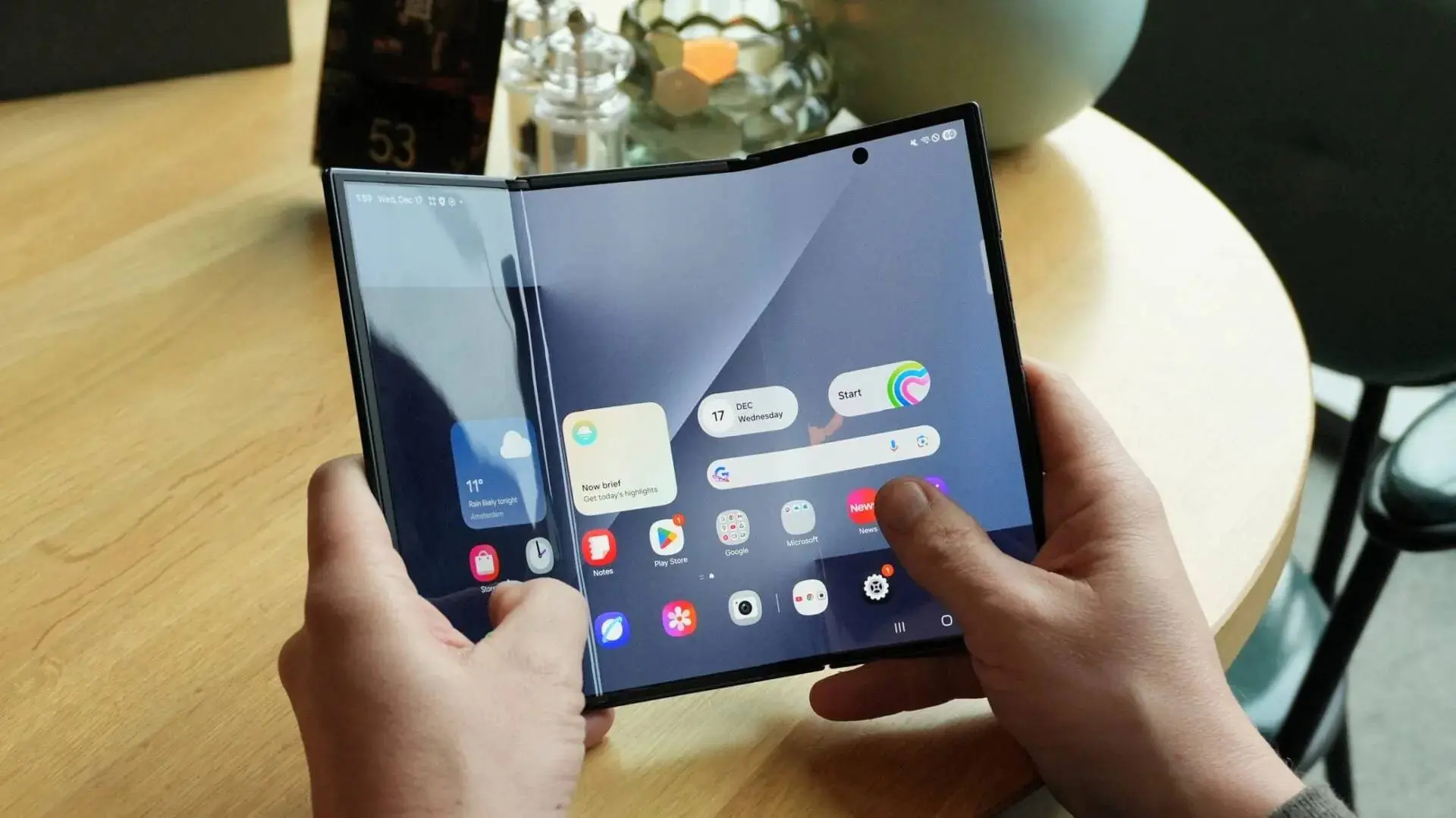
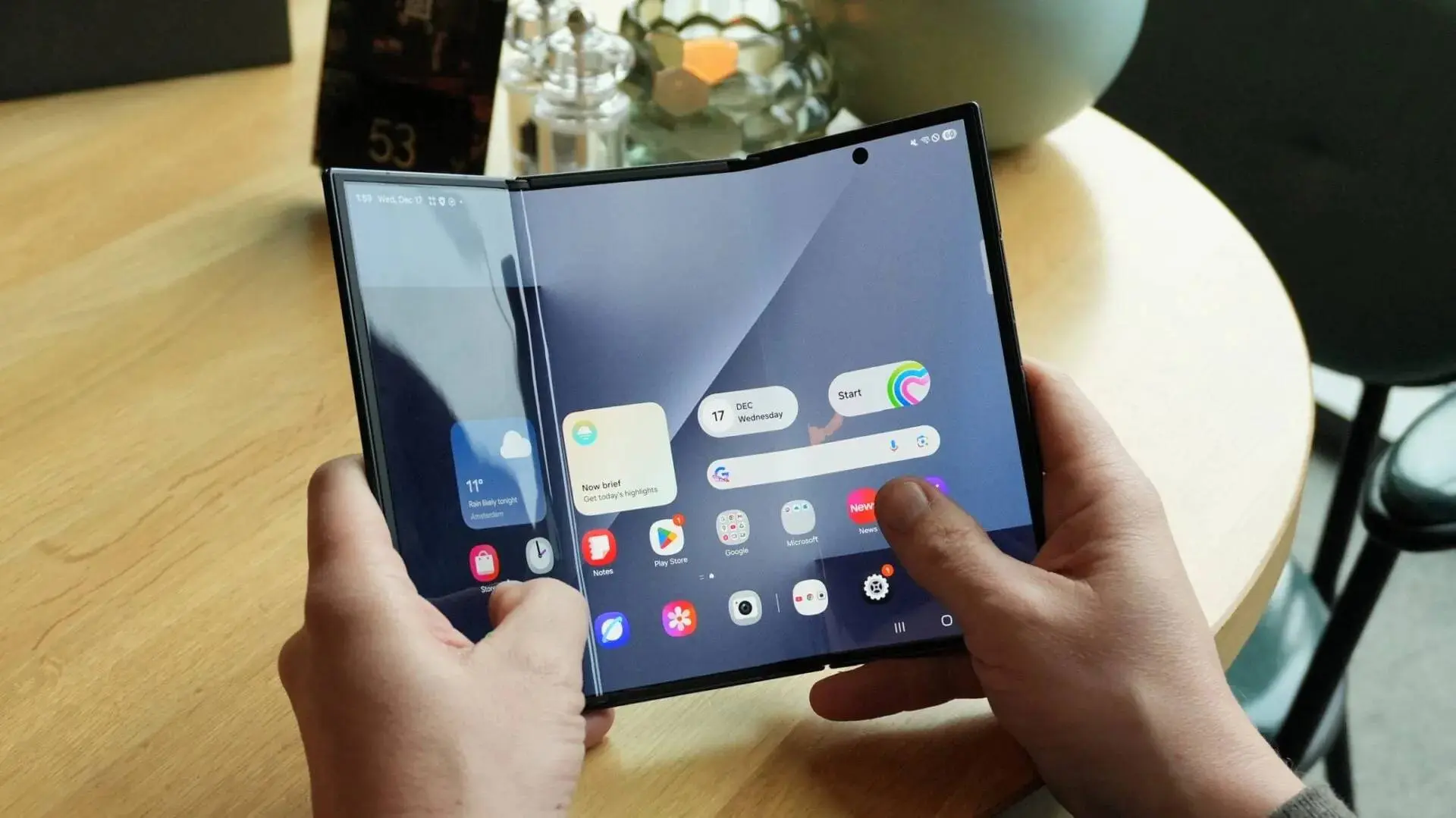
Technically, these are bi-fold devices, but "tri-fold" has stuck because of the three screen segments. On paper, it’s a dream. You pull a 10-inch tablet out of your pocket. It’s the ultimate "one device" promise. But in practice? It’s a mechanical anxiety attack.
Take the Huawei Mate XT’s zig-zag approach. To make it work, one entire section of the fragile, flexible OLED is always exposed to the outside world. It forms the actual corner of the device when it’s closed. I don’t know about you, but the idea of a $3,000 screen being the primary point of impact if I drop it on a sidewalk makes my stomach turn.
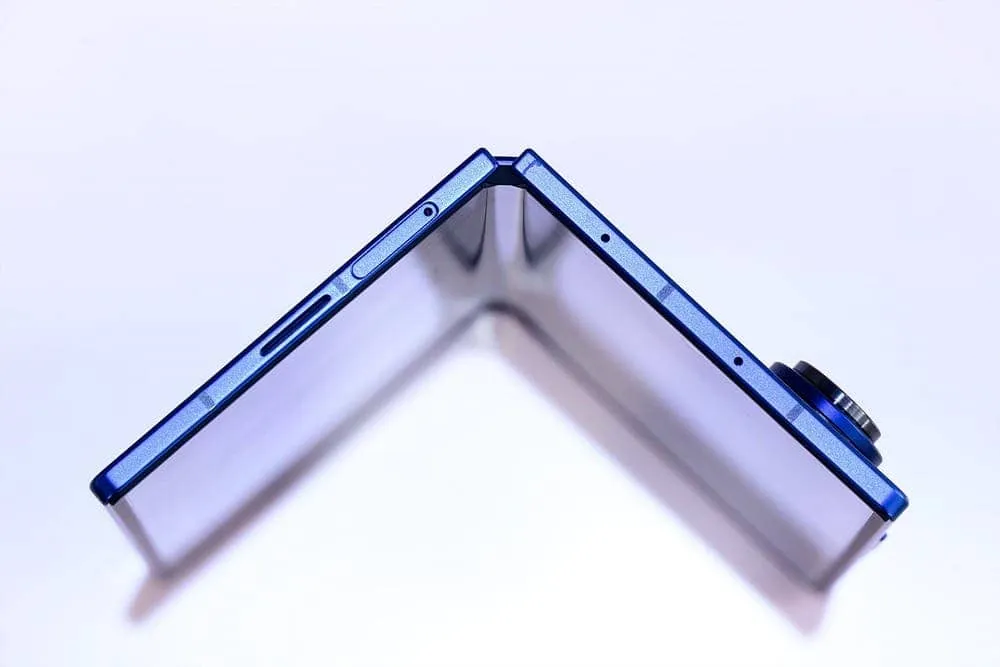
Samsung tried to solve this with their "Christmas card" fold, where the screen stays on the inside. It’s safer, sure, but it turns the phone into a literal brick in your pocket. We’ve seen amazing progress in thinning out devices like the Galaxy Z Fold 7, but when you stack three layers of glass and internal bracing, you’re basically carrying a pocket-sized dictionary.
Why Rollables Are the Actual Endgame
I’m increasingly convinced that foldables are just the awkward puberty of the flexible display era. The real "holy grail" is the rollable. We’ve seen the patents for years, and now, with rumors of the Samsung Galaxy Z Roll potentially hitting shelves in late 2026, the shift feels inevitable.
Think about the mechanical difference. Instead of a sharp, high-pressure bend at a hinge—which creates that inevitable crease—a rollable phone tucks the extra screen away by curving it gently around a motorized internal scroll.
There are a few reasons why this is just... better:
- Variable Screen Real Estate: A foldable is either open or shut. A rollable can be whatever size you need. Want a 21:9 cinematic view for a movie? Just unroll it halfway. Need a massive square for a spreadsheet? Go all the way.
- Goodbye, Crease: Because the display never undergoes a hard fold, the "valley" in the middle of your screen effectively vanishes. It feels like a single, solid piece of glass.
- Consistency: A rollable stays the same thickness whether it’s "expanded" or "compact." You aren't unfolding a sandwich; you're widening a phone.
A Bit of Human Hesitation
Now, I should probably qualify this. I’m a bit of a skeptic when it comes to motorized parts. I remember the pop-up selfie cameras of 2019—they were cool until a grain of sand got in the gears. Rollables will face that same hurdle. A motorized frame that slides out is just one more thing that can break, jam, or get "crunchy" after a year of use.

Perhaps we don't need motors? I’ve seen some concepts for manual "pull" mechanisms that use high-tension springs. It’s less "sci-fi," but it feels more reliable. If I’m spending two months' rent on a handset, I want to know a dead battery or a tiny motor failure won't lock my screen in a half-open state.
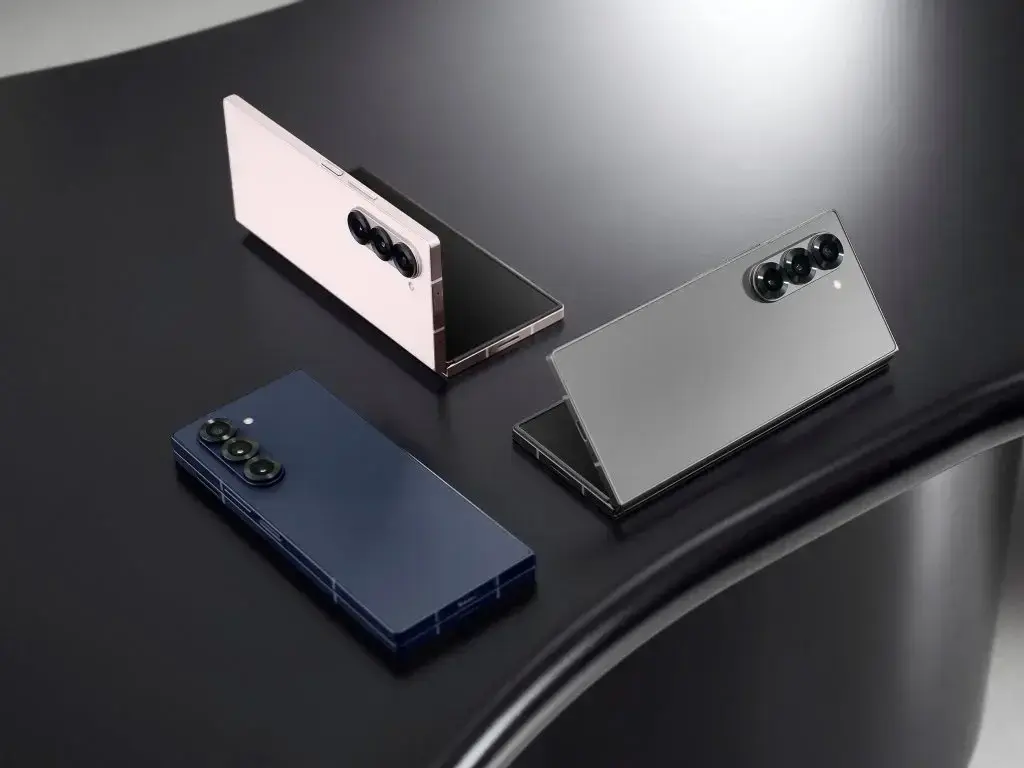
My Take: The Choice We’re Facing
In my opinion, we are currently at a fork in the road. One path leads to increasingly complex, multi-hinged devices that feel like origami experiments. The other leads to a phone that behaves more like a digital scroll.
Apple’s rumored entry into the space with the iPhone Fold (likely later this year) might breathe new life into hinges, but I suspect even Cupertino is looking at rollable tech as the final destination. Foldables are a great bridge, and they’ve certainly gotten me used to the idea of a screen that moves. But once you see a screen smoothly "flow" out of a phone's frame without a single visible crease, it’s very hard to go back to a device that has a physical spine.
The tri-fold is a technical flex, but the rollable is the actual solution.
loading
Popular News

Latest News
Loading