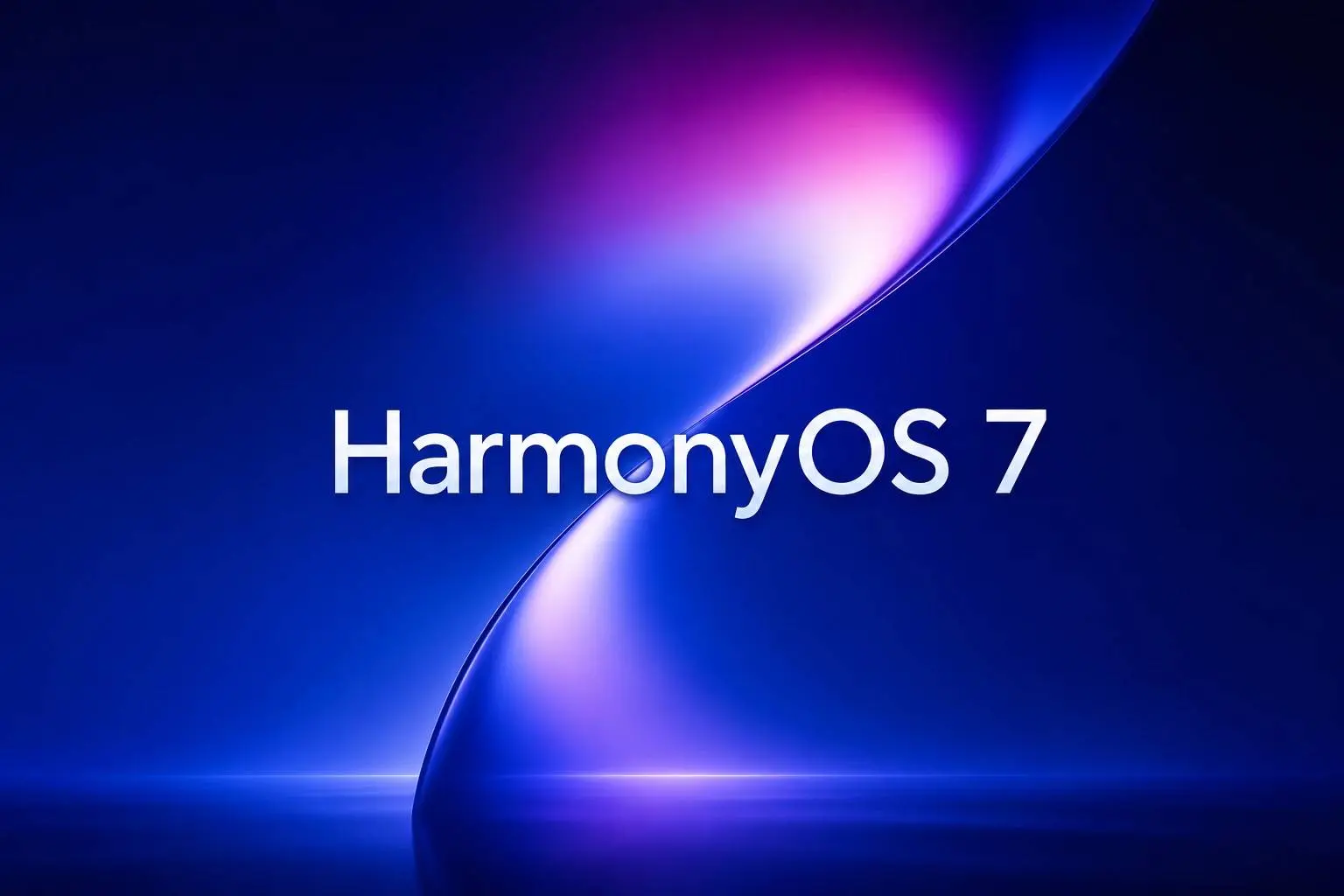
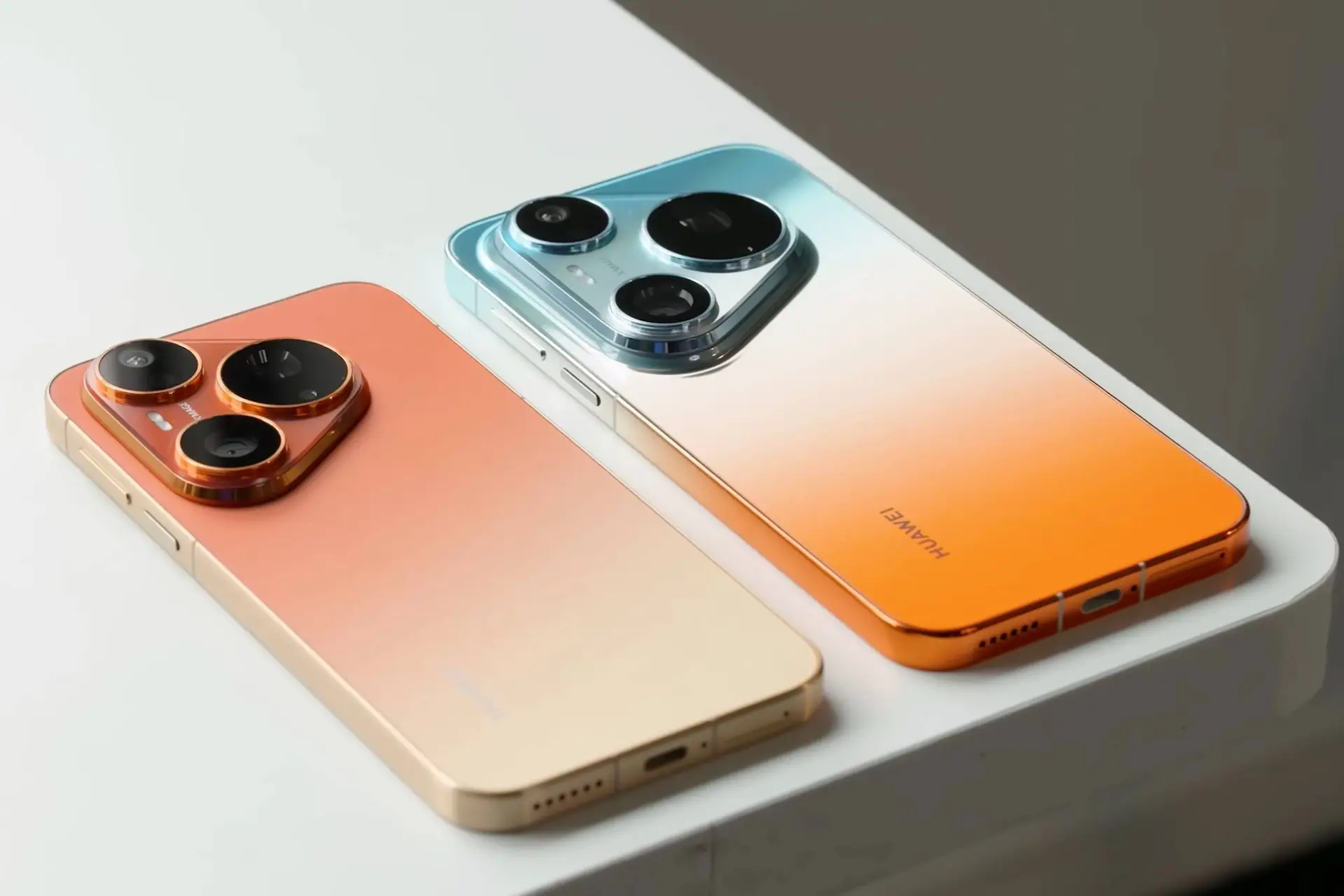
Huawei unveiled HarmonyOS 7 yesterday at its developer conference in China. The design direction is immediately obvious — glass-like UI elements, 3D scene effects on the lock screen, and translucent system controls across the entire interface. It's the same Liquid Glass aesthetic that Apple announced with iOS 26 and that Samsung is bringing to One UI 9. Huawei is the third major OS to go this direction in 2026.
Developer beta available today. Stable rollout coming this fall.
Key Points
- HarmonyOS 7 officially unveiled at Huawei's developer conference — coming to smartphones, tablets, computers, wearables, and IoT devices
- Liquid Glass-style UI with glassy sliders, buttons, and system elements throughout — lock screen gains 3D scene effects that convert any scene into a depth-layered visual
- HarmonyOS Intelligent Agent Framework 2.0 powers an "agentic AI" assistant with in-app command support and claimed 90%+ task execution rate
- New AI photo editing tools alongside the assistant upgrades — Huawei describes the AI approach as "intent as a service"
- 15% performance improvement over HarmonyOS 6.1 claimed — developer beta available today, stable update arriving fall 2026
The Design Shift Everyone Is Making
Apple's iOS 26 debuted Liquid Glass at WWDC on June 9 — three days ago. HarmonyOS 7 follows today with its own glass-effect interpretation. Samsung's One UI 9 is in beta with the same aesthetic. This isn't coincidence — it's a simultaneous industry pivot toward translucency, depth, and frosted material effects as the dominant UI language of 2026.
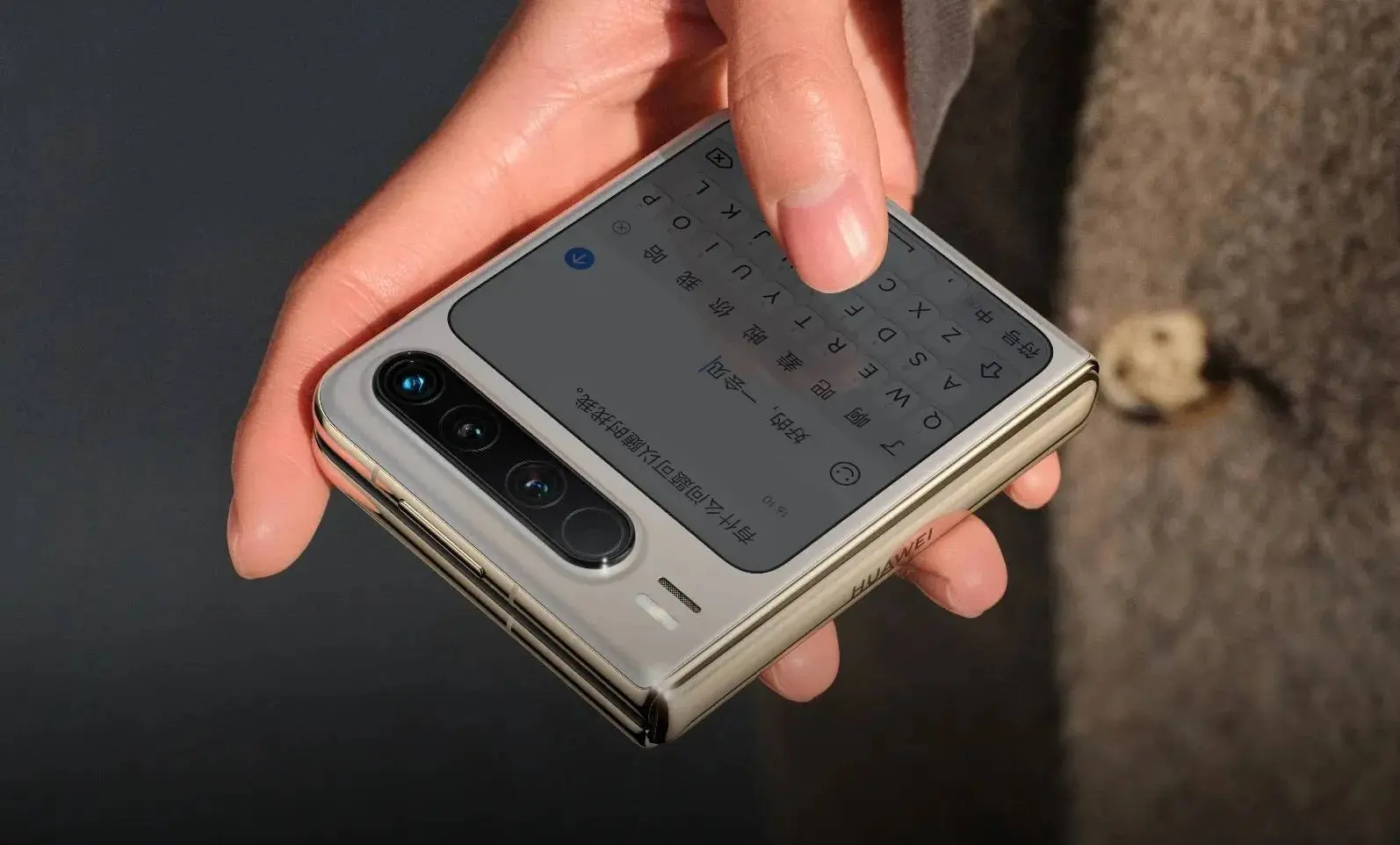
Huawei's implementation covers system UI elements like sliders and buttons, the lock screen with 3D depth effects, and notification surfaces.
The 3D scene conversion on the lock screen is the most distinctive feature — it takes a flat photo and renders it with perceived depth, similar to Apple's depth-aware lock screen wallpapers but applied more broadly.

The Agentic AI Framing
"Agentic AI" is Huawei's term for an assistant that doesn't just answer questions but completes tasks inside apps. The 90%+ task execution claim sounds impressive until you notice Huawei is acknowledging that roughly 1 in 10 requests still fails — which is either honest or concerning depending on how complex those requests are. In-app command support means the assistant can navigate apps on the user's behalf rather than just surfacing information.
The "intent as a service" language in the Intelligent Agent Framework 2.0 announcement is corporate buzzword packaging for what is essentially a context-aware task execution layer — the AI understands what you're trying to accomplish and routes the work to the appropriate app or service automatically.
The Apple Parallel
The article notes that Huawei's announcement and release schedule "seems to be heavily inspired by Apple." Developer beta today, stable release in fall — identical to Apple's WWDC-to-September cadence. The Liquid Glass UI direction, the agentic AI assistant positioning, and the performance improvement headline all mirror how Apple presents iOS upgrades. Whether this reflects genuine convergence on best practices or deliberate imitation is a question the industry will debate.
The 15% performance improvement over HarmonyOS 6.1 is claimed without specifying the benchmark methodology — which is standard practice across the industry. Real-world app launch and gaming improvements will be visible in hands-on testing once the stable update ships.
Popular News
Latest News
Loading