Huawei Reclaims Top Spot in China as iPhone Shipments Surge in Q1 2026
HuaweiSaturday, 18 April 2026 at 00:07
The numbers out of Counterpoint Research today tell two very different stories about China's smartphone market. One is a market under pressure from rising memory costs. The other is Apple quietly having a spectacular quarter.
Summary
- China's smartphone market declined 4% year-on-year in Q1 2026, pressured by surging DRAM and NAND memory costs, supply chain disruptions, and the high base effect of last year's government subsidy programs.
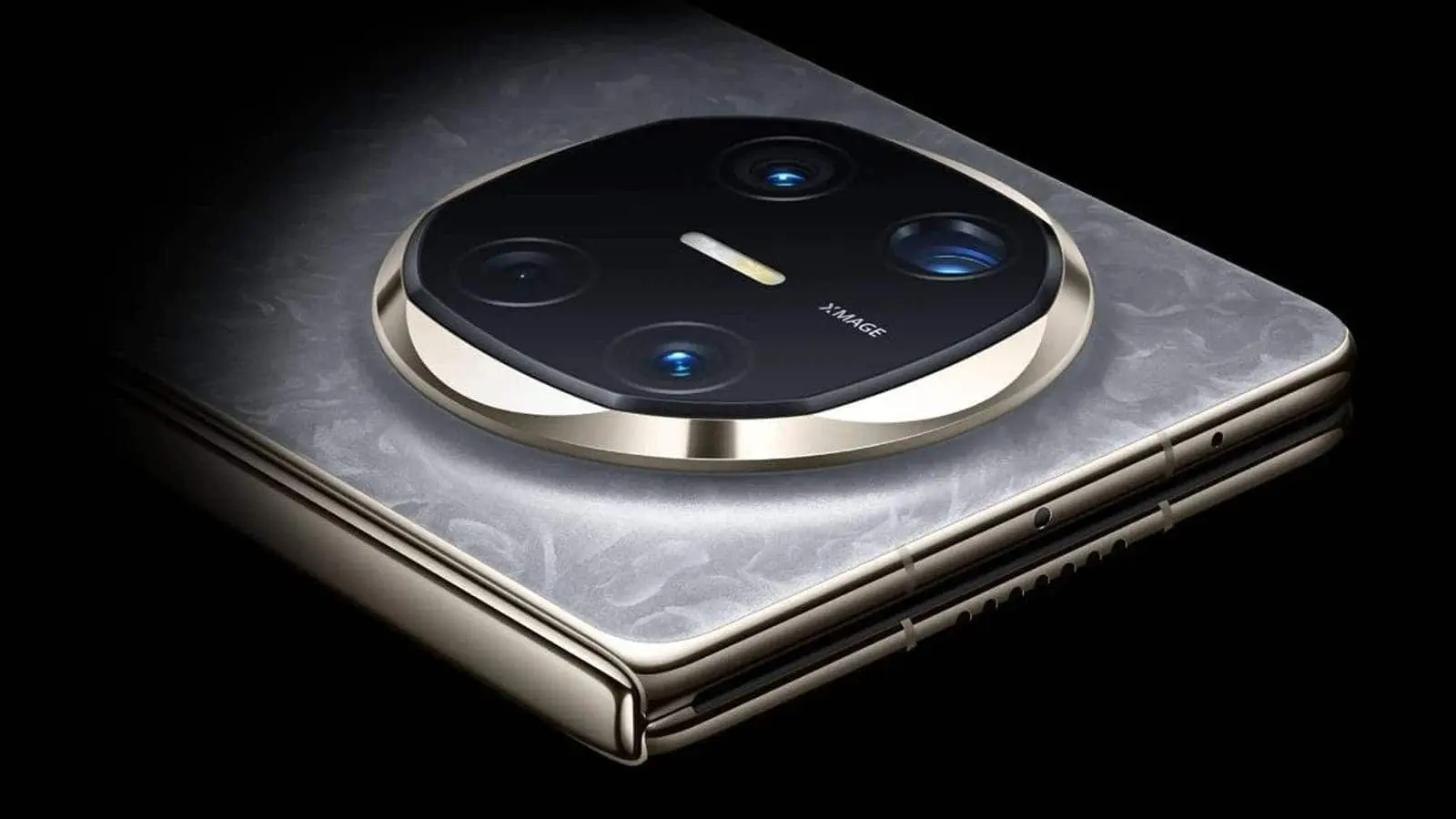
- Huawei retained the top position with a 20% market share on 2% YoY growth, supported by the Mate 80 series, government subsidies, and a local supply chain that cushions it from global memory cost pressures.
- Apple delivered 20% YoY growth — the fastest among the top six brands — reaching 19% market share, driven by strong iPhone 17 series demand, promotional pricing, and targeted subsidies.
- Xiaomi suffered the most dramatic reversal in the top tier, with shipments plunging 35% YoY, dropping the brand to sixth place — a consequence of conservative pricing strategy and the high base set by last year's aggressive subsidy-driven sales.
- Counterpoint analyst Ivan Lam warns that rising component costs will sustain market pressure through Q2 2026, and projects a 9% full-year decline for China's smartphone market overall.
The memory crisis isn't affecting every brand equally — and that asymmetry is the real story here.

Apple's Supply Chain Advantage Is Showing Up in the Numbers
A 20% shipment increase at a time when the overall market fell 4% isn't just impressive — it's structurally significant. While Xiaomi and other mid-range-heavy brands are being squeezed between rising component costs and price-sensitive consumers, Apple absorbed much of the memory cost increase internally rather than passing it to buyers. Counterpoint specifically called Apple the best-positioned manufacturer globally to weather the memory shortage.
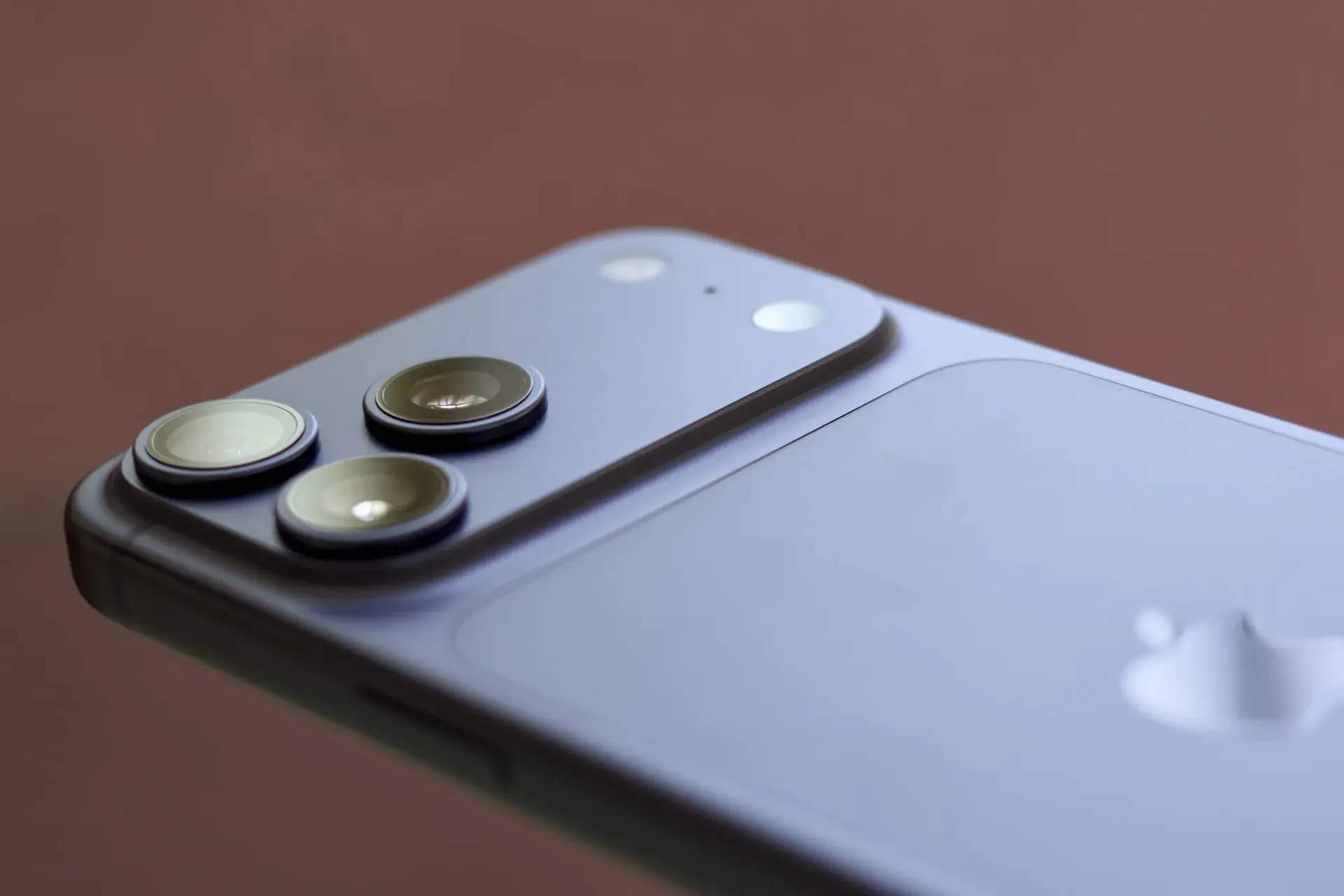
The iPhone 17 series did the heavy lifting, but the strategic context matters as much as the product. When competitors were forced to raise prices, Apple held ground. In a market full of price-sensitive consumers, relative value looks a lot more attractive when everyone else gets more expensive.
Huawei's Position Is Stable — Not Dominant
Huawei's 20% market share with 2% YoY growth is solid, but it's stability rather than a dramatic reclaim. Its local supply chain — sourcing components domestically rather than from the global memory market — insulates it from the cost shocks hitting Qualcomm-dependent brands. That structural advantage is real and durable, particularly in an environment where DRAM and NAND prices are running 50–90% above last year.
Read also
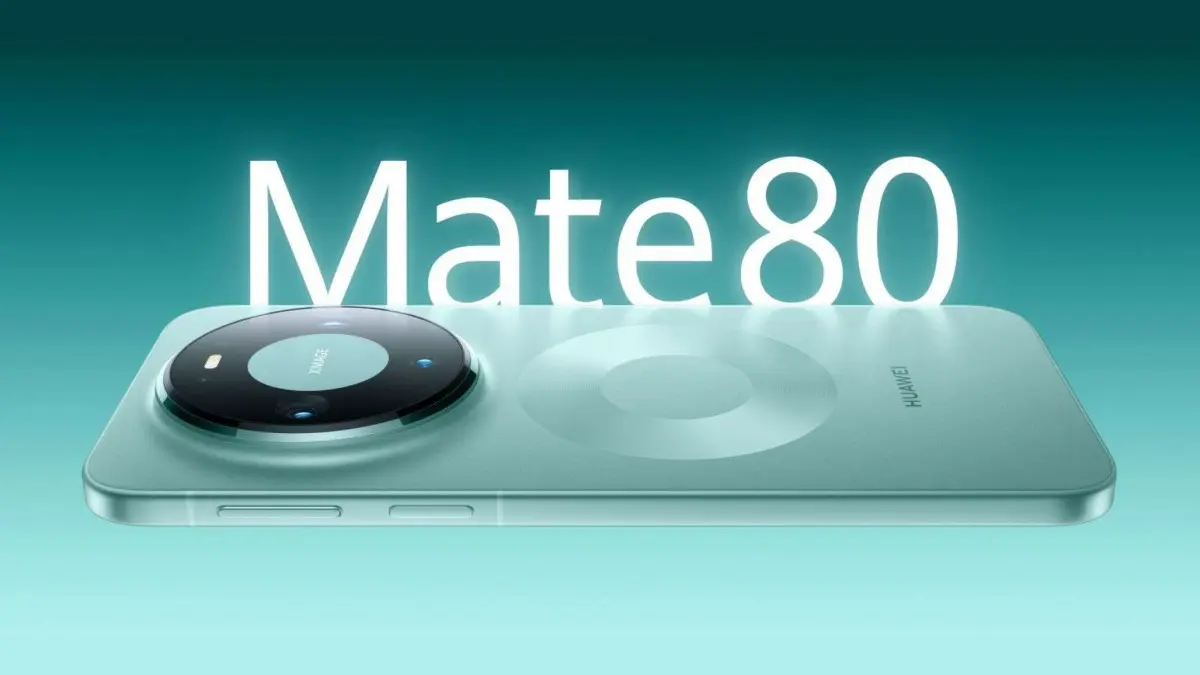
The Mate 80 series continues to perform well, and government subsidy support has helped sustain demand in the premium domestic segment.
Xiaomi's 35% Drop and What It Actually Means
Here's the catch on Xiaomi's decline: it's partly a comparison problem. The brand ran heavily subsidized pricing in Q1 2025, creating an inflated base against which this year's results look catastrophic. A cautious pricing approach in Q1 2026 — reasonable given the memory cost environment — produced the largest drop of any top-six brand. Xiaomi fell to sixth place, behind Huawei, Apple, vivo, OPPO, and HONOR. Frankly, vivo's quiet 2% growth during the same period, driven by the Y50 and S50 series capturing price-sensitive Lunar New Year buyers, is arguably the underreported story of the quarter.
The full-year outlook for China's market is grim: Counterpoint projects a 9% decline for all of 2026. For brands without Apple's supply chain leverage or Huawei's domestic component independence, the second half of the year looks increasingly difficult.
Popular News
Latest News
Loading