Humanoid Robots Are About to Explode by 508% — And China Is Leading the Charge
newsSunday, 25 January 2026 at 04:06
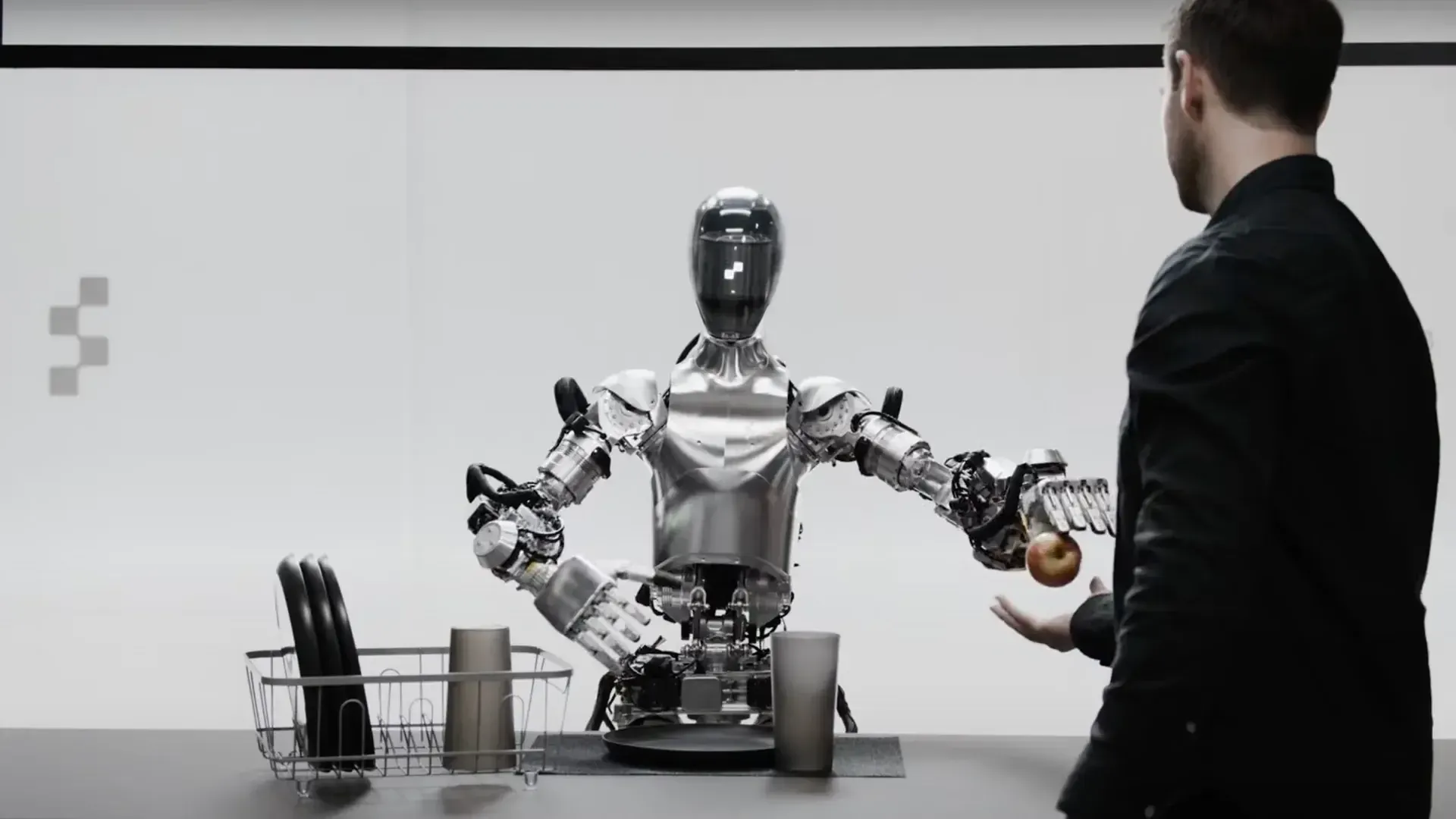
The global market for humanoid robots is about to witness a boom
in the near future. Citing an IDC report, the number of humanoid robots set to ship
by the end of 2025 will be about 18,000 pieces. This is a massive increase of
508% relative to earlier years. It is projected that the revenues from the
sales of humanoid robots will be about $440 million as these robots transition
from the lab to the real world. Currently, Chinese firms dominate the global humanoid
production and sales landscape.

Leaders in the Field
A few key players are
driving these high numbers. Brands like Logic Robotics and Unitree Robotics
have each shipped around 5,000 units, placing them at the top of the industry.
Other brands, including Leju Robotics and Songyan Power, are also playing their
part with major shipments. Notably, with the foreign brands still in their
testing phase, the full - sized robots are the main source of income. This top
class of robots is showing that they are better at handling complex stuff than
their smaller size indicates.
Real-World Applications
Humanoid robots are
finding a variety of jobs in our daily lives. In 2025, these robots will be
used for all you can think of from education to entertainment. Today, you may
spot them either acting as tour guides or even helping with shopping and data
collection during busy periods. The way these robots are sold is also changing.
Instead of a one - time buy, more brands are using
"Robot-as-a-Service" models. This allows other brands to pay for the
work the robot does or subscribe to a service plan, making the new tech much
more affordable.
Advanced Design and Intelligence
It is worth noting
that the core of their success lies in how they are built to work and set up. The
target of engineers was to develop a robot that makes use of a ‘brain and body’.
With this, they can ensure that the two actually help each other. There were
positives in robot finger dexterity; thus, handling objects has actually been
easy. In addition, there has been an emphasis on making them light and modular,
making them quite stable. It is thus obvious that smart sensors and learning
models can be used to simplify robot - human collaborative tasks.
Popular News



Latest News
Loading