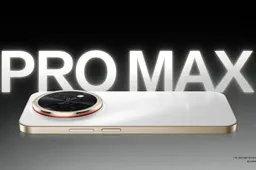
Nothing Phone (4a) Pro Revealed: Irregular Camera, 137 Mini-LEDs, and No See-Through Back
NothingFriday, 20 March 2026 at 10:00
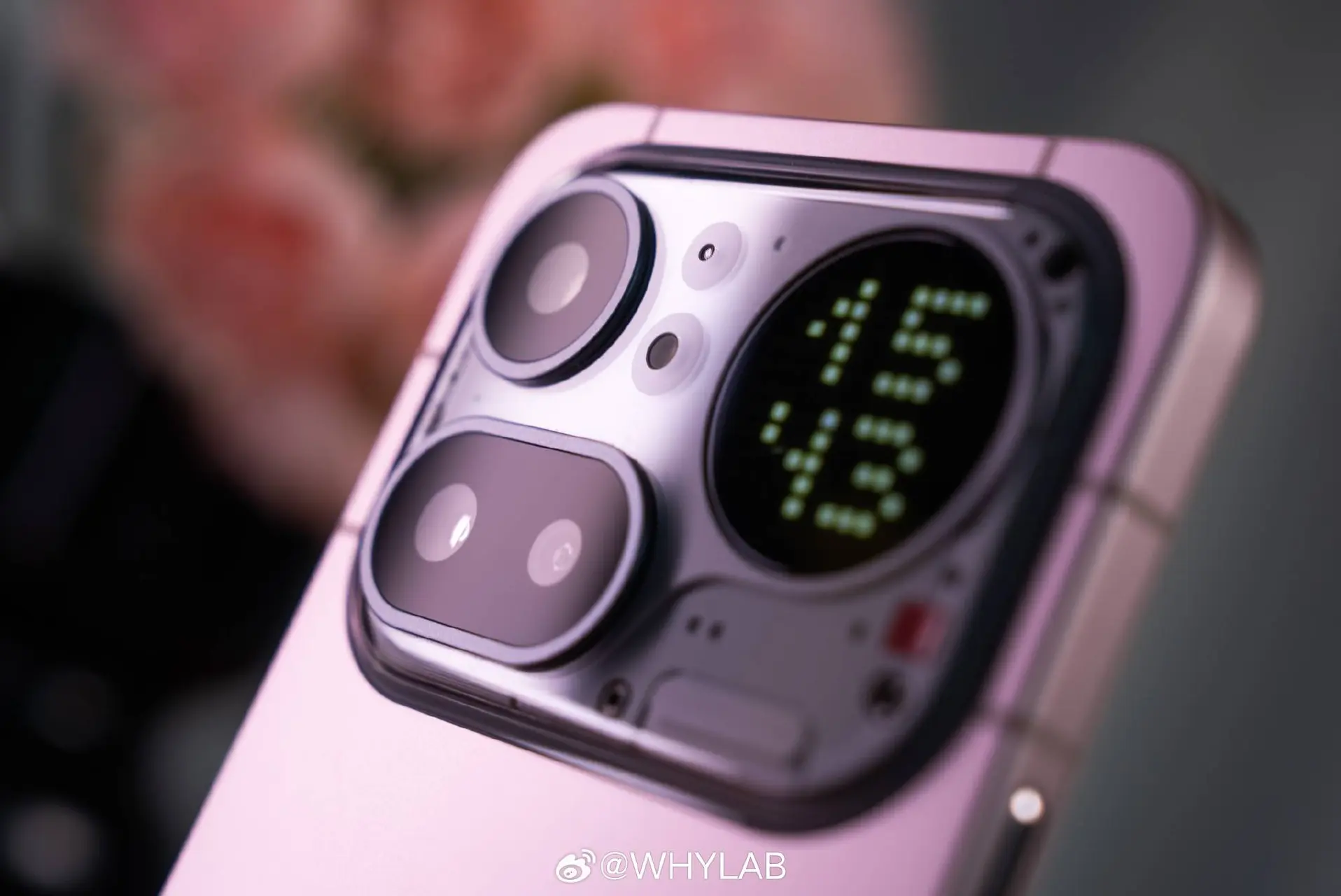
Nothing just showed the Phone (4a) Pro, and the most surprising thing about it isn't the camera module or the upgraded Glyphs. It's the fact that you can't see through it. For a brand that built its entire identity around transparent backs, ditching that design language is a bigger statement than any spec upgrade.

Let's unpack what's actually changed here.
Key Points
- Nothing Phone (4a) Pro features an irregular camera module design for instant visual recognition
- Glyph interface upgraded to 137 independently controllable mini-LEDs — a significant jump from previous models
- First Nothing smartphone to ship with a non-transparent body, marking a deliberate design philosophy shift
- The opaque finish aims for a more premium, understated aesthetic while retaining the brand's distinct personality
- Specs, pricing, and launch timing haven't been confirmed alongside the design reveal

The Transparent Back Is Gone — and That's a Bold Call
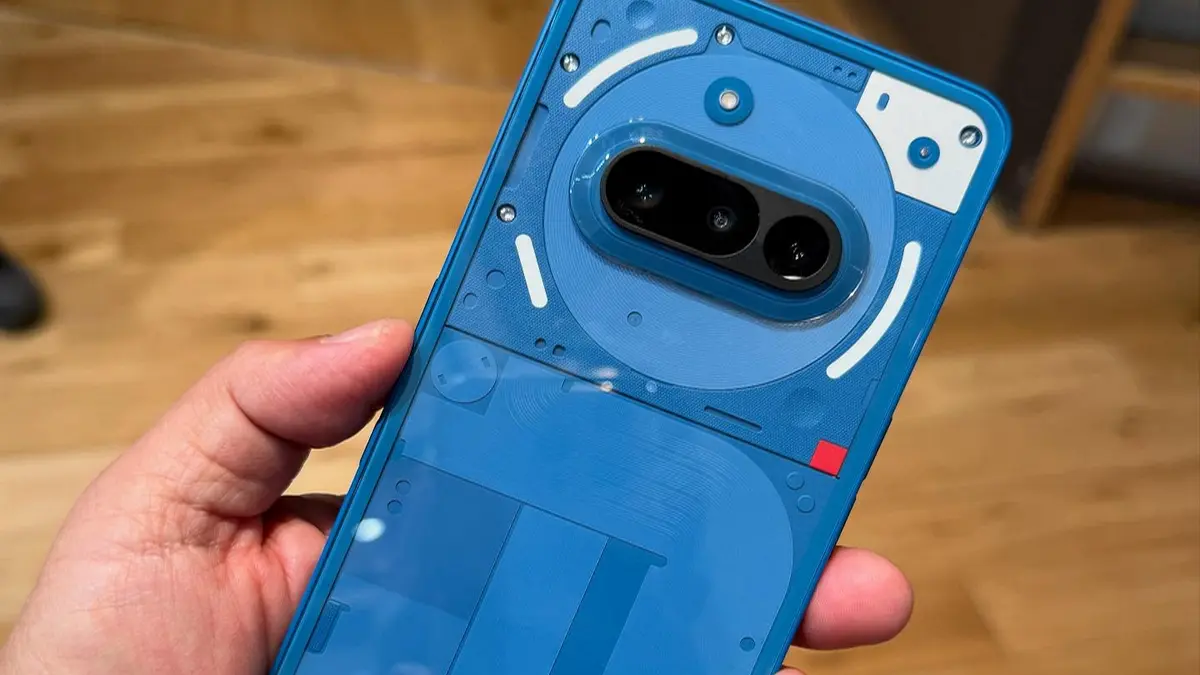
Nothing's see-through chassis wasn't just a design quirk. It was the whole brand story. Every Phone (1) and Phone (2) buyer knew exactly what they were getting — visible internals, exposed components, a deliberate anti-mainstream statement. Dropping that for the (4a) Pro feels almost rebellious against Nothing's own identity.

Whether it works depends entirely on execution. A non-transparent body on a Nothing phone risks looking like any other premium Android device. The irregular camera module is clearly doing some heavy lifting to prevent that — it's unconventional enough to remain instantly recognizable without needing to show the circuit board underneath.

137 Mini-LEDs Is Not a Small Upgrade
The Glyph interface was always the secondary signature feature after the transparent back. Going from a relatively simple LED strip arrangement to 137 independently controllable mini-LEDs changes what the system can actually do. Individual pixel-level control means more complex animations, more precise notification patterns, and a lighting system that can genuinely express information rather than just flash.

It's the kind of upgrade that sounds incremental until you see it running. Then it makes the previous Glyph setups look like prototypes.
More Mature, Still Unmistakably Nothing
The non-transparent body with that irregular camera layout reads as Nothing growing up without losing its edge. More subtle, more premium — but still immediately distinguishable from a Samsung or an iPhone across a coffee shop. That balance is harder to achieve than it sounds, and the early look suggests Nothing pulled it off.
Full specs when they're ready. For now, the design direction alone gives plenty to think about.
Popular News


Latest News
Loading