OPPO Find X9 Ultra and X9s Pro Get Second-Gen Danxia Color Lens With 24 Spectral Channels
OppoThursday, 02 April 2026 at 09:14
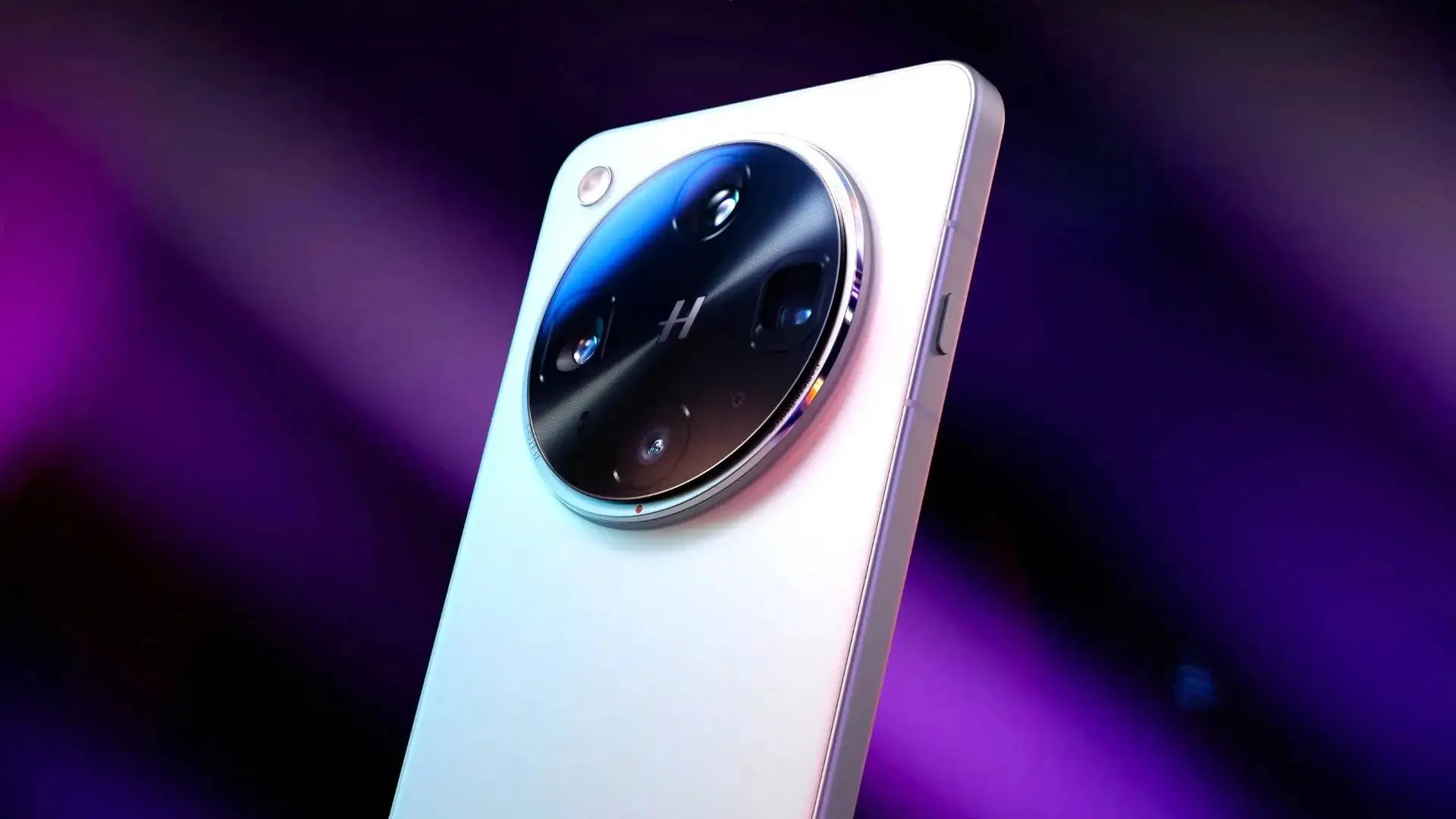
OPPO is putting serious camera hardware into both the Find X9 Ultra and X9s Pro, and the Danxia color lens upgrade is the detail worth paying attention to. The second generation of this technology brings 24 spectral sampling channels and 15EV dynamic range — both meaningful numbers for anyone who shoots in challenging light.

This isn't a software tuning story. It's a hardware upgrade.
Key Points
- Both Find X9 Ultra and Find X9s Pro debut second-generation Danxia color reproduction lens
- Spectral sampling channels increased to 24 — more precise color data capture than the previous generation
- 15EV ultra-high dynamic range handles extreme lighting conditions while retaining highlight and shadow detail
- The Danxia lens is positioned as the centerpiece of both devices' camera systems rather than a secondary feature
- Initial sample comparisons confirm visible improvement in color fidelity over the first-generation lens
24 Spectral Channels — Why That Number Matters
Standard smartphone cameras capture color through three channels — red, green, blue. More spectral channels means the sensor is sampling light across a wider range of wavelengths, which translates directly into more accurate color reproduction in real-world scenes.

Twenty-four channels is a significant jump over the first-generation Danxia implementation. The practical result is skin tones that render more naturally, foliage that separates into distinct greens rather than blending together, and artificial lighting environments — mixed tungsten and LED, for example — that get handled more accurately without the color casts that trip up simpler systems.
Vivo uses a similar multi-spectral approach in the X300 Ultra's True Color Lens. OPPO reaching 24 channels puts them in competitive territory for color science hardware.

15EV Dynamic Range Is a Real-World Differentiator
Fifteen stops of dynamic range means the camera system can simultaneously retain detail in a bright sky and a shadowed foreground — the scenario that exposes the limitations of weaker imaging systems most visibly. Most flagship phones land in the 12-13EV range under real conditions. Fifteen is genuinely high and should be visible in backlit portraits, golden hour shooting, and indoor-outdoor compositions.

Whether OPPO's processing pipeline uses that dynamic range data well is what sample shots will confirm. The hardware ceiling is there.
Both Devices, Not Just the Ultra
The second-gen Danxia lens appearing in both the X9 Ultra and X9s Pro rather than being reserved exclusively for the flagship is a meaningful decision. X9s Pro buyers get the same color science hardware as Ultra buyers — differentiation between the two devices presumably comes elsewhere in the camera system rather than at the color reproduction layer.
Launch timing still pending. Camera hardware this specific surfacing ahead of release suggests the reveal is close.
Popular News

Latest News
Loading