How Samsung pushes foldable phones to the limit with the Galaxy Z TriFold
EditorialSaturday, 13 December 2025 at 12:24
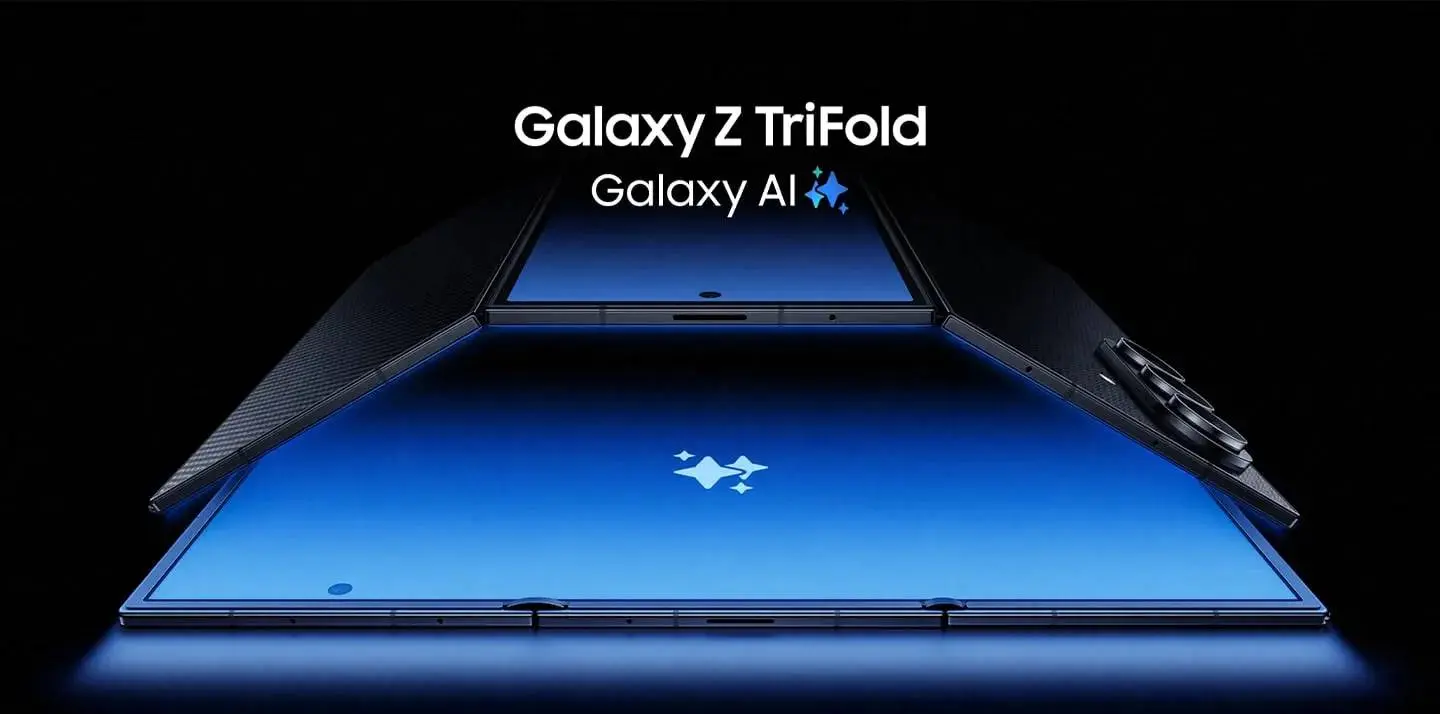
Samsung’s Galaxy Z TriFold is not just a new
phone. It’s a statement about what foldable devices can do. The company’s latest
flagship takes a bold step. It goes beyond traditional foldable designs. This device offers a
unique feature called “App Continuity.”

Source: ITHome
This function allows apps to maintain
their state as users switch from the outer screen to the inner screens. It preserves video playback, text input, or game progress. There is no interruption.
In most foldable
phones, moving an app from one screen to another can force it to restart. The
TriFold’s approach avoids this. It promises a smoother and more natural user
experience. Yet this seamless operation hides a subtle compromise. Samsung
reduces the rendering resolution of the outer screen when App Continuity is
active.
While this stops apps from restarting,
screenshots taken during use show a lower resolution than the screen’s native
view. Most users may not see this in daily use. But it shows the tricky balance
Samsung faces to keep performance, clarity, and flow.
The Complex Hardware Behind the Scenes
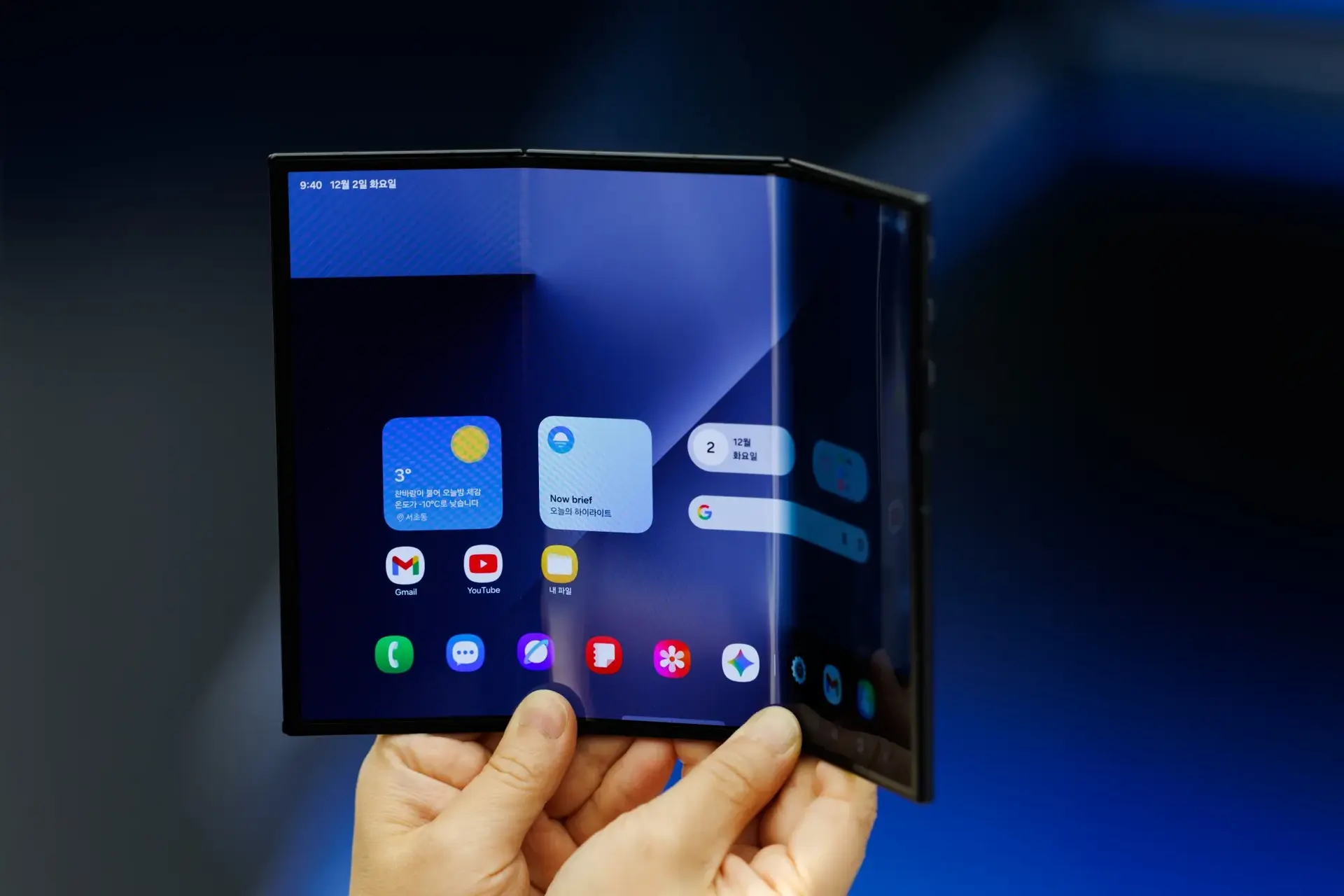
The Galaxy Z
TriFold is unlike any phone Samsung has built before. Its three-screen layout
unfolds into a wide digital canvas. But it comes with unique software
challenges.
By default, the phone opens to the One UI Home Screen when
unfolded. Users must manually enable the setting that allows apps to continue
running across screens. This is a small adjustment that shows the novelty of the
design.

Source: ITHome
The resolution
adjustment is more than a minor tweak; it is a necessity. The outer screen has a
higher pixel density than the inner screens. Android interprets this as a
“configuration change” if apps are switched directly, forcing them to reload.
Reloading interrupts video and cancels text input. It also undermines the smooth flow of the device. Well, Samsung is promising zero interruption.
By rendering the outer screen at
a slightly lower resolution, the system sees both screens as logically
equivalent. This maintains app continuity without forcing restarts.
To keep the visual
look strong, Samsung uses hardware upscaling. Low-res images are stretched to
fill the screen, making them look clear and natural to the eye.
The compromise
is only clear in screenshots, which capture the raw frames at a lower resolution.
For many users, this is a small cost for smooth multi-screen use.
Why the TriFold matters
The Galaxy Z TriFold
is a bold step in reshaping the phone experience. Beyond speed and power, it is
about how people use their devices. By studying user behavior during
multi-screen rides, Samsung can tune the interface to fit many needs. Users can
set light, screen view, and sound, creating a personal space that turns travel
into rest or fun.
On a wider scale,
the TriFold shows how far foldable phones have come and how far they still must
go. Hardware and software need to grow together. Choices like lower
resolution show the tough balance in this design.
Though the phone is costly
and a bit complex, it offers a view of the next phone stage. Phones may not be
limited to one screen or one layout. They could give fluid, multi-tasking use
that fits the user, not the other way around.
Samsung’s Galaxy Z
TriFold is a futuristic device. It shows that change often comes with
trade-offs. Also, smooth software can be as key as strong hardware.
While
screenshots show the small limits, the full experience proves that foldables are in
a new stage. This stage is one where continuity, ease of use, and user focus define progress.
For those curious about the future of mobile tech, the TriFold is both a
promise and a preview of what’s ahead.
Popular News

Latest News
Loading