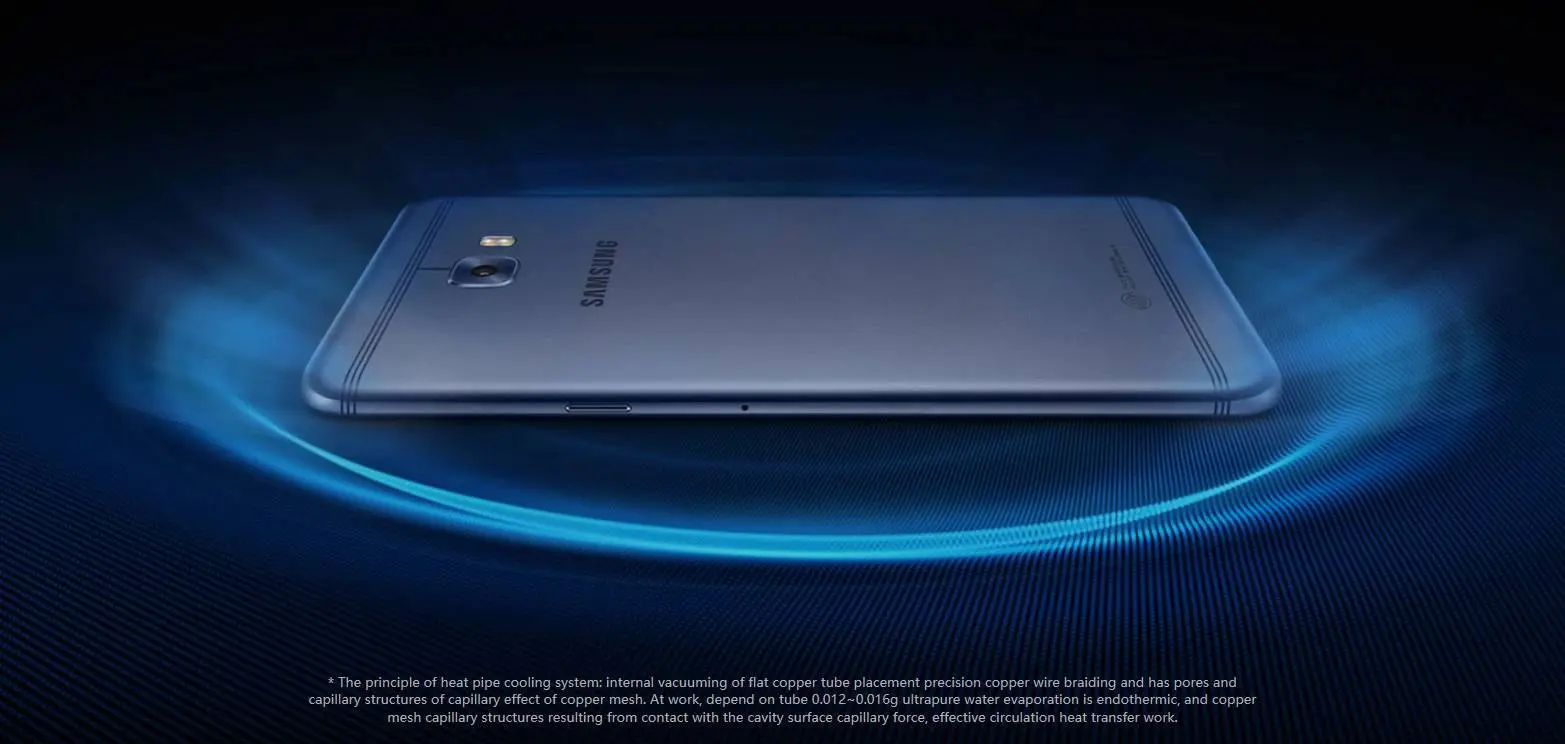
Phones are getting ridiculously hot. We ask them to run heavy AI tasks and push console-level graphics on a daily basis. They bake our hands. Samsung wants to stop this. The company's developing a pure liquid cooling system for the Galaxy series. It's a genuinely smart move.

Summary
- Smartphones overheat heavily during intense AI tasks and gaming sessions.
- Samsung's engineering a pure liquid cooling system for its devices.
- The new design specifically targets the upcoming Galaxy smartphone lineup.
- This setup completely eliminates bulky fans and mechanical operating noise.
- Competitors are patenting similar advanced thermal management concepts right now.
Let's look at the reality of our current hardware. We expect these tiny glass and metal slabs to process local artificial intelligence instantly, completely without breaking a sweat. We demand incredibly high frame rates for massive mobile gaming titles. That takes immense power. Power means heat. Heat destroys both performance and battery longevity. That's the ugly truth of modern mobile hardware. If you push a flagship processor hard, it almost always throttles. It slows down just to survive the thermal load.

The end of thermal throttling
Samsung's taking a serious swing at this fundamental physics problem. A pure liquid system sounds complicated, I guess. It definitely beats the alternative, though. Traditional cooling methods like mechanical fans add unnecessary weight. They make annoying noises. Nobody wants a heavy phone that sounds like a tiny drone taking off in a quiet room. Samsung's extensive research focuses purely on moving heat away from the main chip efficiently and silently. They want to keep the device incredibly light and totally quiet. It's an absolutely necessary evolution for the entire mobile industry.
Competitors aren't exactly sleeping on this issue. Apple already holds several patents for advanced thermal management technologies. Everyone knows the current vapor chambers have strict physical limits. Active cooling without mechanical moving parts is basically the holy grail of mobile engineering.

Pushing hardware to the limit
We often forget how densely packed these logic boards are. You've got a massive battery, a cluster of high-end camera sensors, and the main processor all fighting for tiny breathing room. Dissipating thermal energy in that cramped space is a complete nightmare. Liquid cooling provides a dedicated pathway to draw that heat out quickly. The liquid absorbs the thermal spike, moves it away from the sensitive silicon, and disperses it across the chassis. It's an elegant solution.

A quieter mobile future
This shift in thermal architecture changes exactly how we view performance. We can finally stop worrying about our expensive devices melting down during a heavy gaming session. Keeping the processor adequately chilled means it can run at its absolute peak speeds for much longer periods. It's that simple. Samsung seems to understand the assignment perfectly right now. They're clearly prioritizing sustained performance over empty, short-term benchmark numbers. The upcoming Galaxy series will likely benefit massively from this innovative approach. It feels like a very solid step toward phones that actually handle the crazy workloads we throw at them. No loud fans. No burned fingers. Just smooth, sustained, and reliable computing power right in your pocket.
Popular News


Latest News
Loading