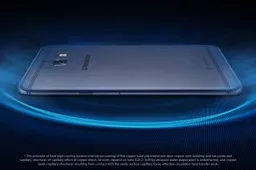
Samsung Galaxy S27 Series Leaks: Horizontal Camera Bar and Massive Battery
SamsungSaturday, 30 May 2026 at 12:01

The Galaxy S27 series is shaping up as Samsung's most ambitious redesign in years. Multiple leakers — including Ice Universe and South Korean tipsters on Naver — are pointing to the same direction: a horizontal pillbox-style camera bar replacing the vertical floating island that has defined Samsung flagships since the S22. The reason is magnets. The design change is hardware-driven.

January 2027 is the expected launch window.
Key Points
- Ice Universe confirmed a horizontal camera bar concept for the Galaxy S27 Ultra — a pillbox-style layout reminiscent of the Galaxy S10 and Google Pixel, driven by the need to accommodate a Qi2 magnet ring
- Samsung is testing silicon-carbon batteries for the S27 Ultra ranging from 12,000mAh to 20,000mAh — a dramatic departure from the S26 Ultra's 5,000mAh ceiling
- Galaxy S27 Ultra expected with variable aperture on a new 200MP main camera using the ISOCELL HPA sensor at 1/1.12-inch — same size as Sony's LYT-901
- Galaxy S27 Pro confirmed at approximately 6.47 inches — shares identical primary and ultrawide sensors with the Ultra, differentiated only by telephoto setup
- Four-model S27 lineup confirmed: standard S27, S27 Plus, S27 Pro, and S27 Ultra — S27 Pro lacks S Pen, positioned as compact Ultra alternative
The Camera Bar Is Real — And Qi2 Is Why
Samsung has used the same floating camera island layout since the Galaxy S22. Four generations of incremental variation, no structural change. The S27 breaks that streak — but not for purely aesthetic reasons.
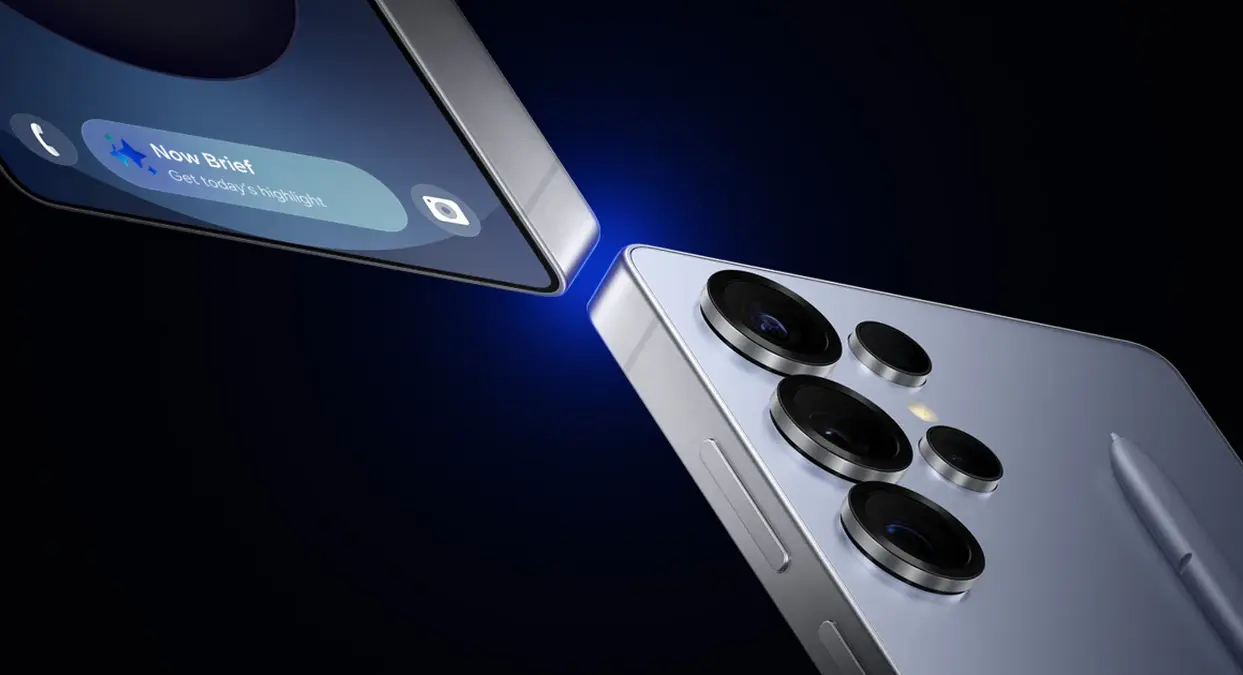
Qi2 magnetic wireless charging requires a circular magnet array positioned around the charging coil. Samsung's vertical camera island occupies exactly that space. Fitting both requires either moving the camera module or abandoning Qi2. Samsung chose to move the cameras. The redesign is a consequence of adding hardware, not a stylistic whim.
Ice Universe's concept shows a horizontal black bar running across the upper portion of the rear panel — a pillbox shape that clears the space needed for the Qi2 magnet ring while giving the S27 a genuinely different silhouette. Ben Geskin's response — "Finally something different" — captured the reaction accurately.

The Battery Leap Could Be Generational
Samsung has stubbornly maintained a 5,000mAh cell across multiple Ultra generations despite silicon-carbon technology enabling significantly larger capacities without proportional weight increases. The S27 Ultra changes that. Testing at 12,000mAh, 18,000mAh, and 20,000mAh reflects Samsung exploring multiple scenarios rather than one confirmed target — but the direction is unambiguous. Multi-day endurance without compromise is the goal.
Read also
Silicon-carbon battery chemistry is already shipping in Xiaomi, OnePlus, and Honor flagships. Samsung adopting it for the Ultra puts it on equal footing with competitors who moved earlier.
Variable Aperture Returns — With 200MP
Variable aperture appeared briefly in the Galaxy S9 and disappeared. The S27 Ultra reportedly brings it back — this time on a 200MP main sensor using Samsung's new ISOCELL HPA at 1/1.12-inch. That sensor size matches Sony's LYT-901, currently one of the largest mobile sensors available. Variable aperture allows the lens to physically adjust f-stop — enabling wider apertures for low-light and narrower apertures for depth of field control, something fixed-aperture smartphone cameras can't replicate.
The 3x telephoto is also reportedly being removed from the S27 Ultra — replaced by a more capable primary and longer-range periscope, eliminating what many reviewers considered a redundant intermediate zoom step.
Four Models — S27 Pro Is the Compact Ultra
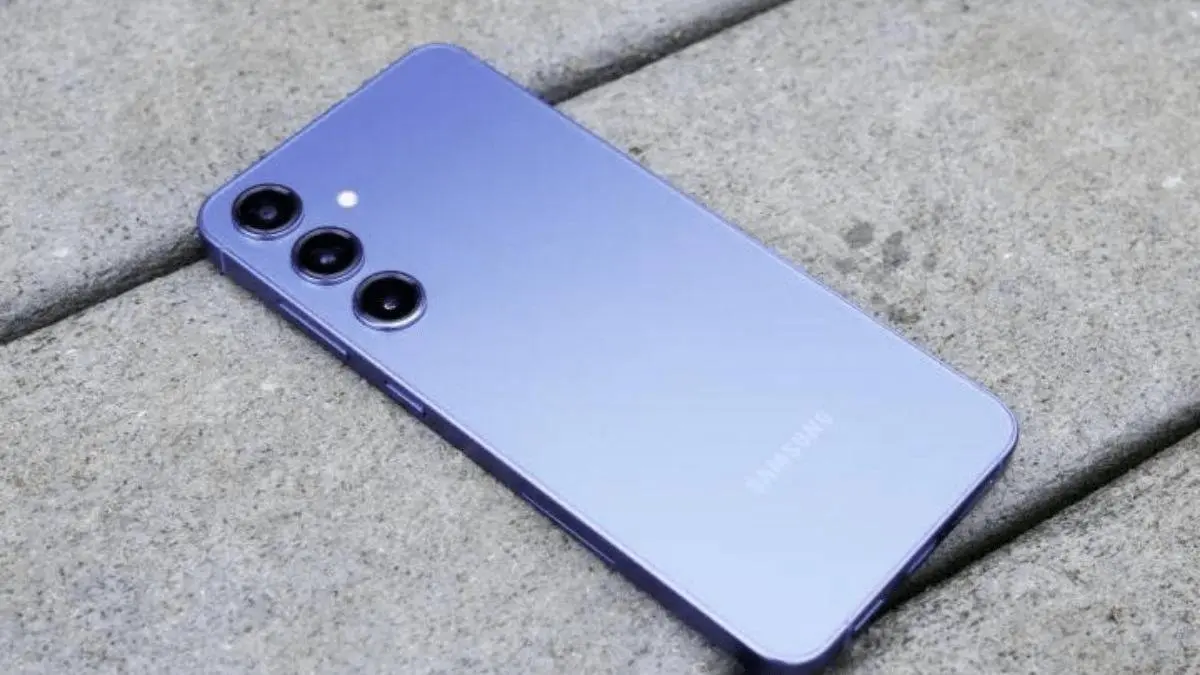
The S27 Pro at 6.47 inches fills the gap Samsung has left for compact premium buyers. It shares the S27 Ultra's primary and ultrawide sensors. The telephoto setup differentiates the two — Pro gets a more modest zoom range, Ultra gets the full periscope treatment. No S Pen on the Pro. Snapdragon chipset globally for the Pro, potentially breaking Samsung's selective Exynos strategy.
Popular News


Latest News
Loading