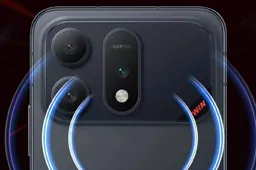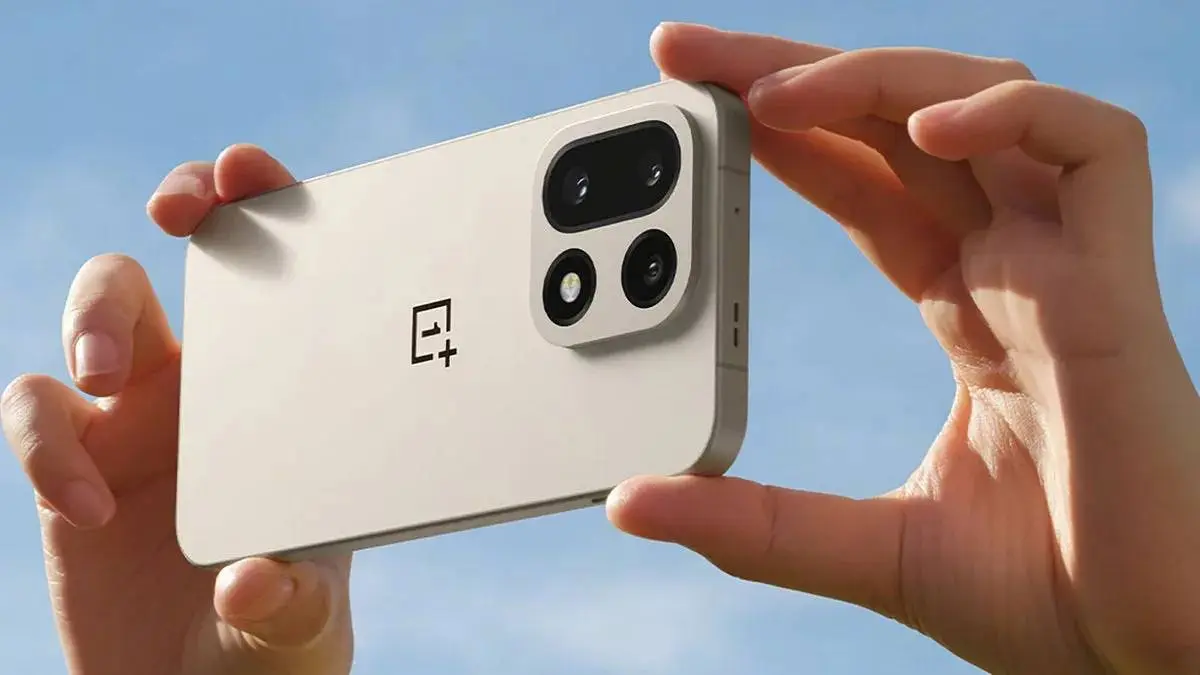
Smart PIkachu has confirmed the OnePlus 16 runs Snapdragon 8 Elite Gen 6 Pro (SM8975) — the higher-tier 2nm Qualcomm chip with LPDDR6 RAM support. That's not the standard Gen 6. The Pro variant. The same chip is in contention for the iQOO 16, making Q4 2026 a direct performance battle between the two brands on identical silicon.

October China launch. Around 5,000 yuan (~$690). A 25% price increase over the OnePlus 15.
Key Points
- OnePlus 16 confirmed with Snapdragon 8 Elite Gen 6 Pro (SM8975) by Smart PIkachu — the higher-tier 2nm variant with LPDDR6 RAM, not the standard Gen 6
- LPDDR6 RAM roughly doubles peak bandwidth from 6.4 Gbps to 14.4 Gbps — a genuine AI and gaming performance upgrade, not a marketing distinction
- 6.78-inch BOE LTPO flat display with 185Hz minimum and up to 240Hz target — LIPO packaging brings bezels to approximately 1mm on all four sides, BT.2020 color gamut
- 200MP periscope telephoto using Samsung ISOCELL HP5 at 1/1.56-inch — a direct response to the OnePlus 15's telephoto weakness that drew consistent criticism
- October 2026 China launch at approximately 5,000 yuan (~$690) — roughly 25% higher than the OnePlus 15's launch price, reflecting memory and chip cost increases
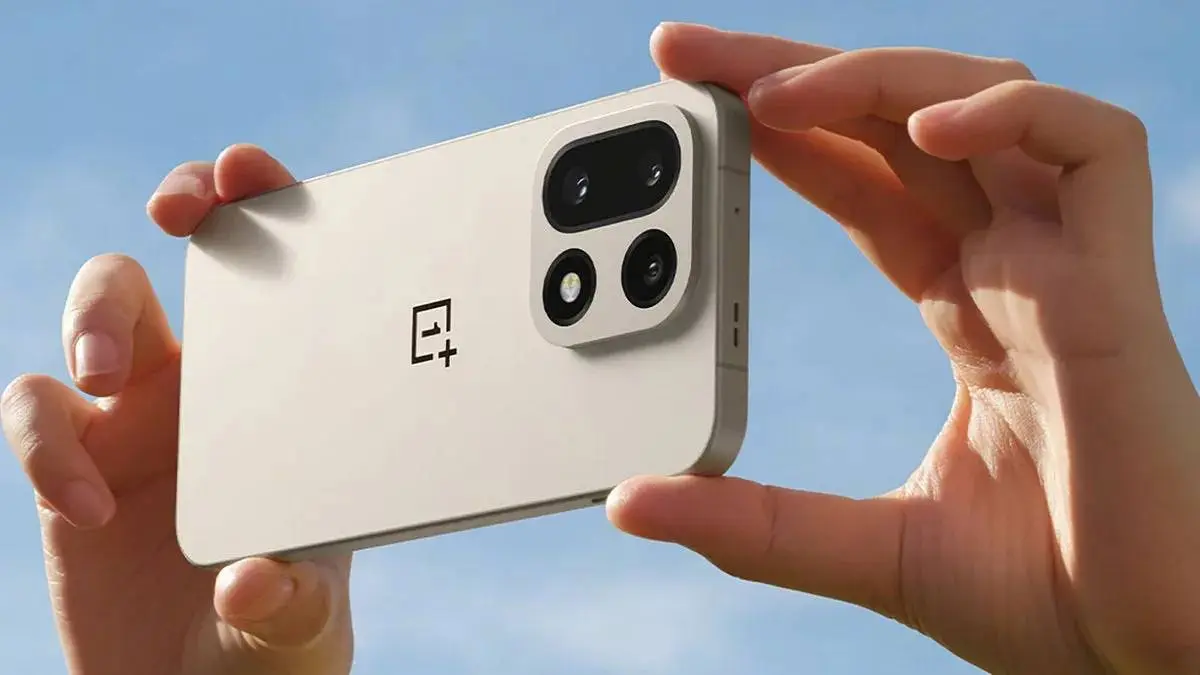
SM8975, Not SM8950 — Why the Distinction Matters
Qualcomm is splitting its 2026 flagship lineup for the first time. The standard Snapdragon 8 Elite Gen 6 (SM8950) and the Pro variant (SM8975) both use 2nm process technology — but the Pro exclusively supports LPDDR6 RAM, delivers higher clock speeds approaching 5GHz on prime cores, and carries a meaningfully higher price to OEM partners.

The OnePlus 16 gets SM8975. That matters for two reasons. First, LPDDR6's 14.4 Gbps peak bandwidth versus LPDDR5X's 6.4 Gbps creates a substantial advantage for on-device AI inference — the workload where memory bandwidth directly constrains response speed. Second, only the top five Android OEMs can absorb the $300+ Pro chip cost at competitive pricing — the 25% price increase on the OnePlus 16 is partly the SM8975 passing through to the consumer.
The 240Hz Display Reframes the Performance Story
The OnePlus 15 topped out at 165Hz. The OnePlus 16's panel evaluates 185Hz as a minimum with 240Hz as the target upper bound. LTPO technology scales dynamically between those bounds — power efficiency at lower refresh rates, maximum responsiveness during gaming or fast content. Custom LIPO packaging brings all four bezels to approximately 1mm, giving the display a genuinely bezel-free appearance.
BT.2020 wide color gamut support — broader than the standard DCI-P3 — improves colour accuracy for HDR content and professional creative work.
Fixing the OnePlus 15's Biggest Weakness
The OnePlus 15's telephoto lens was consistently flagged as the device's weakest link in reviews. The OnePlus 16 addresses it directly with a 200MP Samsung ISOCELL HP5 sensor on a 1/1.56-inch format — significantly more resolving power and light-gathering ability than the 15's zoom camera. At 200MP, meaningful lossless cropping flexibility extends the effective zoom range beyond the native optical capability.
October for China. November for global markets. The price increase is real and unavoidable — but the hardware finally justifies it.
Popular News


Latest News
Loading