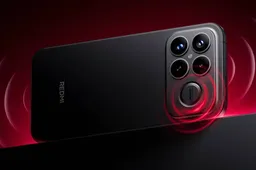
Vivo Is Building a 10,000mAh Phone — and the Battery Chemistry Is the Real Story
VivoSaturday, 18 April 2026 at 07:16
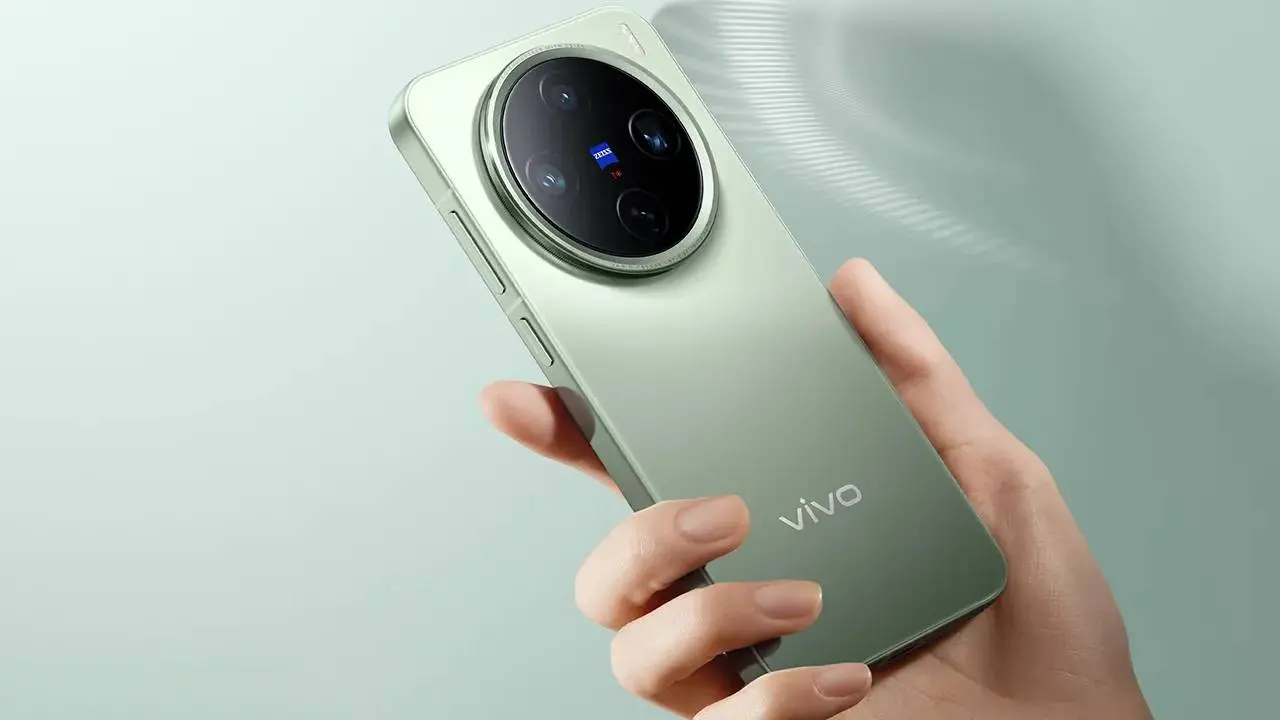
The 10,000mAh smartphone isn't a concept anymore. For Vivo, it's currently on a test bench and it could be named as Vivo Y600 Pro.
Summary
- Tipster Digital Chat Station confirmed via Weibo in February 2026 that Vivo is actively testing a smartphone with a rated 10,000mAh battery — the brand's first device to reach this capacity threshold.
- The battery uses a single-cell silicon design running at 4.53V, significantly above the typical 4.4V cutoff voltage used in conventional lithium-ion cells — a deliberate choice to maximize energy density without a major increase in physical size.
- The typical real-world capacity of this battery is estimated between 11,000mAh and 12,000mAh, meaning the rated 10,000mAh figure may actually undersell what's inside.
- No specific device name or confirmed launch timeline has been officially announced; sources at the time of the leak indicated a commercial release was still months away under the name Vivo Y600 Pro.
- Vivo is entering a segment already occupied by HONOR (Win, launched December 2025) and Realme (P4 Power, 10,001mAh, January 2026), making this a competitive response to established rivals in the ultra-high-capacity battery segment.
A few years ago, 5,000mAh was the ceiling everyone was comfortable with. Then 6,000. Then 7,000. The number kept climbing, and silicon-carbon battery chemistry is the reason it didn't also mean carrying a brick. Vivo's move to 10,000mAh is the next logical step — but the voltage engineering is what makes it genuinely interesting.

Why 4.53V Matters
Standard smartphone batteries max out at around 4.4V. The chemistry becomes unstable at higher voltages with conventional materials — which is why manufacturers haven't simply charged cells to higher levels before. Vivo's reported approach pushes to 4.53V using silicon-based electrode materials that can handle the higher energy density without the safety risks associated with overcharged conventional cells. Silicon holds significantly more charge than graphite, the material used in older battery designs, which means more energy in the same physical volume.

The practical implication: a 10,000mAh rating that may deliver 11,000–12,000mAh in real-world typical capacity. That's not a rounding quirk — it's a genuine surplus baked into the chemistry.

The Market Context
Vivo isn't first here. HONOR launched its Win with a 10,000mAh cell in December 2025, and Realme shipped the P4 Power with a 10,001mAh battery in January 2026. Both used silicon-carbon battery technology to get there without building devices that feel like tablets. Vivo's testing phase confirms the industry direction: ultra-high-capacity batteries are moving from novelty to standard spec consideration for battery-focused mid-range devices.
I suppose the more interesting question isn't whether Vivo will ship this device — it almost certainly will — but where it positions in the lineup and at what price. The Y-series traditionally targets budget and mid-range buyers, which would put a 10,000mAh device in direct reach of the Realme P4 Power's audience. That pricing battle will be worth watching.
What's Still Unknown
The chipset hasn't been officially confirmed — the Dimensity 6500 mentioned in some reports is unverified. No device name, price, or launch market has been officially announced. Until Vivo makes a formal product announcement, the specifics remain in the testing-phase category.
Popular News


Latest News
Loading