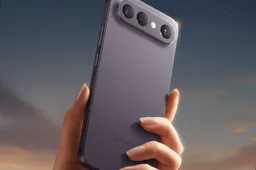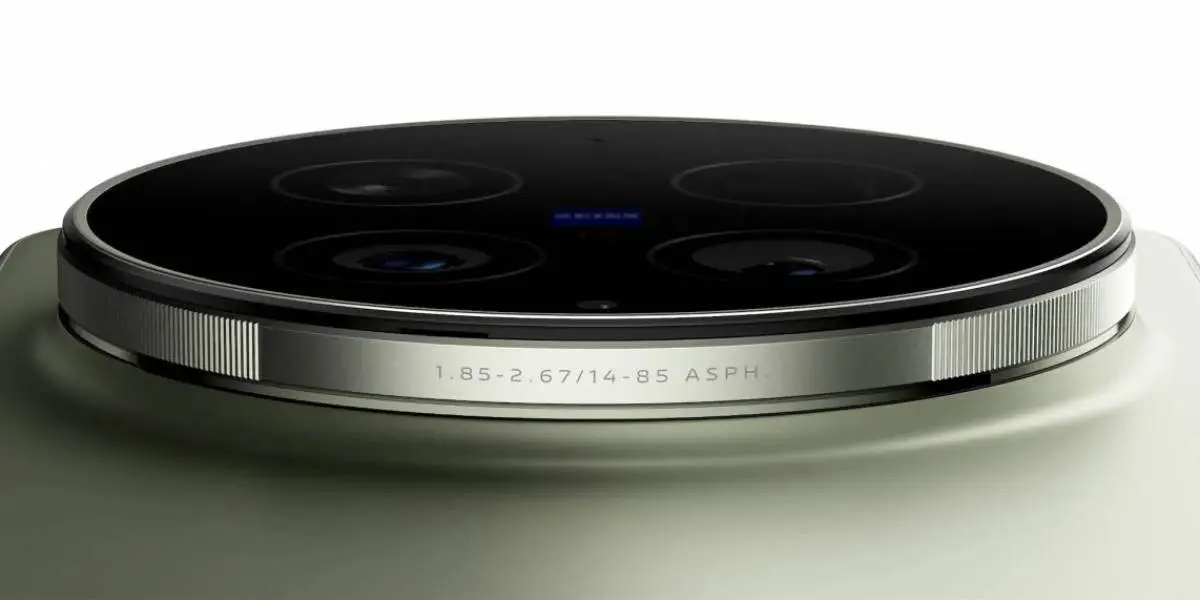
Mobile photography is currently entering a phase that feels more like a hardware arms race than a race for better selfies. We have reached a point where the sensors in our pockets are starting to threaten the heavy, expensive gear that professionals lug around in giant backpacks. The latest move from vivo, specifically with the X300 Ultra, is a direct challenge to the traditional camera industry. By pairing a 200-megapixel monster with a specialized Zeiss teleconverter, they aren't just making a phone that zooms; they are building a tool for people who actually care about the texture of a bird’s wing from fifty yards away.
Summary
- The vivo X300 Ultra features a 200MP large-sensor periscope telephoto lens.
- Includes a 400mm Zeiss Teleconverter G2 Ultra for extreme focal reach.
- Integrated 3° OIS provides advanced stability for high-magnification shots.
- Software is driven by the self-developed Blueprint high-refresh tracking engine.
- Designed for niche uses like bird watching, concerts, and scientific research.
Glass that actually matters
The core of this system is the 200-megapixel periscope lens. I'll be the first to admit that megapixel counts can be a distraction, but at these focal lengths, they serve a very specific purpose: "super resolution." When you are trying to capture a bird or a performer on a distant stage, you need every bit of raw data you can get so you can crop in without looking at a pile of digital mush. The X300 Ultra handles this by ensuring that the fine textures stay sharp. It is impressive to see this level of clarity in a device that doesn't require a tripod just to stay upright.

But the real wildcard is the Zeiss Teleconverter G2 Ultra. This pushes the equivalent focal length to 400mm. That is a serious distance. To keep that image from bouncing around like a rubber ball, vivo included a 3° Optical Image Stabilization system. Most standard phones offer much less, which usually makes high-zoom shots look like a shaky mess. Here, the stability is locked down. It gives you a "stable focus" that feels almost mechanical, allowing the camera to track fast-moving subjects without losing the sharp edges.

The software brain
Hardware is only half the battle. The other half is handled by the Blueprint engine. This is vivo’s own software solution designed specifically for high-refresh tracking. If you have ever tried to photograph a bird in flight, you know it is a nightmare of missed focus and blurry backgrounds. This engine is meant to solve that by predicting movement and sticking to the subject like glue. It is essentially an "illustration-grade" output that handles the lighting and background blur automatically, making the subject pop in a way that looks natural rather than over-processed.

It is a specialized tool, certainly. Most people don't need a 400mm lens to take a photo of their cat. However, for nature bloggers, researchers, or anyone tired of carrying five pounds of glass on a hike, this is a massive leap forward. It bridges the gap between professional-grade optics and the convenience of a smartphone. We are finally seeing a future where "pro" photography doesn't have to mean "heavy" photography.
Popular News


Latest News
Loading