Xiaomi has earned millions of loyal fans by offering powerful phones at prices few rivals can match. But even its biggest supporters admit that living with a Xiaomi device can sometimes feel like a test of patience. Between system ads, confusing product names, and preloaded apps that never seem to go away, the company has developed a set of habits that frustrate users just as much as they fascinate them.

1. Ads Hiding Inside HyperOS
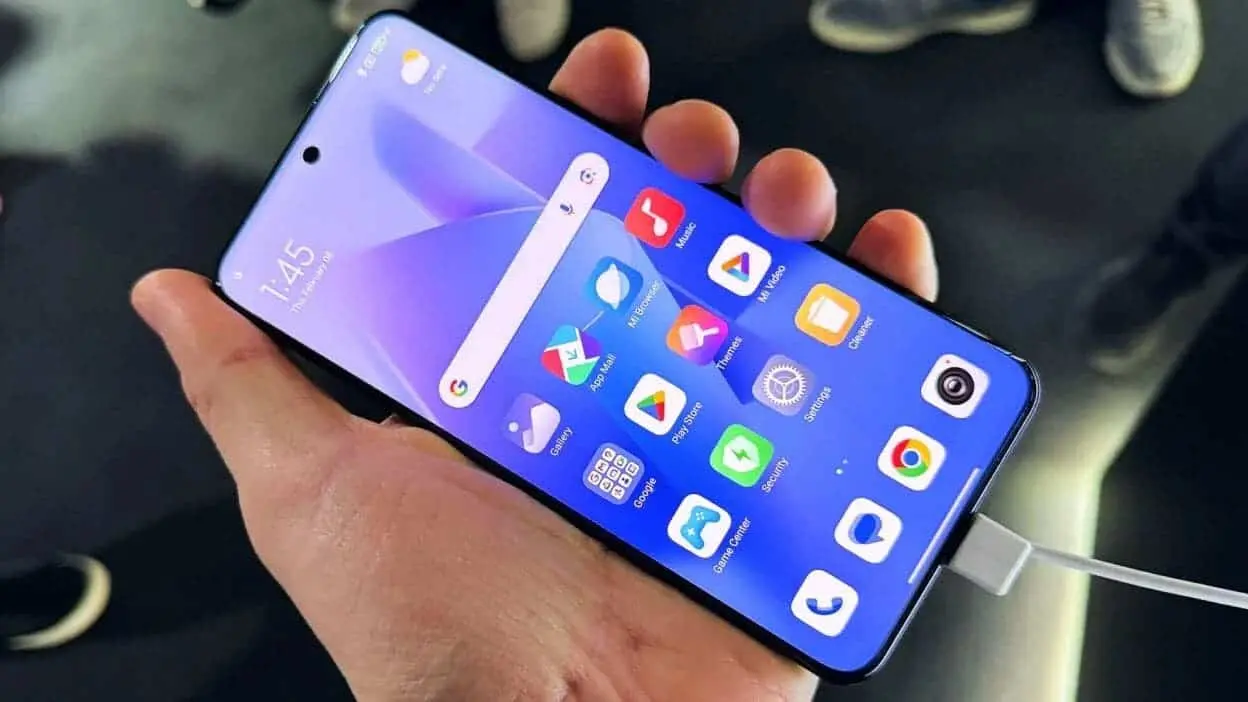
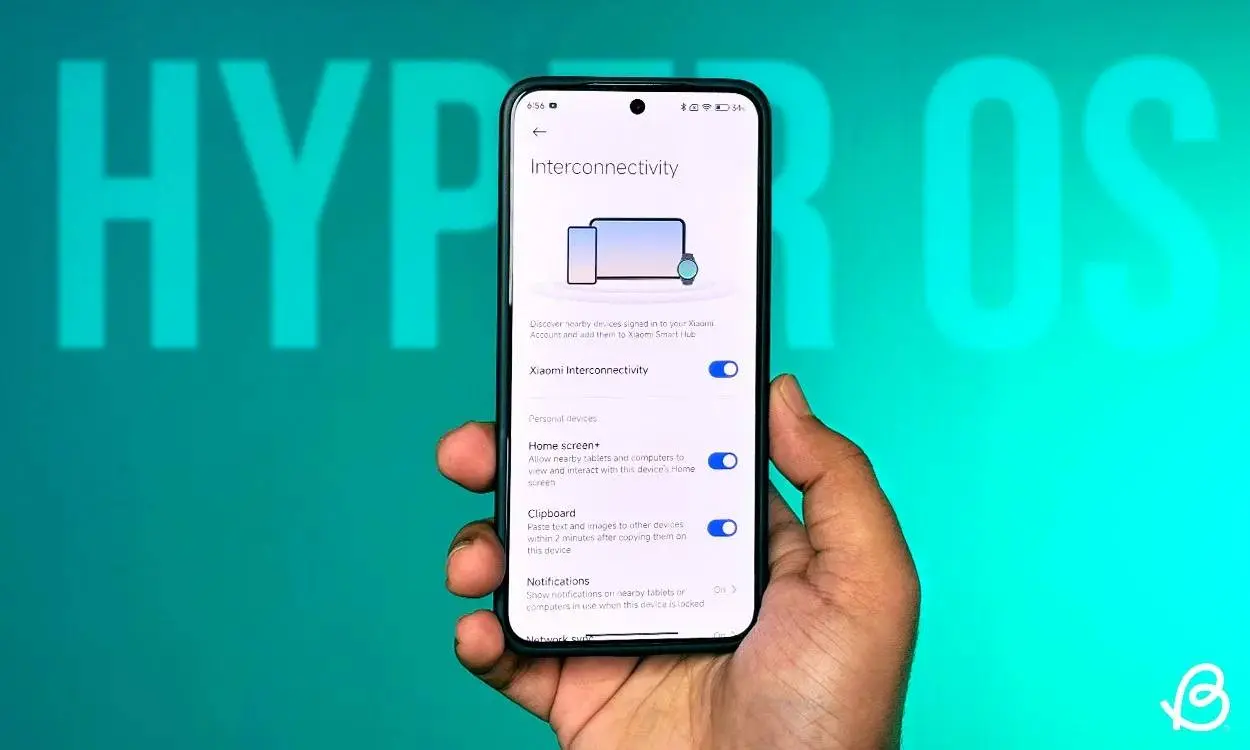
Few things break immersion like seeing an ad pop up in a system menu. Xiaomi’s HyperOS still shows promotional banners in apps like File Manager, Themes, and even Settings.

It’s easy to understand why. These ads help Xiaomi keep its phones cheap. Yet for users, they create the sense that the phone isn’t entirely theirs. Turning them off is possible — but the setting is buried several menus deep. It’s a reminder that sometimes “affordable” comes with a quiet trade-off.
2. The Bloatware That Keeps Coming Back
Buying a new Xiaomi phone should feel exciting, but many owners are greeted by a cluttered home screen full of sponsored apps, random games, and “suggested” tools. Removing them helps only for a while — some quietly reinstall after software updates.

Xiaomi argues that these deals lower costs. Still, users see them as an invasion. The community has responded in typical fashion: with tools to debloat HyperOS safely and reclaim control of their phones. It’s a sign of just how resilient Xiaomi’s fanbase really is.
3. Model Names That Make No Sense
Ask any reviewer to explain the difference between the Redmi Note 15 Pro+, Xiaomi 15T, and POCO F6 Pro, and you’ll likely get a sigh first. Xiaomi’s naming strategy looks more like a puzzle than a product map.

This confusion isn’t accidental. It lets Xiaomi sell nearly identical devices under different names across markets. A Redmi K70 in China might reappear globally as a POCO F6 Pro. For everyday users, though, it just feels messy. Even Xiaomi store staff sometimes struggle to keep up.
4. Flash Sales and the Illusion of Scarcity
When Xiaomi first expanded into global markets, it used “flash sales” — limited-stock events that made each phone launch feel exclusive. In the beginning, it worked. But in regions like Europe, the strategy soon backfired.
A now-infamous £1 sale in the UK left customers furious after realizing that only ten units were actually available. What once looked like smart marketing now feels like manipulation. These days, Xiaomi relies less on the trick, but the memory lingers.
5. The Leica Collaboration Debate
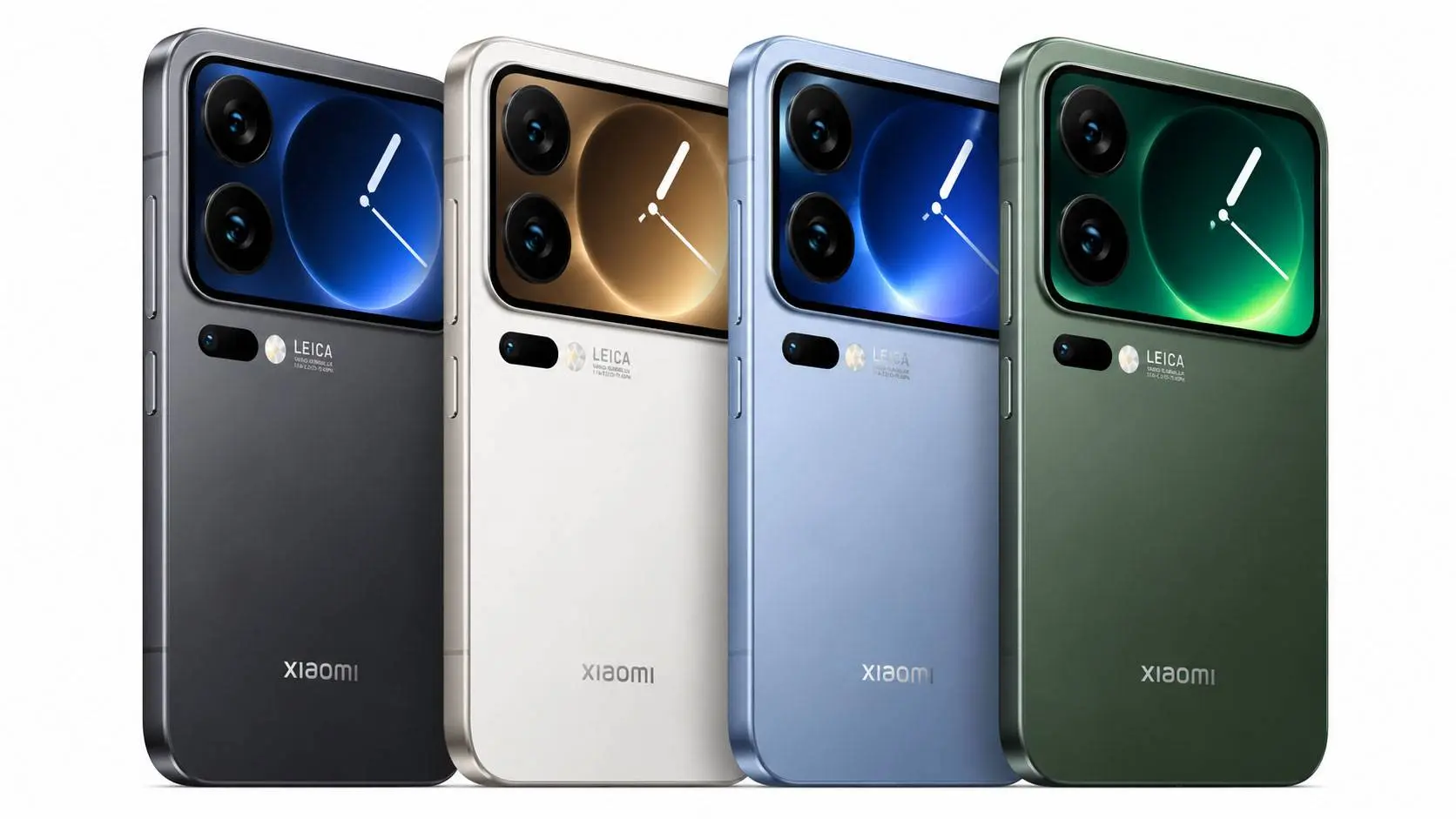
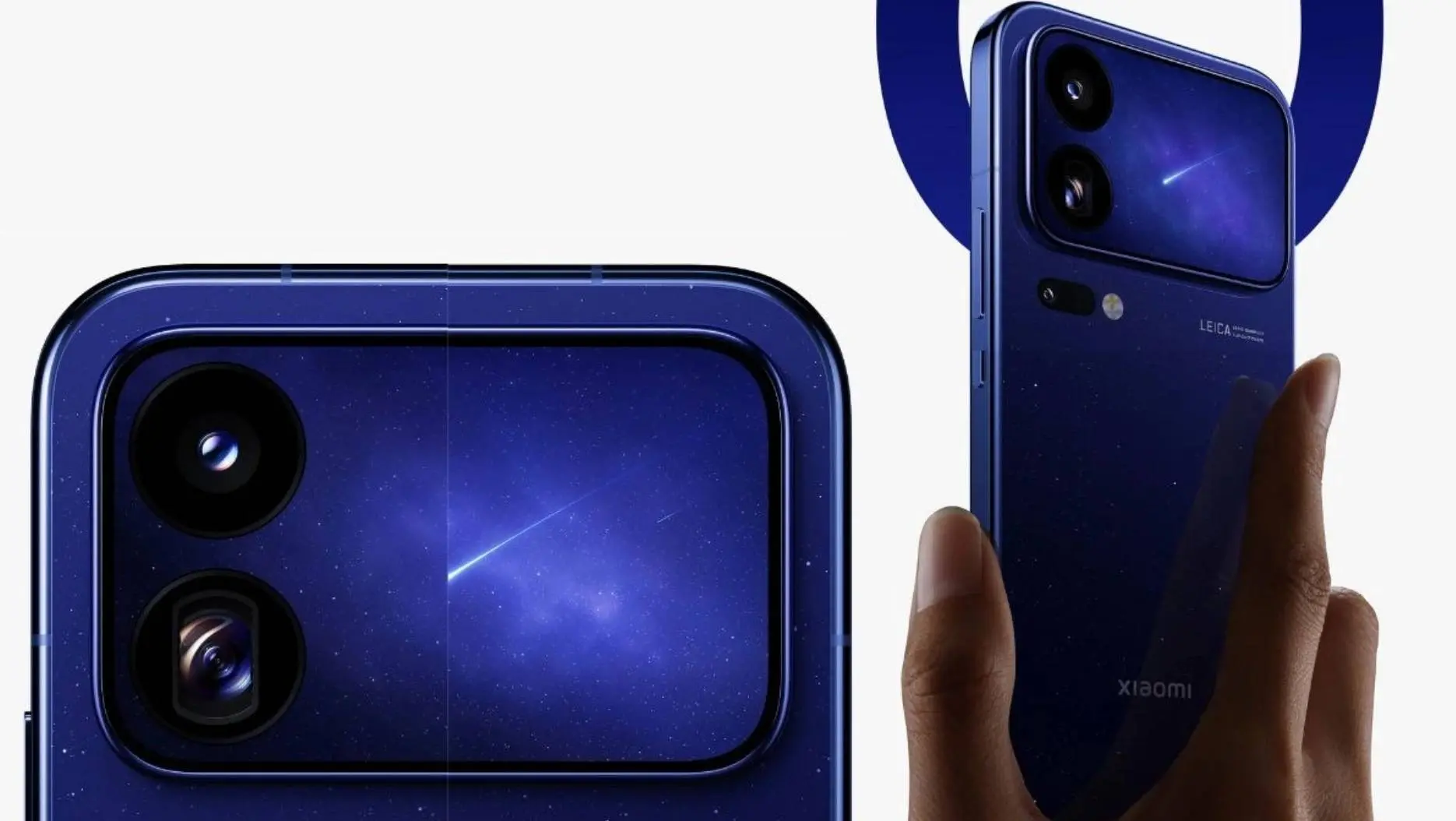
Teaming up with Leica added a touch of prestige to Xiaomi’s flagship cameras. Photos from devices like the Xiaomi 15 Ultra often look striking — richer tones, sharper contrast, more cinematic color.

Yet skeptics wonder how much of that is Leica’s magic and how much is marketing polish. The irony is hard to ignore: Leica’s own LUX camera app is exclusive to iPhone. Still, for Xiaomi, the partnership signals ambition — proof that it no longer wants to compete only on price.
Final Thoughts
Xiaomi’s story is one of balance. Its phones remain some of the best bargains in tech, but that affordability comes with quirks that can test even patient users. The brand’s next challenge isn’t building faster chips or brighter screens — it’s proving that value doesn’t have to mean compromise.
Key Takeaways:
- Xiaomi’s ad-supported HyperOS helps lower costs but hurts experience.
- Persistent bloatware continues to frustrate users worldwide.
- Confusing model names blur Xiaomi’s global identity.
- Flash sales once drove hype but now damage trust.
- The Leica alliance adds class, though its real impact is debated.
Popular News

Latest News
Loading